
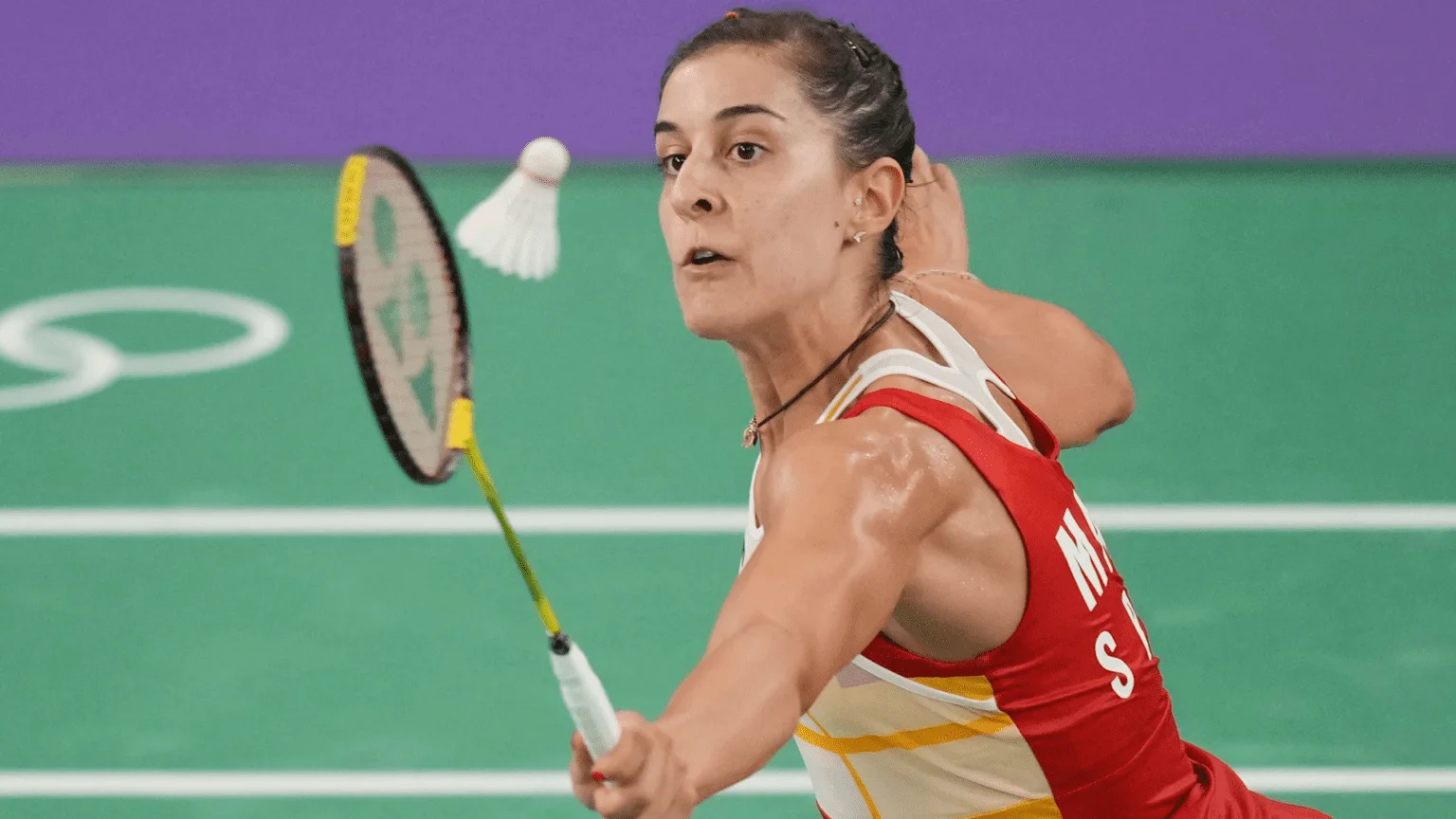
One of the most common questions asked by badminton players at every level is how to smash harder. Whether you are a beginner trying to add some punch to your shots or an intermediate player looking to dominate from the rearcourt, generating more power in your badminton smash comes down to a handful of fundamentals that most players overlook. The good news is that you do not need to be physically stronger to smash harder. You need better technique. Here are three simple, practical adjustments that will increase your badminton smash power and accuracy starting from your very next session.
Why Most Players Struggle to Generate Smash Power
The majority of players who struggle with smash power are not lacking strength - they are lacking efficiency. A badminton smash generates maximum force when your body mechanics work together in the right sequence: footwork first, then body positioning, then arm swing, then racket contact. When any one of these elements breaks down, the entire chain loses its effectiveness and the shuttle arrives at the other side of the net with far less pace than it should. The three tips below address the three most common breakdown points in that chain.
Tip 1 - Start with Your Feet: Get Behind the Shuttle
The single most important factor in generating a powerful badminton smash is your positioning before you even swing the racket. If you are not in the right position behind the shuttle, nothing else in your technique can compensate for it. Getting behind the shuttle allows you to transfer your full bodyweight into the shot - and bodyweight is the biggest source of power available to you.
The ideal contact position for a smash is one where the shuttle lands slightly ahead of your non-racket leg but in line with your racket shoulder. This allows your arm to swing forward through the shot with full extension, rather than reaching awkwardly or swinging across your body. When you are positioned correctly, your body's natural rotation and weight transfer do most of the heavy lifting for you.
Footwork Drill: Test Your Speed to the Rearcourt
Stand on the front service line. Ask a training partner to lift the shuttle toward the back baseline. Your goal is to move to the correct smash position and arrive before the shuttle does - without hitting it. If the shuttle is consistently landing too far ahead of you or too far behind you, your rearcourt movement speed needs work. Repeat this drill until arriving in the correct position behind the shuttle feels automatic. Fast, precise footwork to the rearcourt is the foundation that every powerful smash is built on.
Tip 2 - Relax Your Grip to Unlock More Racket Speed
Gripping your racket too tightly is one of the most widespread and damaging technical habits in recreational badminton. Players instinctively tighten their grip when they want to hit harder, but this is the opposite of what actually generates power. A tight grip creates tension throughout your forearm, wrist, and shoulder - and tension slows the racket down. A slower racket means a slower shuttle, regardless of how hard you are trying.
The key is to hold the racket firmly enough that it does not slip from your hand, but loosely enough that your fingers, wrist, and forearm remain relaxed during the swing. The moment of grip tightening should come only at the point of contact with the shuttle - a sharp, brief increase in grip pressure right as the strings meet the shuttle. This is what creates the whip-like acceleration that produces a genuinely fast smash. Beyond reducing power loss, a relaxed grip also significantly lowers your risk of developing overuse injuries such as tennis elbow.
Grip Drill: Practise the Loose-to-Tight Transition
Go onto the court and hit a series of overhead shots with a deliberately relaxed grip throughout the entire swing. Notice how freely your racket moves. Then, on each subsequent shot, focus on adding a sharp grip tightening only at the moment of contact. Compare the sound and feel of the shuttle leaving the strings. Most players notice an immediate improvement in racket speed and shuttle pace once they learn to separate the relaxed swing phase from the contact phase.
Tip 3 - Fix Your Backswing: Eliminate the Corkscrew Action
Racket technology in modern badminton has advanced to the point where players no longer need a long, wide backswing to generate power. In fact, a long backswing borrowed from tennis-style technique is actively harmful to smash power and accuracy in badminton because it takes too long to execute, giving opponents more time to read the shot, and it introduces sideways rotation that redirects the racket away from the shuttle's intended path.
The most common backswing mistake is what coaches call the corkscrew action - where the racket is swept around the body using a broad shoulder turn rather than being driven straight back and then forward through the shuttle. When you use a corkscrew backswing, your racket is angled incorrectly at the start of the downswing, which causes you to hit across the shuttle rather than cleanly through it. The result is a smash that is both less powerful and less accurate.
The correct technique is to prepare the racket so it is pointing directly toward the intended contact point, and then drive the arm and racket through the shuttle in a straight, efficient path. The shoulder turn still occurs, but it should generate momentum that feeds into a direct forward swing - not a looping, sideways motion.
Backswing Drill: Use Your Non-Racket Hand as a Feedback Tool
From your ready position, place your non-racket hand lightly on your racket-side shoulder. Begin preparing for an overhead shot and pay attention to the direction in which your arm and shoulder are moving. If your racket is being swept wide and around your body, you will feel the corkscrew motion clearly through your hand on your shoulder. Focus on keeping the racket moving in a straight line back and then forward through the shuttle. Repeat this with slow, deliberate practice swings until the correct movement pattern becomes natural.
How These Three Tips Work Together
Each of these three tips addresses a different stage of the smash sequence, and their effects are cumulative. Better footwork puts you in the position where weight transfer is possible. A relaxed grip allows your racket to accelerate freely through that weight transfer. A clean, direct backswing ensures that all of the energy generated by your footwork and grip technique is channelled directly into the shuttle rather than being lost to inefficient rotation. Fix all three and the improvement in your smash power will be immediately noticeable.
Common Badminton Smash Mistakes to Avoid
Always being late to the rearcourt is the most common cause of a weak smash. If you are consistently arriving at the shuttle at the same time as it reaches contact height rather than before it, your footwork speed and reading of the shuttle's flight need work.
Swinging harder is not the same as swinging faster. Many players tense their entire body in an effort to hit harder, which actually slows the racket down. Relaxation throughout the swing, with a sharp grip tightening only at contact, produces far more racket speed than brute effort.
Practising smashes without a target trains power without accuracy. Always smash toward a specific zone of the court - a cone, a piece of tape, or a marked area - so that your power development is matched by directional control.
Frequently Asked Questions About Badminton Smash Power
How can I smash harder in badminton without being physically stronger?
Smash power in badminton comes primarily from technique rather than physical strength. The three biggest improvements you can make are getting into the correct position behind the shuttle before swinging, keeping your grip relaxed throughout the swing and tightening only at contact, and using a direct backswing rather than a wide corkscrew motion. All three changes improve the efficiency of your swing without requiring any increase in strength.
Why does my badminton smash lack power even when I swing hard?
Swinging hard and generating power are not the same thing. If you are arriving at the shuttle late, gripping too tightly, or using a corkscrew backswing, your effort is being lost to poor mechanics rather than transferred into the shuttle. Focus on footwork positioning and a relaxed swing before worrying about swing effort.
How often should I practise smash drills to see improvement?
Practising smash technique two to three times per week with deliberate focus on the specific areas you are working to correct will produce noticeable improvement within three to four weeks. Pure repetition without technical focus tends to reinforce existing habits rather than improve them, so always practise with a clear intention for each session.
Does grip size affect badminton smash power?
Yes. A grip that is too thick makes it harder to generate the wrist snap needed for maximum racket head speed. A grip that is too thin can cause over-gripping as your hand compensates for the lack of security. Finding the correct grip size for your hand and maintaining it with fresh overgrip tape ensures you can execute the loose-to-tight contact technique effectively.
Should I use a stiff or flexible shaft badminton racket for smashing?
For players with fast swing speeds who want maximum smash power, a stiff shaft racket transfers energy more directly from the swing into the shuttle. Flexible shaft rackets store and release energy during the swing, which can benefit players with slower swing speeds but may reduce the directional precision of the smash for advanced players. If you are unsure which suits your game, visit Rackonnect to explore our racket range and get guidance on choosing the right equipment for your style of play.
Increasing your badminton smash power does not require months of strength training or expensive equipment. It requires better mechanics - specifically, faster footwork to the correct position, a relaxed grip that allows your racket to accelerate freely, and a clean, direct backswing that puts all of that energy straight into the shuttle. Work on these three areas consistently and your smash will become one of the most effective weapons in your game.