
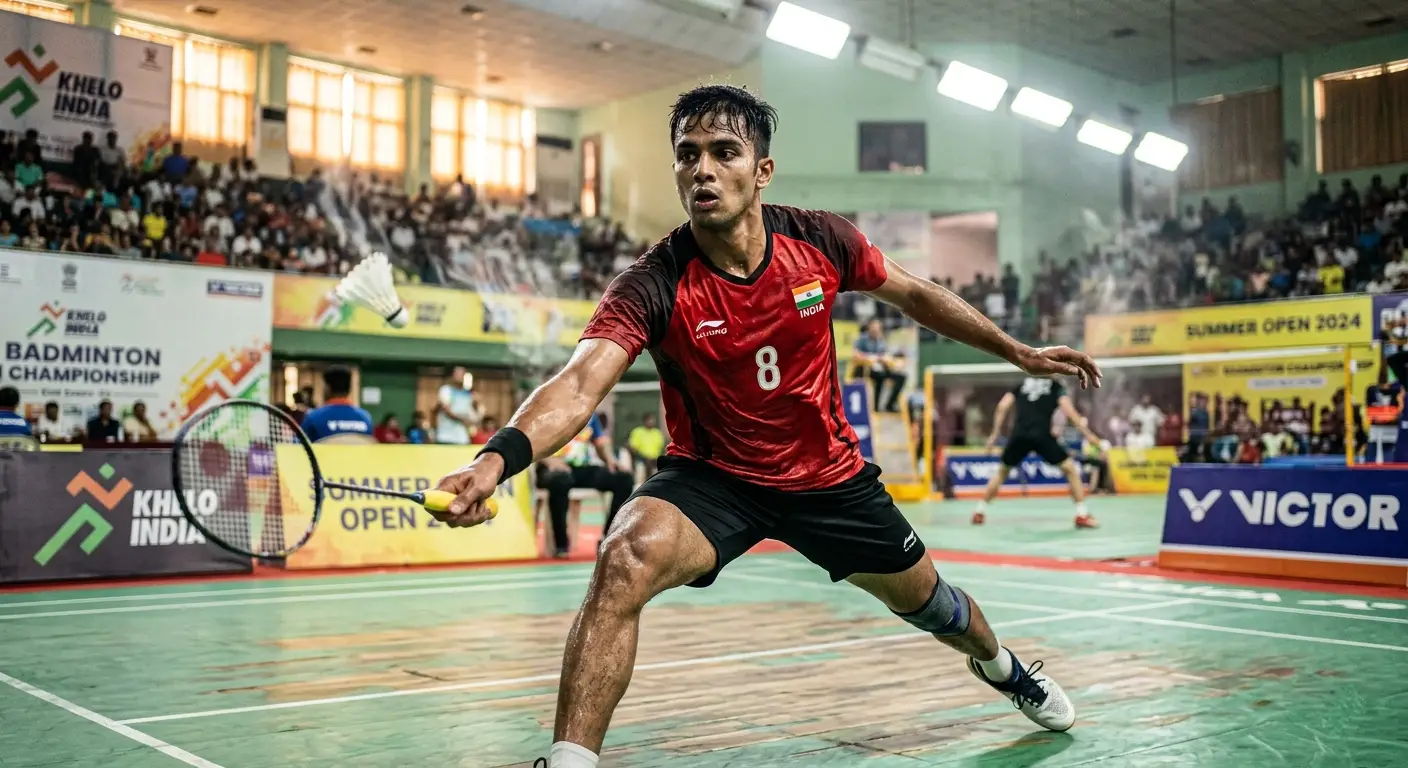
As temperatures rise across India, many athletes experience a noticeable drop in performance. While physical fatigue is often blamed, the real challenge lies in maintaining mental sharpness. Reduced focus, slower reaction time, and decision-making errors are common during summer sports sessions.
This phenomenon, often called the “summer slump,” affects players across all levels. The good news is that with the right mental drills and brain training exercises, you can stay focused, improve cognitive function, and maintain peak performance even in extreme heat.
Why Athletes Struggle to Stay Focused in Summer
High temperatures increase fatigue, leading to reduced concentration and mental clarity. Dehydration further impacts brain function, making it harder to process information quickly during matches.
Common issues include:
Brain fog and lack of clarity
Delayed reaction time
Poor shot selection and decision-making
Loss of focus during long rallies
What is the Summer Slump in Sports?
The summer slump refers to a temporary decline in mental and physical performance caused by heat stress. Even experienced players struggle with maintaining focus, which directly affects gameplay, especially in fast-paced racket sports.
This is not just physical fatigue but a cognitive challenge where your brain struggles to stay sharp under pressure.
How Heat Affects Brain Function and Focus
Heat exposure impacts cognitive health by reducing blood flow efficiency and increasing fatigue levels. As a result:
Reaction time slows down
Focus and attention span decrease
Decision-making becomes inconsistent
Mental endurance drops during matches
Understanding this helps athletes focus not just on physical training but also on mental conditioning.
Mental Drills to Stay Focused During Summer Sports
Incorporating simple yet effective brain exercises into your routine can significantly improve focus and performance.
1. Visualization Training Before Matches
Spend 5 minutes visualizing match scenarios, shot placements, and movement patterns. This activates brain pathways and improves decision-making during real gameplay.
2. Focus Reset Breathing Technique
Between rallies, take 2–3 deep breaths to reset your focus. This reduces mental fatigue and helps maintain clarity throughout the game.
3. Reaction Time Drills
Practice quick-response drills such as shuttle tracking or rapid exchanges. These cognitive exercises improve reflex speed and coordination.
4. Memory-Based Practice
Recall opponent patterns, shot sequences, and court positioning. This strengthens memory and enhances strategic thinking.
5. Point-to-Point Reset Routine
After every point, mentally reset. Avoid carrying mistakes forward, and focus only on the next rally.
Daily Brain Exercises for Athletes
Just like physical warm-ups, mental preparation is equally important. Include these quick routines daily:
5-minute visualization practice
Hand-eye coordination drills
Short focus exercises
Reaction-based games
These brain training exercises help improve memory, focus, and overall cognitive performance.
Signs You Are Experiencing Summer Brain Fog
Recognizing early signs helps you take corrective action:
Difficulty concentrating
Slow reactions during play
Frequent mistakes
Mental fatigue even after short sessions
How Racket Sports Improve Cognitive Function
Sports like badminton and pickleball are excellent for brain health. They improve:
Hand-eye coordination
Reaction speed
Strategic thinking
Mental endurance
Regular play naturally enhances cognitive fitness and keeps the brain active.
Pre-Match Mental Routine for Summer Games
Preparing your mind before a game is crucial in hot conditions:
Hydrate properly
Do short breathing exercises
Visualize key plays
Set simple performance goals
Foods That Improve Brain Function in Summer
Nutrition plays a key role in maintaining mental sharpness. Include:
Water-rich fruits like watermelon and oranges
Nuts and seeds for sustained energy
Electrolyte-rich drinks
Leafy greens for brain health
These foods support memory, focus, and cognitive performance.
How to Stay Mentally Consistent During Long Matches
Consistency is key in competitive sports. Use these strategies:
Break matches into small segments
Focus on one point at a time
Use mental checkpoints
Stay present and avoid distractions
Train Your Mind by Playing Regularly
The best way to improve mental performance is consistent gameplay. Regular matches help build focus, resilience, and decision-making ability.
Explore and book courts near you:
Playing regularly not only improves your physical game but also strengthens your mental focus under pressure.
Frequently Asked Questions
How can I improve focus during sports in summer?
Use mental drills like visualization, breathing exercises, and reaction training to maintain focus during high temperatures.
What causes brain fog during sports?
Heat, dehydration, and fatigue reduce cognitive function, leading to slower thinking and reduced concentration.
What are the best brain exercises for athletes?
Visualization, memory recall, reaction drills, and focus breathing are highly effective for improving performance.
How can I improve reaction time in sports?
Practice quick-response drills, hand-eye coordination exercises, and play regular matches to enhance reflexes.
What foods help improve brain function?
Water-rich fruits, nuts, leafy greens, and electrolyte drinks support memory, focus, and overall brain health.