
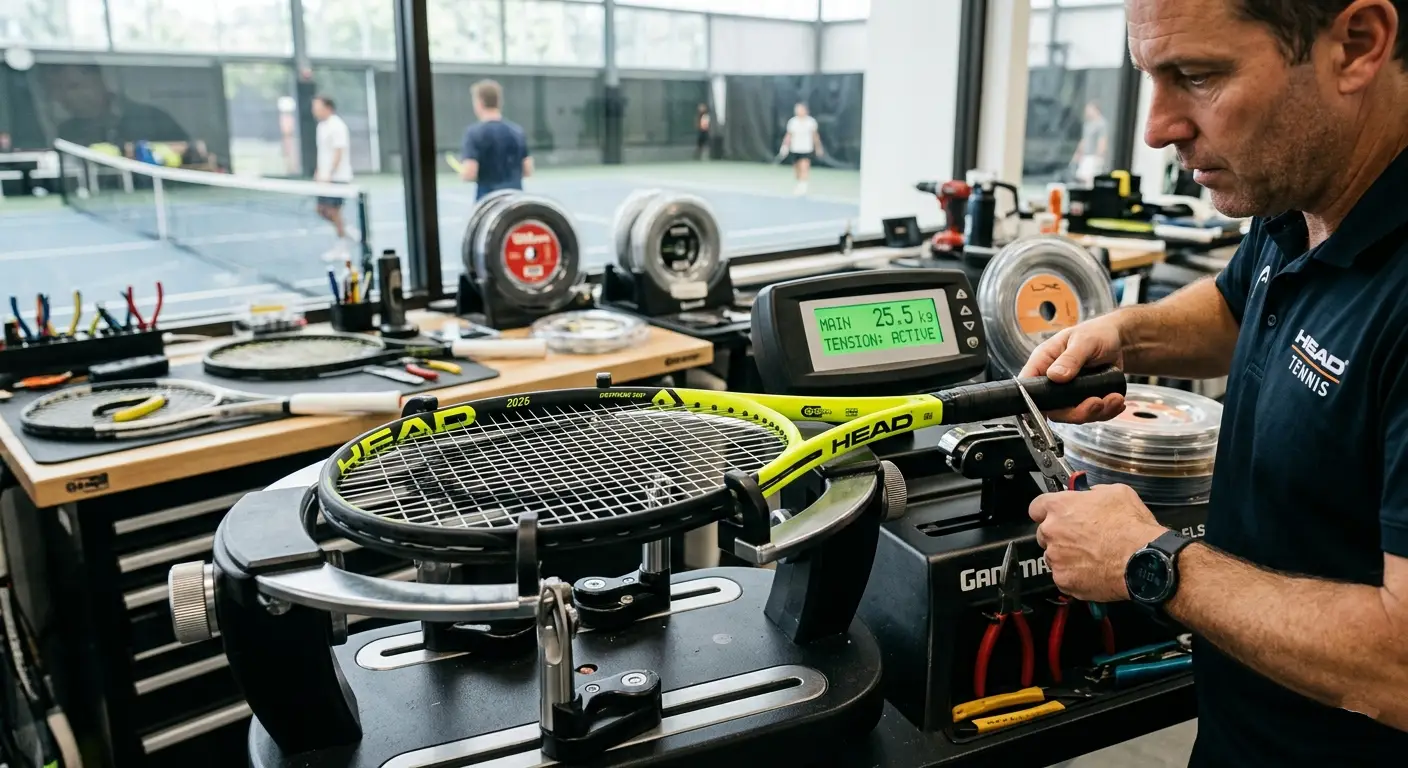
Choosing the right tennis string tension is one of the most overlooked yet powerful ways to improve your performance on the court. Whether you are a beginner or an advanced player, the tension of your tennis racquet directly affects power, control, spin, and comfort.
With the growing popularity of tennis equipment customization in 2026, understanding how tennis strings and tension work together can give you a serious competitive edge.
What is Tennis String Tension?
Tennis string tension refers to how tightly the strings are pulled when strung on a racquet. It is usually measured in pounds (lbs) or kilograms (kg).
Most tennis racquets come with a recommended tension range, typically between 45–65 lbs. Choosing the right tension within this range depends on your playing style, skill level, and preferences.
Why Tennis String Tension Matters
Your string tension directly impacts how your racquet performs during play:
Lower tension: More power, larger sweet spot
Higher tension: More control, better precision
This balance between power and control is what makes string tension one of the most important aspects of tennis gear.
Low vs High String Tension: What’s the Difference?
Low Tension (45–52 lbs)
More power with less effort
Larger sweet spot
Better comfort and reduced arm strain
Ideal for beginners and intermediate players
High Tension (55–65 lbs)
Greater control and accuracy
Less trampoline effect
Better for aggressive and advanced players
How to Choose the Right Tennis String Tension
1. Based on Skill Level
Beginners: Lower tension for power and forgiveness
Intermediate: Medium tension for balanced play
Advanced: Higher tension for control and precision
2. Based on Playing Style
Power players: Lower tension helps generate speed
Control players: Higher tension improves accuracy
Spin players: Medium tension with polyester strings works best
3. Based on Racquet Type
Different tennis racquets respond differently to tension. A powerful racquet may require higher tension, while a control racquet may benefit from lower tension.
Best Tennis Strings and Their Impact on Tension
The type of tennis strings you choose also plays a crucial role:
Natural Gut Strings
Excellent power and comfort
Maintains tension well
Premium option for advanced players
Polyester Strings
Great for spin and durability
Loses tension faster
Preferred by aggressive players
Multifilament Strings
Soft and arm-friendly
Balanced performance
Ideal for comfort-focused players
Synthetic Gut Strings
Affordable and versatile
Good for beginners
Best String Tension for Different Goals
For Power: 45–50 lbs
For Control: 55–65 lbs
For Spin: 50–55 lbs with polyester strings
For Comfort: Lower tension with soft strings
What is Hybrid Stringing in Tennis?
Hybrid tennis strings combine two different types of strings to balance performance. For example, pairing polyester with multifilament gives both durability and comfort.
This setup is becoming increasingly popular among modern players in 2026.
How Often Should You Restring Your Tennis Racquet?
A general rule is to restring your racquet as many times per year as you play per week. For example:
Playing twice a week → restring at least twice a year
Frequent players may require more regular stringing to maintain optimal tension and performance.
Signs You Need to Change Your Tennis Strings
Loss of control
Reduced power
Strings feel loose
Visible wear or breakage
Where to Get Tennis Racquet Stringing Near You
Professional stringing ensures correct tension and performance. If you are searching for tennis stringing near you, always choose reliable sports facilities or certified stringers.
You can also explore nearby sports venues and courts for better training and gameplay experience:
Common Mistakes When Choosing String Tension
Using the same tension as professional players
Ignoring racquet recommendations
Not adjusting tension based on string type
Keeping old strings for too long
How to Fine-Tune Your Setup Over Time
Finding the perfect string tension is a process. Start within the recommended range and adjust gradually based on performance feedback.
Even a 2–3 lbs change can significantly impact your game.
Choosing the Right Tennis Setup in 2026
Modern tennis is all about customization. Players are now combining different strings, experimenting with tensions, and optimizing their setup for performance.
Understanding tennis string tension is no longer optional, it is essential for improving your game.
Frequently Asked Questions
What is the best tennis string tension for beginners?
Beginners should use lower tension between 45–52 lbs for more power and comfort.
Does higher string tension give more control?
Yes, higher tension provides better control but reduces power.
What tension do professional tennis players use?
Most professionals use tension between 50–60 lbs depending on their playing style.
How often should I restring my tennis racquet?
You should restring your racquet based on how frequently you play, typically matching sessions per week with restring frequency per year.
Which tennis strings are best for spin?
Polyester strings are best for spin due to their durability and ability to grip the ball.