Badminton at a competitive level is not won by powerful smashes alone. It is movement that creates opportunity. Advanced footwork patterns allow players to reach the shuttle early, maintain balance, and recover efficiently for the next shot. As rallies become faster and more tactical, superior court movement becomes the deciding factor.
Why Advanced Footwork Matters
At beginner level, players focus mainly on stroke technique. However, at intermediate and advanced levels, matches are decided by speed of movement and recovery.
Faster Recovery: Efficient movement brings you back to base position quickly.
Energy Conservation: Proper patterns reduce unnecessary steps and fatigue.
Improved Shot Quality: Reaching early means better balance and stronger execution.
Stronger Defense: Quick directional changes improve defensive stability.
Core Principles Behind Advanced Movement
1. Split Step Timing
The split step is a small hop performed just before the opponent strikes the shuttle. Landing at the exact moment of contact allows explosive movement in any direction.
2. Strong Base Position
After every shot, returning to a neutral base position near the center of the court ensures equal access to all corners.
3. Explosive First Step
The first step determines speed. Advanced players push off aggressively using the non-racket leg for maximum acceleration.
4. Body Alignment and Balance
Staying low with knees slightly bent keeps the center of gravity stable and prepares the body for sudden directional changes.
Advanced Footwork Patterns Explained
Six Point Shadow Movement
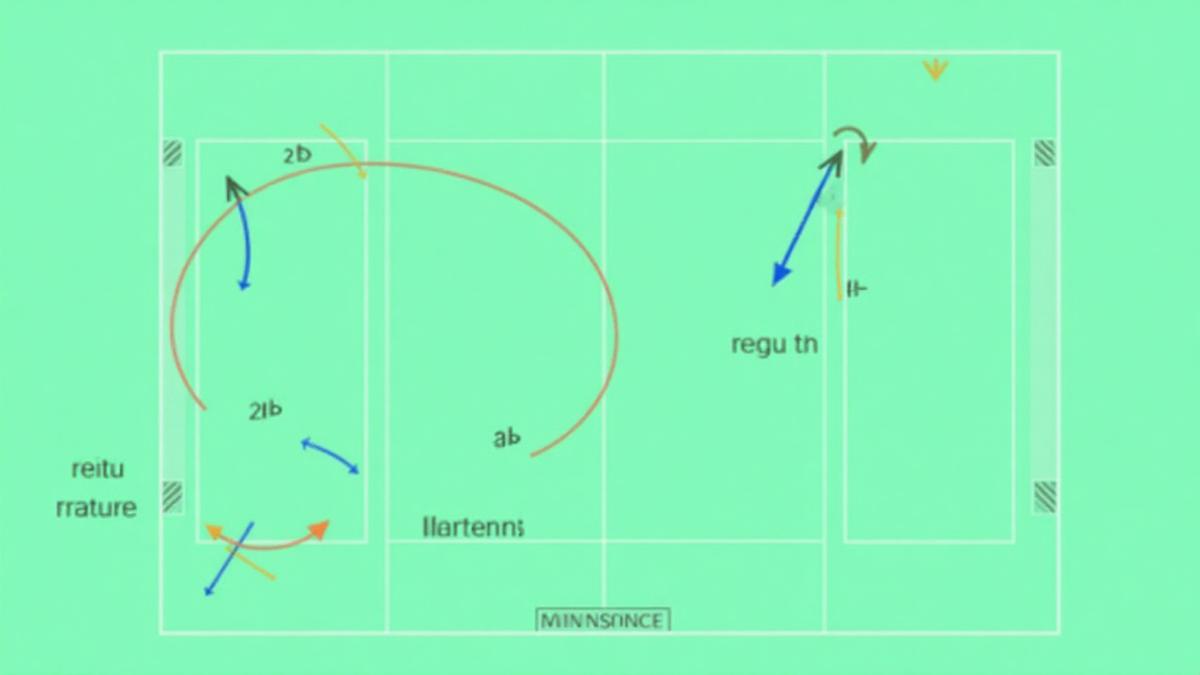
This drill covers all six corners of the court without a shuttle. The focus is rhythm, balance, and fast recovery. Players move from base to each corner and back repeatedly.
Scissor Kick Recovery
Used primarily in rear court overhead shots, this pattern allows players to rotate hips mid air and land in a way that pushes them back toward center position instantly.
Crossover Step Movement
Instead of multiple small steps, advanced players use crossover steps for long lateral movements. This saves time and increases reach efficiency.
China Jump Technique
This explosive jump is used in the rear backhand corner to generate power while recovering forward immediately after landing.
Reverse Pivot for Deep Backcourt
When retrieving deep clears, players pivot on the lead foot and rotate hips to maintain balance while preparing for an attacking reply.
Round the Head Transition
Rather than playing weak backhands, advanced players move quickly around the head to use a forehand stroke from the backhand corner.
Combining Patterns for Match Simulation
Footwork improves significantly when patterns are combined under pressure.
Randomized Feeding: Coach feeds shuttles unpredictably.
Multi Shuttle Drills: Rapid fire sequences improve speed and stamina.
Conditioned Rallies: Restricting shot types forces specific movement responses.
Conditioning for Elite Footwork
Plyometric Training
Box jumps, squat jumps, and lateral bounds increase explosive leg strength.
Agility Ladder Work
Quick ladder patterns improve coordination and reaction time.
Resistance Band Movement
Adding resistance during shadow drills builds stronger push off power.
On Court Endurance Sets
Extended shadow rounds of 60 to 90 seconds simulate real match fatigue conditions.
Common Mistakes in Advanced Footwork
Overstriding and losing balance
Recovering upright instead of staying low
Mistimed split step
Crossing feet incorrectly during lateral defense
Sample Weekly Practice Structure
Day 1: Shadow footwork and split step timing drills
Day 2: Multi shuttle rear court movement and scissor kick work
Day 3: Agility ladder and plyometric conditioning
Day 4: Randomized match simulation drills
Frequently Asked Questions
How long does it take to master advanced footwork?
With focused practice three to four times per week, noticeable improvement appears within six to eight weeks.
Can footwork training improve smash power?
Yes. Proper positioning and balance allow better weight transfer, increasing power output.
Is shadow practice enough?
Shadow drills build foundation, but combining them with live shuttle training produces match ready movement.
Advanced footwork patterns transform movement from reactive to proactive. Players who master these patterns control rallies, conserve energy, and create consistent attacking opportunities throughout long matches.