The backhand is often considered one of the most technically demanding skills in badminton. Many players avoid it by playing around-the-head shots, yet true competitive mastery requires a strong and reliable backhand.
Developing advanced backhand technique improves defensive stability, expands attacking options, and increases tactical flexibility. Whether training at a competitive badminton court in Delhi or refining skills at a professional badminton academy in Faridabad, structured backhand training is essential for long term performance growth.
This in depth guide explains grip mechanics, shot variations, footwork integration, conditioning methods, and high performance drills aligned with international coaching standards.
Understanding Backhand Fundamentals
Correct Backhand Grip
The foundation of backhand mastery begins with the correct thumb grip. The thumb should press flat against the wider bevel of the handle to generate leverage and control.
Relaxed grip pressure
Thumb placed behind handle for push power
Quick grip change from forehand to backhand
Wrist and Finger Power
Backhand strength comes primarily from finger tightening and forearm rotation rather than large arm swings. Elite players use short explosive wrist action to generate surprising power.
Body Rotation and Balance
Proper shoulder turn and weight transfer allow better shuttle contact. Staying balanced ensures faster recovery.
Types of Backhand Shots
Backhand Clear
The backhand clear sends the shuttle deep into the opponent’s rear court. It is crucial in singles defense.
Early shuttle contact
Compact swing
Full forearm pronation
A weak backhand clear often exposes defensive vulnerability.
Backhand Drop Shot
The backhand drop requires precise control and deception. Slight slicing action can create tighter angles.
Backhand Smash
Though less powerful than forehand smash, a well timed backhand smash can surprise opponents. It is most effective in doubles during fast exchanges.
Backhand Drive
The backhand drive is essential in flat rallies. It supports defensive transitions and counter attacks.
Backhand Net Shot
Soft finger control enables tight spinning net returns. Minimal backswing is required.
Footwork for Stronger Backhand Execution
Footwork determines whether the backhand is comfortable or rushed.
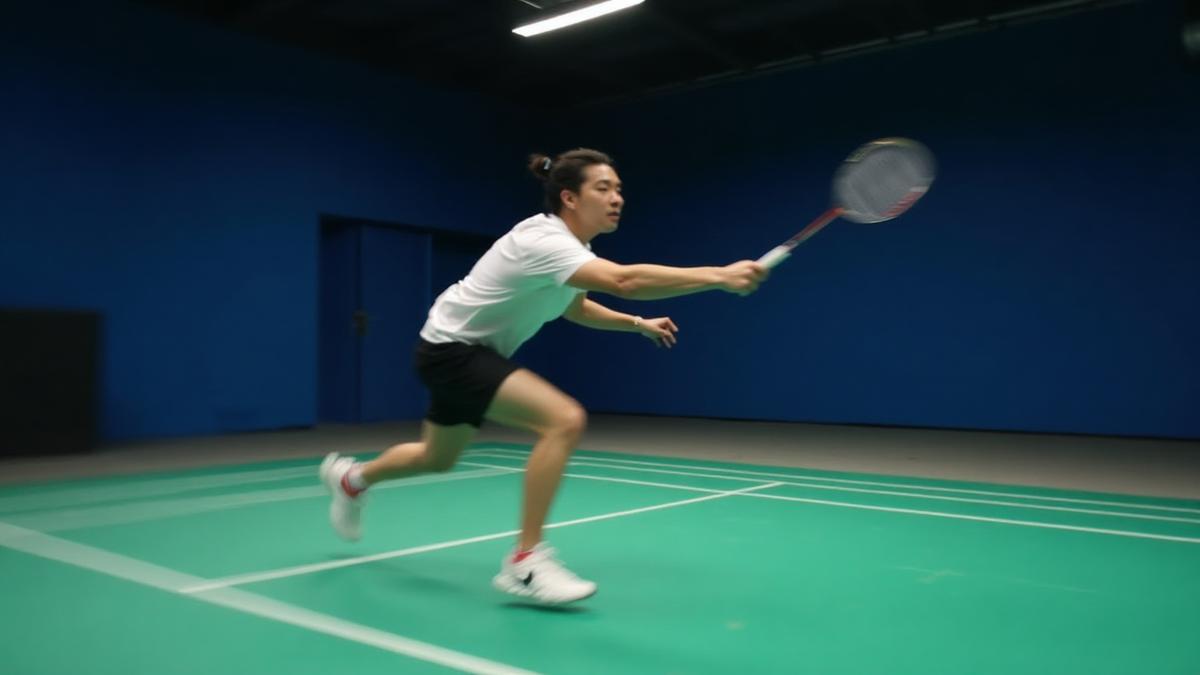
Quick chasse steps toward rear backhand corner
Scissor jump for recovery after clear
Side step adjustment in doubles defense
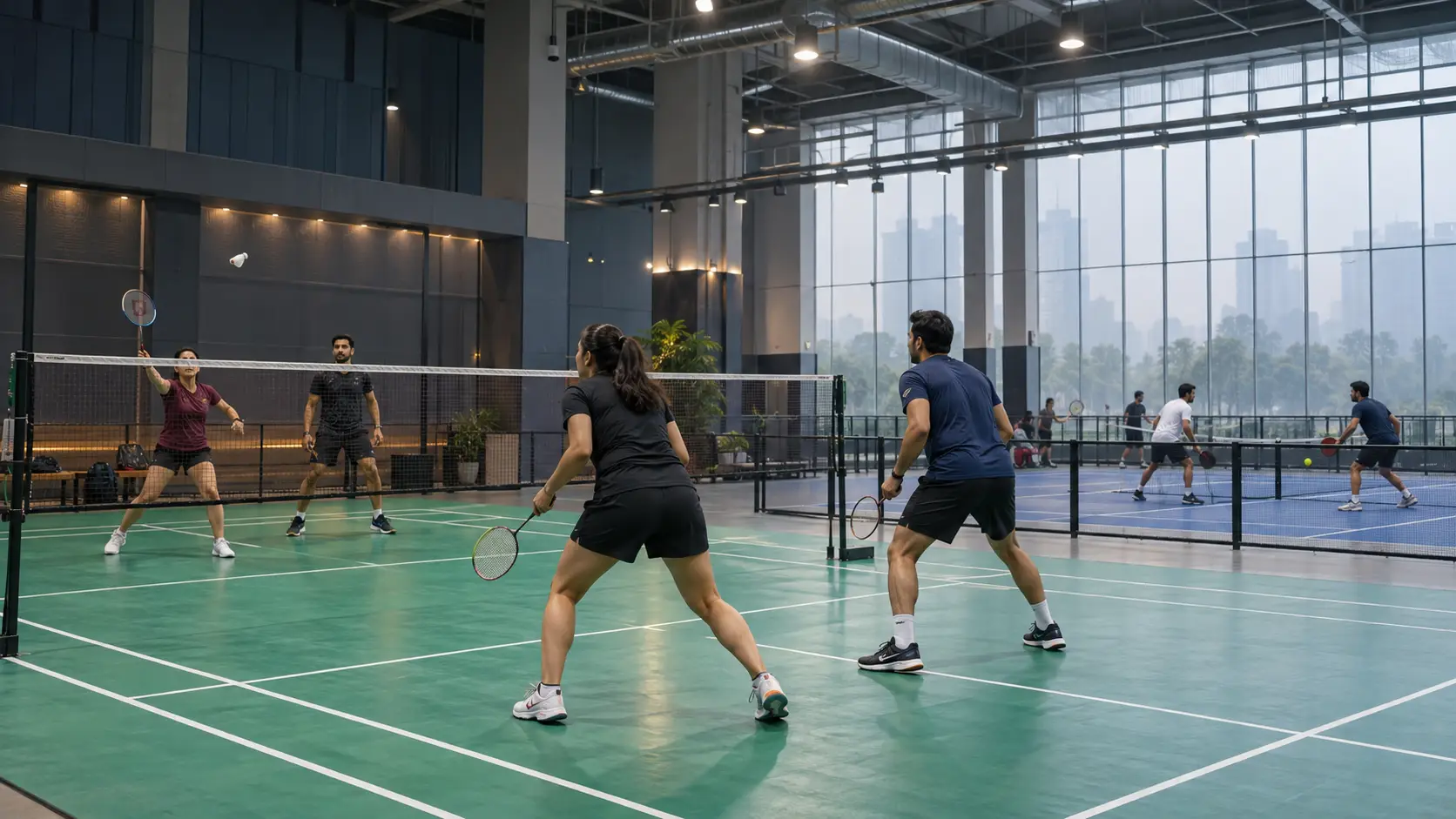
Indoor facilities like Noida Indoor Stadium provide stable playing conditions to refine footwork patterns without environmental interference.
Backhand Strategy in Singles vs Doubles
Singles
Backhand clears and drops are used to maintain rally depth and regain center base position.
Doubles
Fast backhand drives and quick blocks dominate. Speed and reaction time become critical.
Advanced Backhand Techniques
Reverse Slice Backhand
Creates deception by altering shuttle spin direction.
Around the Head vs True Backhand
Advanced players decide based on time and positioning. Overusing around-the-head may reduce recovery speed.
Deceptive Wrist Action
Late wrist snap can disguise shot direction effectively.
Strength and Conditioning for Backhand Power
Forearm resistance band exercises
Wrist curl variations
Core rotational training
Grip strengthening drills
Consistent conditioning improves shot penetration and control.
Training Drills to Master Backhand
Multi Shuttle Rear Court Drill
Coach feeds rapid shuttles to backhand corner to improve repetition and stamina.
Wall Rebound Drill
Enhances reflex speed and finger tightening response.
Backhand Only Rally
Players rally using only backhand strokes to build confidence.
Two Corner Pressure Drill
Forces quick transitions between forehand and backhand corners.
Common Backhand Mistakes
Incorrect thumb placement
Overusing full arm swing
Late shuttle contact
Poor body alignment
Early preparation and compact motion reduce these errors.
Frequently Asked Questions
How long does it take to develop a strong backhand
With structured practice, noticeable improvement can occur within several months, depending on consistency.
Is backhand naturally weaker than forehand
Biomechanically yes, but proper technique can significantly close the gap.
Should beginners learn backhand smash
Focus first on clears and control before progressing to smash variations.
How can backhand power increase quickly
Improve finger strength, forearm conditioning, and timing of shuttle contact.
Build Complete Court Confidence Through Backhand Mastery
Badminton backhand techniques mastery transforms defensive stability into offensive opportunity. Players who dedicate structured time to grip correction, wrist strengthening, footwork precision, and tactical awareness develop balanced all court performance.
A reliable backhand is not optional at competitive level. It is a defining factor in sustained match success.