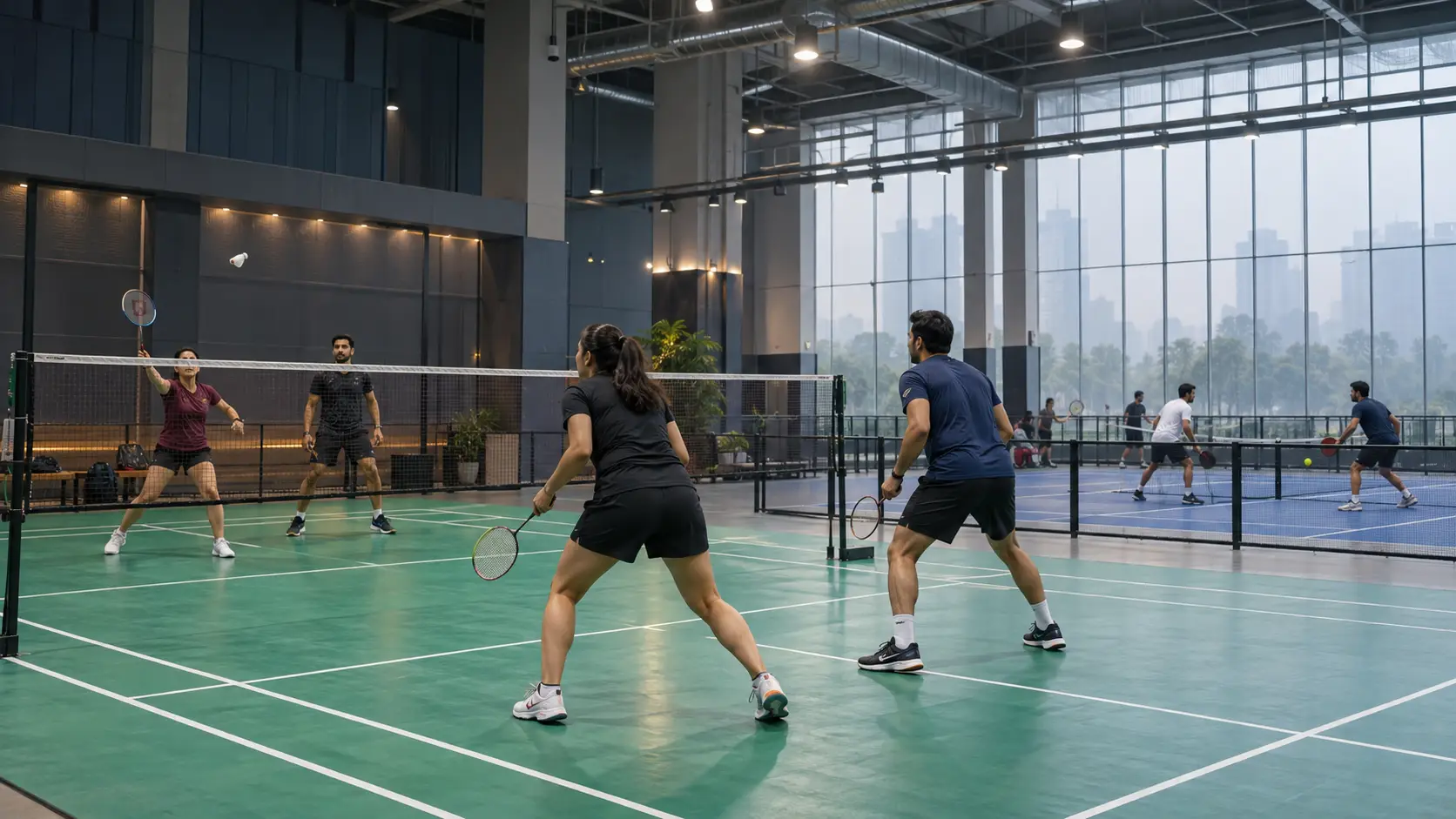

Badminton is one of the fastest-growing racquet sports worldwide, played casually in backyards, professionally in Olympic arenas, and socially in clubs and schools. The combination of speed, skill, and strategy makes badminton both exciting to watch and rewarding to play. Understanding the rules, play techniques, and benefits of badminton helps players of all levels improve their game and enjoy the sport to the fullest.
What is Badminton?
Badminton is a racquet sport where players hit a shuttlecock over a net, aiming to land it within the opponent’s court. Unlike tennis, the shuttlecock is lightweight and travels at extremely high speeds, requiring sharp reflexes, agility, and endurance. As a globally recognized badminton game, it is governed by the Badminton World Federation (BWF), which oversees rules, tournaments, and international rankings.
History of Badminton Sports
The roots of badminton sports trace back to the 16th century, where a game called battledore and shuttlecock was enjoyed in Europe. In the 19th century, British officers in India popularized the modern form, which later spread to England. By 1934, the BWF was established, and badminton became a major competitive sport. Its inclusion in the 1992 Olympic Games elevated badminton to global recognition, producing champions from countries like China, Indonesia, Denmark, and India.
Badminton Court and Equipment
Court Dimensions
Singles: 13.4 m long x 5.18 m wide
Doubles: 13.4 m long x 6.1 m wide
Net: 1.55 m at posts, 1.524 m at center
Equipment for Badminton Game
Rackets: Lightweight (70–100 g), available in head-light, head-heavy, or balanced designs
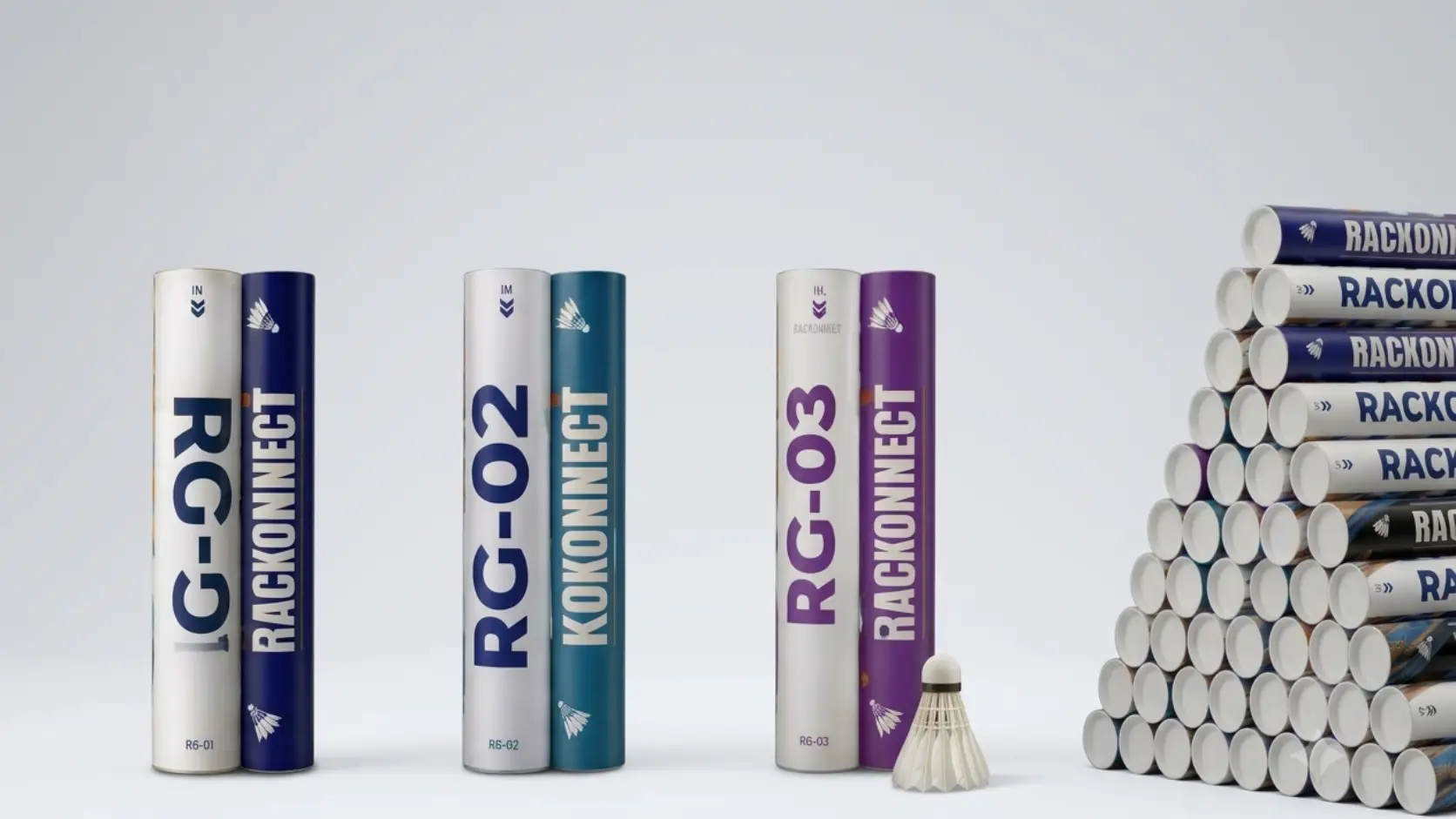
Shuttlecocks: Feather shuttles for tournaments, nylon for recreational play
Shoes: Non-marking soles with good grip and ankle support
Accessories: Grips, wristbands, socks, and badminton nets
Official Rules of Badminton
The rules of badminton sports are standardized by the BWF.
Scoring System
Matches are played to the best of three games
Each game is up to 21 points, rally scoring system
At 20–20, players must win by 2 points
First to 30 points wins if score reaches 29–29
Serving Rules
Serve must be hit below waist height with racket shaft angled downward
Serve diagonally into the opponent’s service box
In singles, serve from right on even scores, left on odd
In doubles, partners rotate service turns
Faults in Badminton
Shuttlecock lands outside boundaries
Shuttle fails to cross the net
Double hits by the same side
Player touches the net with body or racket
Let Situations
If the receiver isn’t ready
Shuttle stuck in net after serve
Rally interrupted by external interference
How to Play Badminton for Beginners
Learning the badminton game starts with mastering the basics:
Grip
Forehand grip: for clears, smashes, and net shots
Backhand grip: for defensive returns and drives
Footwork
Stay light on your toes, use split-step readiness
Practice lunges, side shuffles, and quick direction changes
Essential Shots
Clear: High, deep shot to backcourt
Drop: Soft stroke near the net
Smash: Strong downward finishing shot
Drive: Flat, fast rallying shot
Net Shot: Gentle control shot close to net
Singles vs Doubles
Singles: endurance, accuracy, patience
Doubles: teamwork, speed, rotation, and net play
Benefits of Playing Badminton Sports
Badminton delivers physical, mental, and social benefits, making it one of the most complete sports.
1. Improves Physical Fitness
Playing badminton burns 400–500 calories per hour. It strengthens legs, arms, core, and shoulders while enhancing stamina and balance.
2. Builds Reflexes and Agility
Badminton is the fastest racquet sport, with shuttle speeds exceeding 400 km/h. This improves coordination, sharpens reflexes, and boosts agility.
3. Heart and Metabolic Health
As an aerobic workout, the badminton game reduces blood pressure, improves lung capacity, and lowers risks of diabetes.
4. Stress Relief and Mental Clarity
Exercise in badminton stimulates endorphins, lowering stress and enhancing focus, memory, and sleep cycles.
5. Social Connection
Badminton is interactive — whether singles or doubles, the sport encourages communication, teamwork, and a strong social circle.
6. Suitable for All Ages
From kids in schools to seniors at clubs, badminton sports adapt to fitness levels, making it inclusive and enjoyable for everyone.
7. Lifestyle Enhancement
Strategic thinking, quick decision-making, and consistent practice in badminton translate into discipline and confidence in daily life.