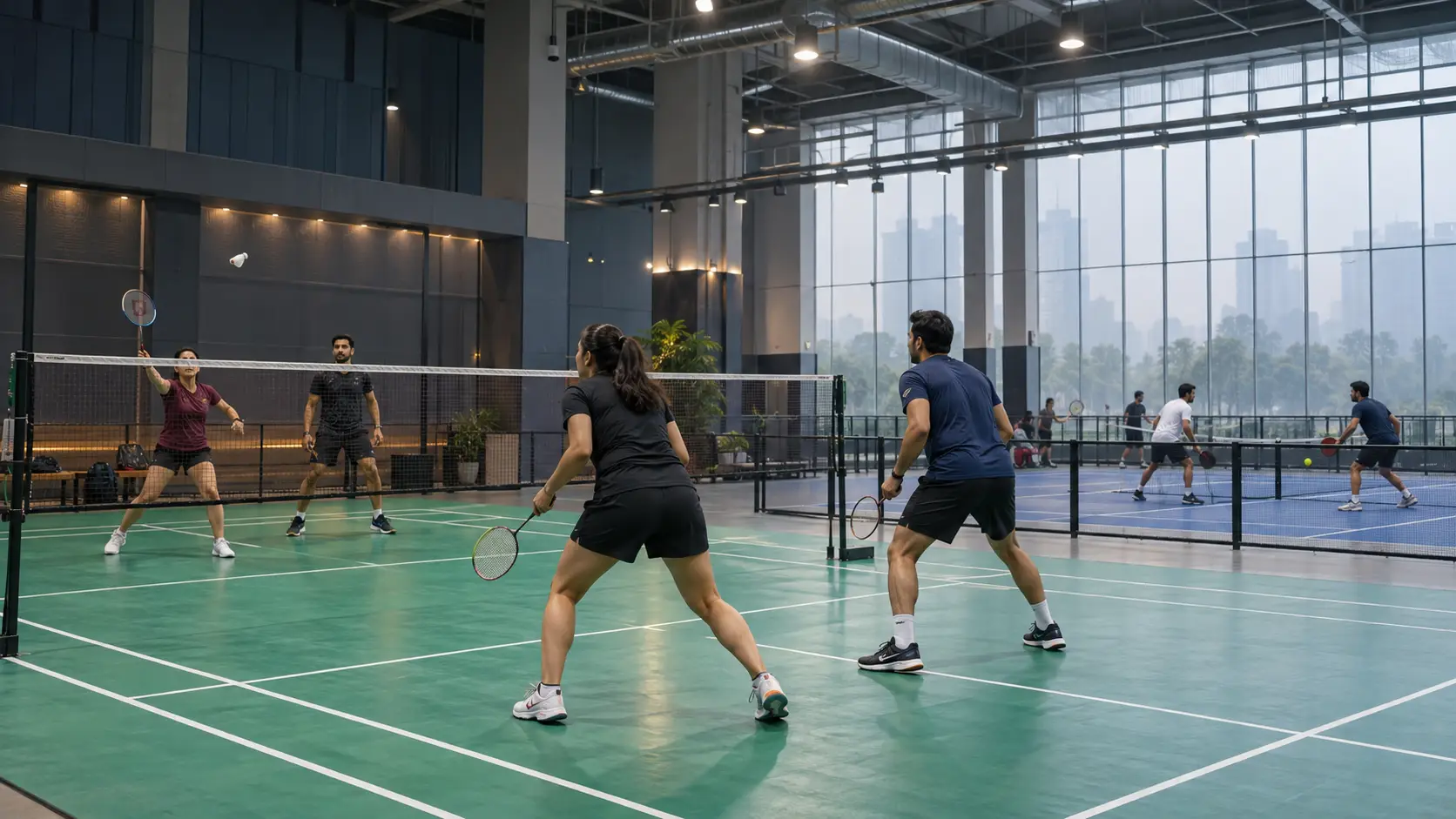
Badminton is one of the most physically demanding racket sports in the world. A competitive match can last anywhere from 30 minutes to over an hour, requiring sustained aerobic fitness, explosive bursts of speed, sharp reflexes, and mental concentration throughout. In tournament settings, players may compete in multiple matches on the same day or across several consecutive days - placing enormous demands on the body's energy systems, muscle tissue, and hydration levels. Yet nutrition is one of the most consistently neglected aspects of badminton player preparation at every level below the elite. Getting your diet right does not just support your performance - in many cases it determines it. This guide covers everything a badminton player needs to know about fuelling, recovering, and hydrating for the demands of the sport.
Why Nutrition Matters More in Badminton Than Most Players Realise
Unlike sports with fixed match lengths, badminton game duration is unpredictable. A match might end in under 30 minutes or extend well past an hour. In tournament formats - like those held at facilities such as the Noida Indoor Stadium- players may face multiple matches within a short timeframe, leaving limited recovery windows between games. This unpredictability makes advance nutritional planning essential. A player who arrives at a tournament without having considered their pre-match nutrition, in-match fuelling, or post-match recovery strategy is already at a disadvantage before a single shuttle has been struck.
Badminton's physical demands combine two energy systems simultaneously: the aerobic system, which sustains movement and concentration across the full match duration, and the anaerobic system, which powers explosive sprints, jump smashes, and rapid directional changes within individual rallies. Nutrition that supports both systems - not just one - is what allows a badminton player to maintain performance quality from the first point to the last, rather than fading physically and mentally in the third game when matches are most often decided.
The Foundation - Low-Fat, High-Carbohydrate Eating for Badminton Players
The cornerstone of a badminton player's daily diet should be low-fat, high-carbohydrate meals built around foods with high nutritional density. Carbohydrates are the primary fuel source for the kind of high-intensity, intermittent exercise that badminton demands. They are stored in the muscles and liver as glycogen - the readily accessible energy that your body draws on during explosive rallies, smashes, and court sprints. When glycogen stores run low during a match or training session, performance drops sharply: movement slows, reaction time deteriorates, and shot selection suffers.
High-quality carbohydrate sources for badminton players include brown rice, whole grain bread and pasta, oats, sweet potatoes, bananas, and other whole fruits. These foods provide sustained energy release rather than the sharp spike and crash associated with refined sugars, making them ideal for both pre-match fuelling and day-to-day dietary foundations. Vegetables, legumes, and pulses should complement these carbohydrate sources to ensure adequate fibre, vitamins, and minerals.
Excess body fat is a genuine performance liability in badminton. Even a small amount of unnecessary additional body weight reduces a player's mobility on court, increases the energy cost of every movement, and accelerates fatigue across longer matches and tournament days. Choosing foods with high nutritional value relative to their caloric content - whole foods over processed, nutrient-dense over calorie-dense - helps players maintain an optimal body composition for the specific physical demands of the sport. This does not mean extreme restriction. It means consistent, thoughtful food choices that prioritise quality over quantity.
What to Eat Before a Badminton Match

Pre-match nutrition has two primary goals: ensuring your glycogen stores are fully topped up heading into the match and avoiding any gastrointestinal discomfort during play. Timing is crucial. A larger carbohydrate-rich meal eaten two to three hours before a match gives your body enough time to digest and absorb the nutrients before competition begins. Good pre-match meal options include rice or pasta with a lean protein source such as chicken, fish, or eggs, accompanied by vegetables. Avoid high-fat foods in the pre-match window as they slow digestion and can cause discomfort during intense movement.
If your match is earlier in the day and a full meal is not practical, a lighter snack eaten one to two hours before competition can maintain energy availability without the discomfort of a heavy pre-match meal. Suitable snack options include a banana with peanut butter, a bowl of oats with fruit, or a whole grain sandwich with lean protein. Avoid eating within 45 to 60 minutes of a match as this can interfere with digestion and divert blood flow to the gut during physical activity.
Players training or competing at venues like the Rackonnect Strings and Feathers Badminton Academy should plan their pre-session meals in advance based on their scheduled training times, building the nutritional preparation habit into their overall training routine rather than leaving it as an afterthought.
In-Match Nutrition - Fuelling During Long Matches and Tournament Days
For matches that extend beyond 45 to 60 minutes, or in tournament formats where multiple matches are played across a single day, maintaining energy availability during play becomes an active consideration rather than simply a pre-match preparation concern. The body's glycogen stores are finite - in an intense match, they can be significantly depleted within an hour of continuous high-intensity effort.
During changeovers and between games, small amounts of rapidly available carbohydrate can help sustain energy levels through the latter stages of a long match. Easily digestible options include a banana, energy gels, sports drinks with carbohydrate content, or a small portion of dried fruit. Avoid anything heavy or high in fat or fibre during competition as these slow digestion and can cause discomfort under the physical demands of match play. Small, frequent in-match fuelling - a few bites or sips at each available interval - is far more effective than attempting to eat a large amount during a mid-game break.
Recovery Nutrition - What to Eat After a Badminton Match or Training Session
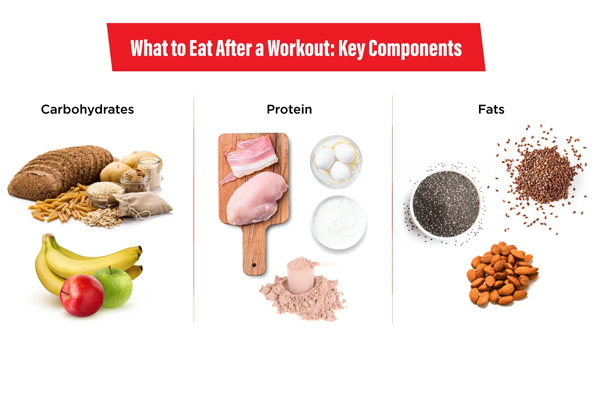
The first hour following exercise is the most critical window for nutritional recovery. During this period, the body is primed to absorb nutrients, replenish depleted glycogen stores, and begin repairing the muscle damage caused by intense physical activity. Failing to take advantage of this window - by delaying your post-exercise meal or eating the wrong things - significantly slows the recovery process and reduces your readiness for the next training session or match.
Optimal post-match recovery nutrition combines high-quality carbohydrates with a meaningful protein source. The carbohydrates replenish the muscle glycogen depleted during the match or training session, while the protein provides the amino acids needed to repair and rebuild muscle tissue. Practical recovery meal and snack options include rice with grilled chicken and vegetables, eggs on whole grain toast, a protein shake with a banana, Greek yoghurt with fruit and granola, or a dal and rice combination with a protein source.
In tournament situations - where players competing at venues like the Rackonnect Unwind Badminton Arena in Noida Sector 149 may face another match within hours of finishing their previous one - the recovery nutrition window becomes even more important. The faster you can begin restoring glycogen and initiating muscle repair, the better prepared you will be for your next competitive effort. Preparing recovery food or snacks in advance and having them accessible immediately post-match removes the common barrier of having to find appropriate food when you are already fatigued and short on time.
Hydration for Badminton Players - Why It Is Critical and How to Get It Right
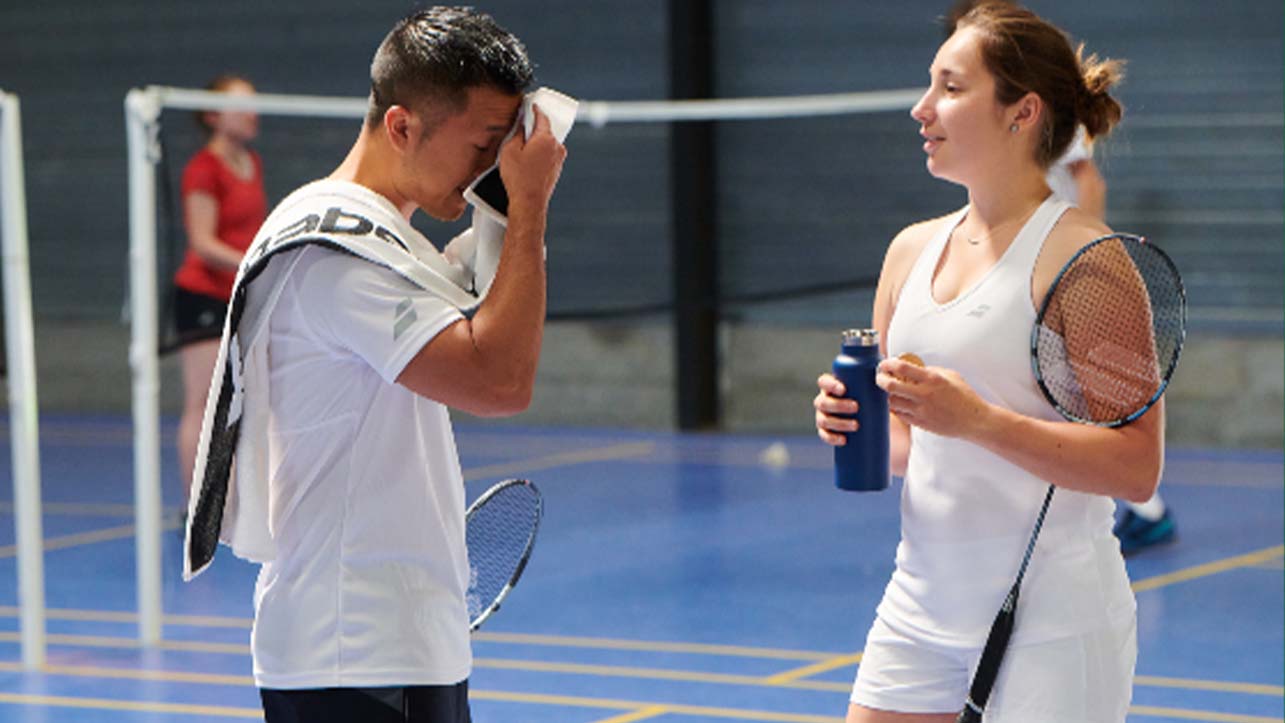
Hydration is one of the most important and most frequently underestimated performance factors in badminton. The sport is physically intense, typically played indoors in enclosed spaces where ventilation varies significantly, and is popular in regions with warm, humid climates - all factors that increase sweat rate and accelerate the risk of dehydration during play. Unlike outdoor sports where wind and evaporation help cool the body naturally, indoor badminton limits this evaporative cooling effect, meaning body temperature rises faster and sweat losses accumulate more quickly.
Even mild dehydration - a fluid loss of as little as two percent of body weight - has measurable negative effects on physical performance, reaction time, and concentration. A player who is one to two kilograms lighter after a match due to fluid loss will be moving slower, making slower decisions, and experiencing a meaningfully degraded experience on court. These are margins that matter enormously in a sport decided by split-second reactions and precise shot placement.
How to Hydrate Before a Match
Begin hydrating well before your match or training session - not in the 15 minutes immediately before you play. Drinking steadily throughout the day leading up to a session is far more effective than attempting to hydrate rapidly in the warm-up period. Aim for urine that is pale yellow in colour as an indicator of adequate hydration status. If your urine is dark or amber, you are already behind on your fluid intake and need to increase it before competing.
How to Hydrate During a Match
Take small sips of water or a sports drink at every available changeover and interval during your match. Do not wait until you feel thirsty - thirst is a late indicator of dehydration, meaning by the time you feel it, your performance has already begun to deteriorate. In long matches or tournament conditions involving multiple games, a sports drink containing electrolytes and a small amount of carbohydrate provides both fluid replacement and energy, making it more effective than water alone for extended competition.
How to Rehydrate After a Match
Post-match rehydration should begin immediately after play ends and continue steadily over the following hours. A practical target is to drink approximately 1.5 times the volume of fluid lost during exercise - so if you lost one kilogram of body weight during a match, aim to drink 1.5 litres of fluid in the recovery period. Including some sodium in your post-match fluid intake - through a sports drink, salty foods, or simply adding salt to your recovery meal - helps the body retain the fluid you are taking in rather than excreting it through urine rapidly.
Building a Daily Nutrition Routine as a Badminton Player
Consistent daily nutrition is the foundation that makes pre-match preparation and post-match recovery effective. Players who eat well every day - adequate carbohydrates to sustain training loads, sufficient protein to support ongoing muscle repair and development, enough fruit and vegetables to cover micronutrient needs, and consistent hydration - arrive at every session with full energy stores, healthy muscle tissue, and optimal hydration status. Nutrition is not just a match-day consideration. It is a daily discipline that determines your physical baseline week after week and month after month.
A simple daily nutrition structure for a badminton player training regularly might look like this: a carbohydrate-rich breakfast with protein and fruit in the morning, a moderate-sized lunch with a balance of carbohydrates, protein, and vegetables, a pre-training snack one to two hours before the session, a recovery meal or snack within an hour of finishing training, and a balanced dinner to restore energy levels and support overnight muscle recovery. Consistent fluid intake throughout the day - approximately two to three litres for most active individuals, more in hot or humid conditions - should underpin all of this.
Frequently Asked Questions - Badminton Nutrition
What should I eat before a badminton match?
Eat a carbohydrate-rich meal with lean protein two to three hours before your match - options like rice with chicken, pasta with a light sauce, or oats with fruit work well. If time is short, a lighter snack one to two hours before is better than playing on an empty stomach. Avoid heavy, fatty, or fried foods in the pre-match window as they slow digestion and can cause discomfort during intense movement.
What is the best recovery food after badminton?
The best post-match recovery foods combine carbohydrates and protein consumed within an hour of finishing play. Good options include rice with chicken and vegetables, eggs on whole grain toast, Greek yoghurt with fruit, a protein shake with a banana, or dal and rice with a protein source. Starting recovery nutrition quickly - within the first hour - is more important than the specific food choice.
How much water should a badminton player drink?
As a baseline, aim for two to three litres of water per day as a badminton player who trains regularly, with additional intake before, during, and after training sessions and matches. In hot or humid playing environments, your fluid needs will be higher. Monitor your urine colour - pale yellow indicates adequate hydration, dark yellow or amber indicates you need to drink more.
Are sports drinks necessary for badminton players?
For training sessions and matches lasting less than an hour, water is sufficient for most players. For longer sessions, tournament play with multiple matches, or play in hot or humid conditions, a sports drink containing electrolytes and carbohydrates provides meaningful performance benefits by simultaneously replacing fluids, maintaining electrolyte balance, and providing readily available energy. Sports drinks are not a daily necessity but are genuinely useful in extended competition scenarios.
Does diet affect badminton performance?
Yes, significantly. Your diet determines the amount of energy available during matches and training sessions, how quickly your muscles recover between sessions, your ability to maintain concentration and reaction time in the later stages of long matches, and your body composition and movement efficiency on court. Poor nutrition directly impairs each of these factors. Consistent, well-planned nutrition is one of the highest-return performance investments any badminton player can make.
Badminton places exceptional physical demands on the body - demands that your nutrition either supports or undermines on every session and every match day. Getting the basics right - a carbohydrate-rich daily diet, smart pre-match fuelling, rapid post-match recovery nutrition, and consistent hydration throughout the day - gives you a physical foundation that your technique and training can actually build on. Whether you are training at the Rackonnect Unwind Badminton Arena in Sector 149 , the Noida Indoor Stadium, or the Rackonnect Strings and Feathers Badminton Academy - your nutrition plan should be as prepared as your racket bag. Feed your game right, and your game will show it.