The serve return is one of the most decisive moments in a badminton rally. While the serve begins the point, the return often determines who controls the next shot. Strong badminton serve return strategies allow players to neutralize the server’s advantage, apply early pressure, and dictate rally pace from the first exchange.
Whether competing in club matches or structured competitive badminton tournaments, mastering the first three shots can significantly increase winning percentage.
Why Serve Return Is So Important
In modern badminton, rallies are often shaped by the first three strokes:
The serve
The return
The third shot attack
A weak return gives the server an attacking opportunity. A sharp, well-placed return forces the server into a defensive position immediately. Effective serve return strategies focus on precision, timing, and anticipation rather than raw power.
Types of Serves You Must Learn to Read
Before choosing a return strategy, players must identify the type of serve being delivered.
Low Serve
Common in doubles. The shuttle travels tight over the net and lands close to the front service line.
Flick Serve
A deceptive serve that looks low but travels quickly toward the backcourt.
High Serve
Typically used in singles to push the receiver deep into the rear court.
Drive Serve
A flat and fast variation used occasionally to surprise the receiver.
Observing racquet angle, grip changes, and body positioning helps anticipate the shuttle trajectory early.
Singles Badminton Serve Return Strategies
Against the High Serve
Play a deep attacking clear to push the server back.
Execute a steep drop shot to move them forward.
Attack with a controlled smash if positioned early.
The goal in singles is to take control of court positioning immediately after the return.
Against the Flick Serve
React quickly with strong backcourt movement.
Maintain balance before choosing an attacking or neutral shot.
Recovery to the center base position remains critical after every return.
Doubles Badminton Serve Return Strategies
Doubles serve return strategies are more aggressive compared to singles.
Net Return
Tight spinning net shot to force a lift.
Set up your partner for a net kill opportunity.
Push to Mid Court
Target the tramlines between opponents.
Create confusion between front and rear players.
Drive Return
Fast, flat return aimed at the body or mid court.
Apply pressure instantly to break attacking formation.
Strong communication between partners enhances doubles return effectiveness, especially in competitive settings.
Footwork and Positioning During Serve Return
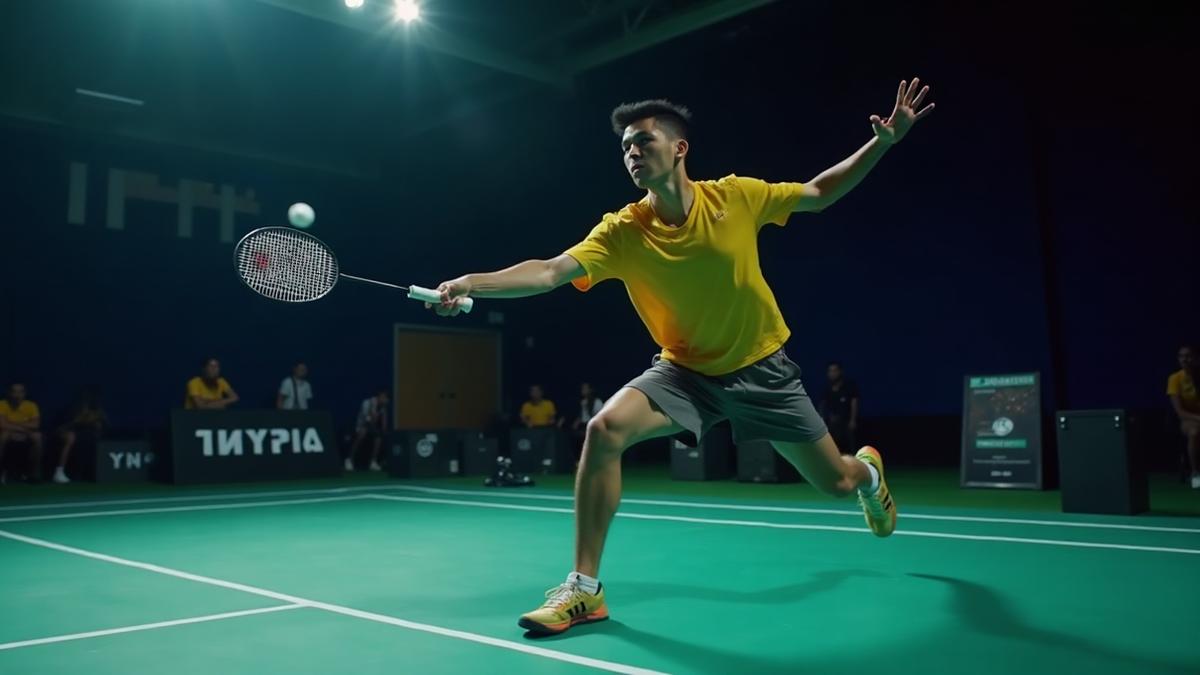
Footwork determines whether your return will be controlled or rushed.
Stay low with knees slightly bent.
Keep weight on the balls of your feet.
Time the split step just before shuttle contact.
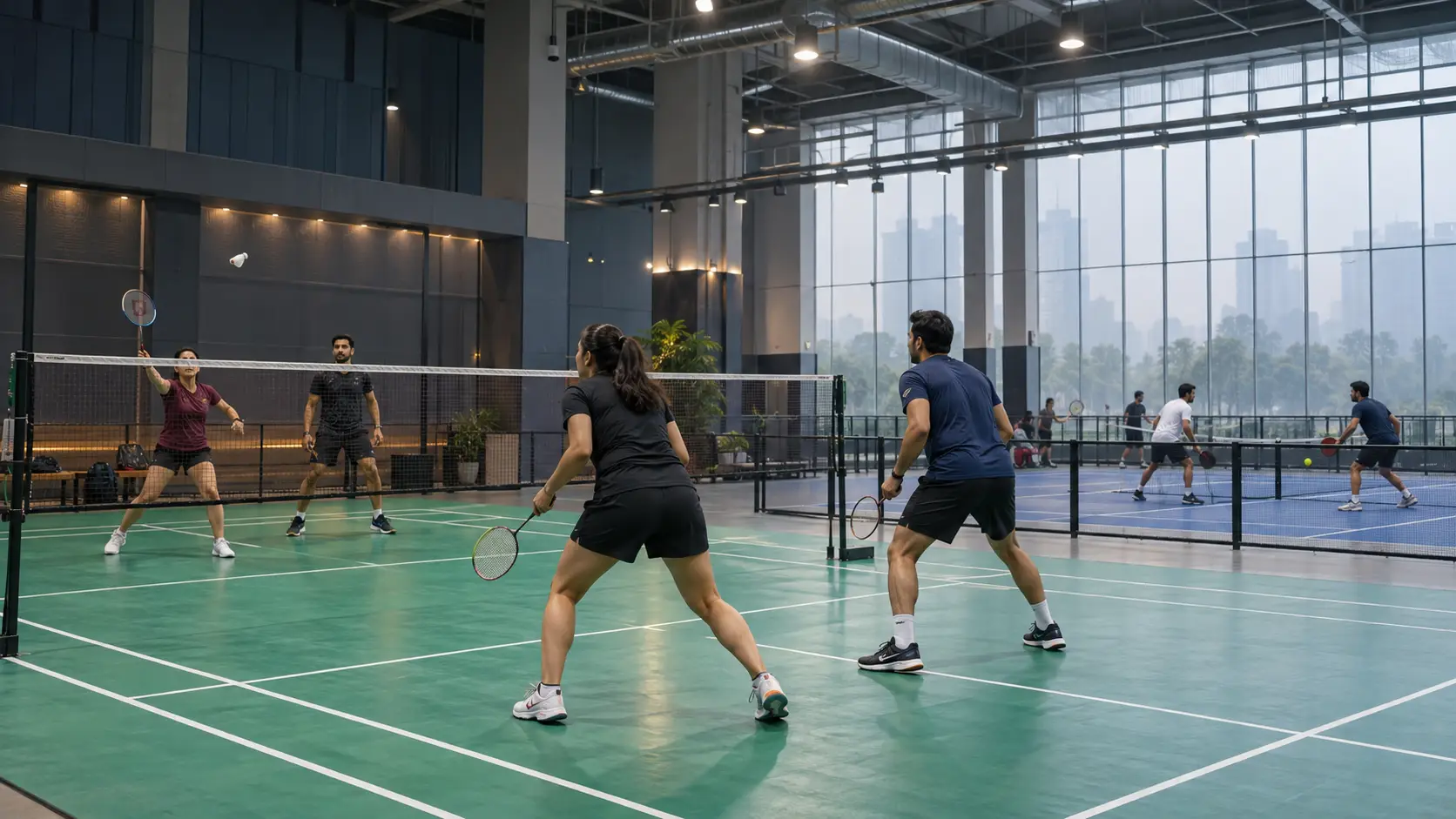
Practicing in well-maintained indoor badminton courts helps players train under consistent lighting and airflow, improving reaction timing and positioning.
Common Serve Return Mistakes
Standing upright and reacting late.
Over attacking low serves and hitting into the net.
Failing to anticipate flick variations.
Telegraphing return direction.
Effective badminton serve return strategies require composure and controlled aggression.
Psychological Edge in Serve Return
Returning aggressively sends a message early in the match.
Build pressure on the server.
Force hesitation in serve variation.
Increase confidence through proactive play.
Players who take initiative during serve return often dictate rally tempo throughout the match.
Practice Drills to Improve Serve Return
Multi shuttle rapid return drills.
Flick reaction training sessions.
Doubles interception and net pressure drills.
Game simulation focusing on first three shots.
Structured learning under professional badminton coaching programs accelerates technical refinement and tactical awareness.
Advanced Tactical Variations
Delayed net tumble for deception.
Cross court push return to open angles.
Body targeting drive to reduce reaction time.
Minimal backswing to disguise shot direction.
Mixing safe and aggressive options keeps opponents unpredictable and prevents rhythm development.
Serve Return Performance Checklist
Before the Match
Observe opponent serve patterns during warm-up.
Identify common tendencies.
During the Match
Stay low and balanced.
Alternate return placement.
Adjust strategy after every few rallies.
After the Match
Evaluate return consistency.
Identify areas needing improvement.
Mastering badminton serve return strategies transforms defensive starts into attacking opportunities. By reading serve patterns, refining footwork, and applying tactical variety, players can control rallies from the very first shot and build a consistent competitive advantage.