Introduction
Racket sports such as badminton, tennis, squash, and pickleball demand speed, endurance, and rapid reaction time. Players constantly sprint, change direction, jump, and maintain focus throughout rallies that can last several minutes. This level of activity places significant stress on the body’s hydration system. Even a small drop in hydration levels can affect stamina, concentration, and muscle performance during matches.
Many athletes assume that drinking water during practice or competition is enough to stay hydrated. While water is essential, it does not replace the minerals that the body loses through sweat. During intense gameplay, athletes lose not only fluids but also key electrolytes that regulate muscle contractions, nerve signals, and energy production. When these electrolytes are not replaced properly, performance can decline quickly.
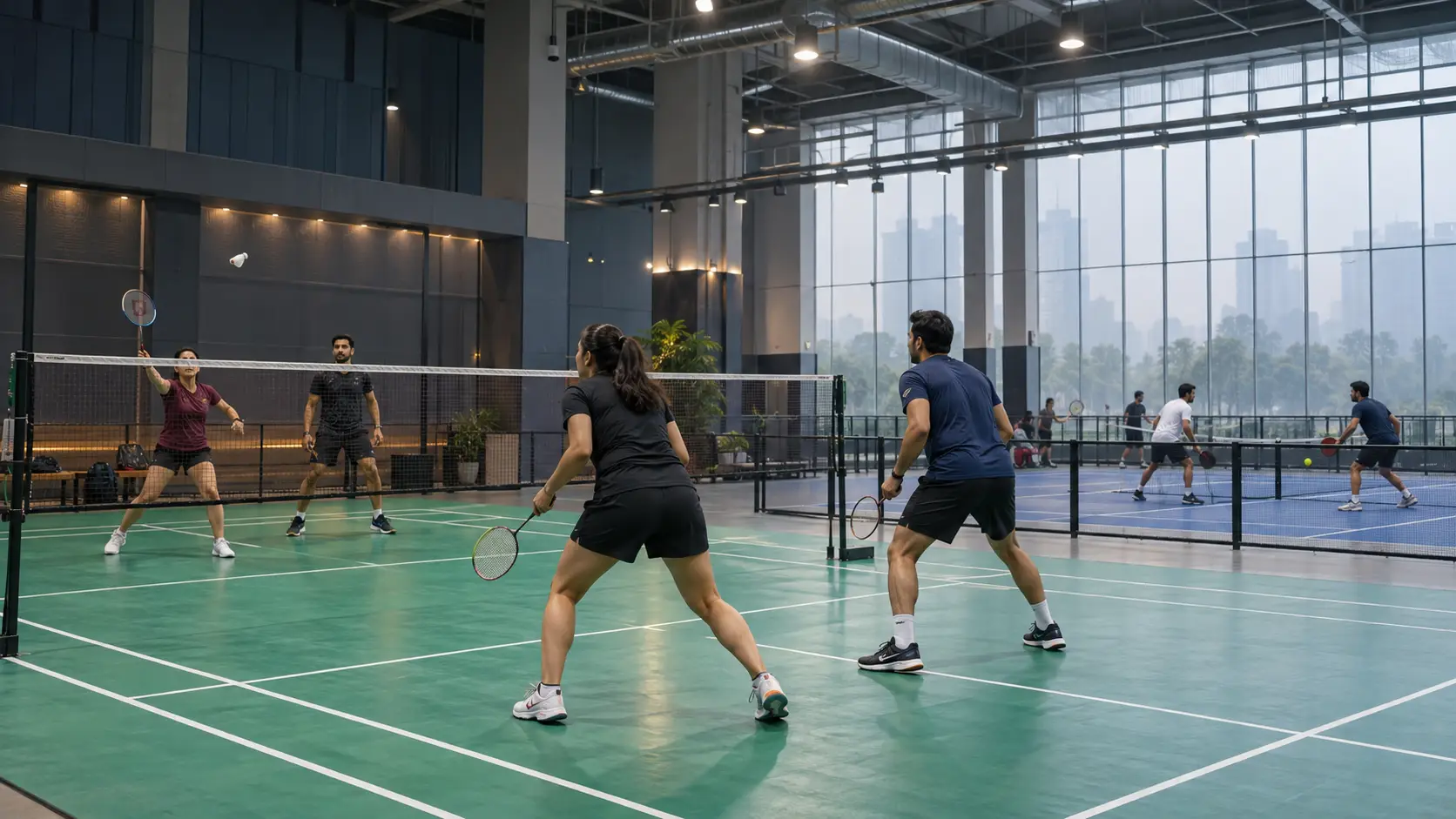
For racket sport athletes, proper hydration is not simply about drinking more fluids. It is about maintaining the right balance of water and electrolytes to support endurance, prevent cramps, and sustain peak performance throughout training sessions and competitive matches. Players who regularly train or compete at a badminton court in Delhi or similar high intensity venues can benefit greatly from a structured hydration strategy that supports consistent athletic performance.
Understanding Hydration Needs in Racket Sports
Why Racket Sport Athletes Lose Fluids Faster
Racket sports are characterized by explosive movements and high intensity bursts of activity. Players often perform rapid lunges, quick sprints across the court, and powerful strokes that demand full body engagement. These repeated bursts of movement significantly increase body temperature, causing the body to sweat in order to cool itself.
Indoor sports like badminton and squash can make fluid loss even greater. Indoor courts often have limited airflow, and athletes may sweat continuously throughout the match. In outdoor sports such as tennis or pickleball, heat and humidity further accelerate dehydration.
Tournament settings can also amplify hydration challenges. Athletes may play multiple matches within a single day, leaving little time for full recovery between games. Without proper hydration planning, fluid and electrolyte losses accumulate, leading to fatigue and reduced performance as the day progresses.
Signs of Dehydration During Matches
Dehydration does not always occur suddenly. It often develops gradually, with subtle signs that can easily be overlooked during intense gameplay. Athletes who are not adequately hydrated may begin to experience early fatigue, making it harder to sustain long rallies or maintain speed across the court.
Muscle cramps are another common sign of dehydration and electrolyte imbalance. When the body lacks essential minerals such as sodium and potassium, muscles may contract involuntarily, disrupting movement and coordination.
Reaction time and decision making can also be affected. Even mild dehydration has been shown to reduce cognitive performance, which can impact shot selection, positioning, and timing during fast paced rallies. Over time, this combination of physical and mental fatigue can significantly affect match outcomes.
How Much Fluid Do Racket Sport Players Actually Lose
The amount of fluid an athlete loses during play varies depending on several factors, including intensity, match duration, and environmental conditions. On average, athletes can lose between 0.5 to 2 liters of sweat per hour during vigorous activity.
In hot or humid conditions, sweat loss can increase even further. A long tennis match lasting two to three hours may lead to several liters of fluid loss if hydration is not managed properly. Badminton players engaged in intense indoor matches can also experience significant sweat loss due to continuous movement and limited airflow.
Because sweat contains electrolytes such as sodium, potassium, and magnesium, this fluid loss is not just about water. Each drop of sweat carries essential minerals away from the body. Replacing both fluids and electrolytes becomes essential for maintaining endurance and preventing dehydration related performance decline.
Why Water Alone Is Not Always Enough
What Happens When Athletes Replace Only Water
Water plays a crucial role in regulating body temperature and maintaining circulation. However, when athletes replace sweat loss with water alone, they may dilute the concentration of electrolytes in the body.
Sweat contains a significant amount of sodium, which helps maintain fluid balance and supports muscle function. When sodium levels drop too low due to excessive sweating combined with drinking only water, the body may struggle to retain fluids effectively. This imbalance can lead to fatigue, muscle cramps, and reduced endurance.
In extreme cases, excessive water intake without electrolyte replacement may contribute to a condition known as hyponatremia, where sodium levels in the blood become dangerously low. While this condition is more common in endurance sports, the underlying principle remains important for racket sport athletes: hydration requires more than water alone.
Role of Electrolytes in Athletic Performance
Electrolytes are minerals that carry electrical charges and play an essential role in many physiological processes that support athletic performance.
Sodium helps regulate fluid balance and supports the body’s ability to retain water during intense activity. It also assists in maintaining blood volume, which helps transport oxygen and nutrients to working muscles.
Potassium is essential for muscle contraction and nerve communication. Adequate potassium levels help muscles contract and relax properly, reducing the likelihood of cramps during prolonged matches.
Magnesium contributes to energy production and muscle relaxation. It supports recovery and helps reduce muscle fatigue after intense training sessions or competition.
Calcium is also involved in muscle contractions and nerve signaling. While it is often associated with bone health, calcium also supports the coordination required for precise racket movements.
Maintaining the proper balance of these electrolytes allows athletes to sustain physical output and maintain control during fast paced rallies.
Electrolyte Balance and Endurance in Long Matches
In long matches or tournament settings, maintaining electrolyte balance becomes even more critical. As sweat loss continues, the body’s electrolyte reserves gradually decline. Without replenishment, athletes may experience a progressive drop in energy levels and muscle efficiency.
Electrolyte drinks are designed to restore this balance by replacing both fluids and essential minerals. When consumed during or after intense play, these drinks help maintain hydration levels, support muscle function, and delay the onset of fatigue.
For racket sport athletes who regularly participate in extended matches or multi game tournaments, incorporating electrolyte drinks into a hydration strategy can significantly improve endurance, recovery, and overall performance on the court.
What Makes a Good Electrolyte Drink for Racket Sport Athletes
Key Ingredients That Support Performance
Not all electrolyte drinks provide the same benefits for athletes. The effectiveness of a hydration drink depends on the balance of minerals, carbohydrates, and absorption efficiency. For racket sport players who rely on quick bursts of energy and sustained endurance, the right combination of ingredients can make a noticeable difference during training and matches.
Sodium is one of the most important components of a sports hydration drink. Since sodium is the primary electrolyte lost through sweat, replacing it helps maintain fluid balance and supports the body’s ability to retain water. This improves hydration efficiency and prevents excessive fluid loss during long matches.
Potassium also plays an important role in muscle contractions and nerve signaling. Maintaining proper potassium levels helps reduce the likelihood of muscle cramps and supports smooth muscle function during rapid movements across the court.
Carbohydrates are another useful component in electrolyte drinks, especially during extended matches or intense training sessions. Small amounts of easily digestible carbohydrates provide quick energy and help maintain blood glucose levels, allowing athletes to sustain performance for longer periods.
Magnesium is often included in advanced electrolyte formulas because of its role in muscle recovery and energy production. It helps reduce muscle fatigue and supports the body's recovery process after demanding physical activity.
Ingredients to Avoid in Sports Drinks
While many commercial sports drinks claim to improve hydration, some products contain ingredients that may not be ideal for athletes focused on performance and recovery.
Excess sugar is one of the most common issues. High sugar levels can slow fluid absorption and may cause energy spikes followed by rapid crashes. For athletes who need consistent energy during matches, this can negatively affect endurance and focus.
Artificial colors and preservatives are also frequently used in mass market sports drinks. Although they may enhance appearance and shelf life, they do not contribute to hydration or athletic performance.
High caffeine content is another factor to watch. While small amounts of caffeine may improve alertness, excessive caffeine in hydration drinks can increase heart rate and may contribute to dehydration when consumed in large quantities.
Athletes often benefit more from hydration drinks that contain balanced electrolytes with moderate carbohydrate levels and minimal unnecessary additives.
Ideal Timing for Electrolyte Intake
Timing hydration properly can improve both performance and recovery in racket sports. Athletes should begin hydrating well before stepping onto the court. Drinking fluids containing electrolytes before a match helps ensure the body starts in an optimal hydration state.
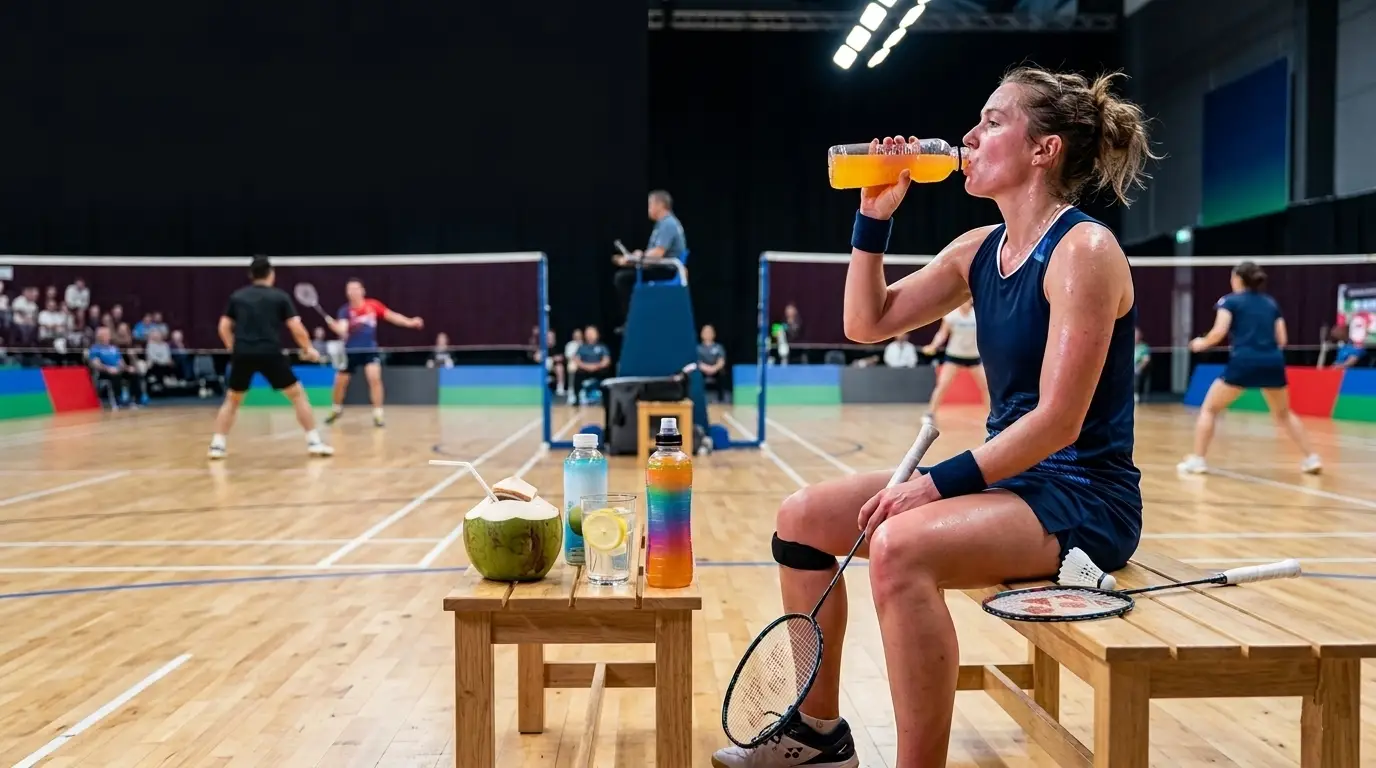
During matches, especially those lasting longer than an hour, athletes should consume small amounts of electrolyte drinks during breaks. This helps replace fluids lost through sweat and maintains electrolyte balance throughout the match.
Post match hydration is equally important. After intense play, the body needs to replenish lost fluids and minerals. Consuming an electrolyte drink during recovery can accelerate rehydration and support muscle repair after demanding physical activity.
Natural Electrolyte Drinks Athletes Can Use
Coconut Water as a Natural Hydration Option
Coconut water is widely recognized as a natural source of electrolytes and is often used as a hydration drink by athletes. It contains potassium, magnesium, and small amounts of sodium, making it a useful option for replenishing minerals lost through sweat.
One of the main advantages of coconut water is its natural composition. Unlike many commercial sports drinks, it typically contains no artificial colors or preservatives. This makes it an appealing choice for athletes who prefer natural hydration options.
Coconut water can be especially beneficial after training sessions or matches, as it helps restore fluid balance and supports recovery.
Lemon Salt Water for Quick Electrolyte Replenishment
A simple homemade hydration solution can also provide effective electrolyte replenishment. Lemon salt water is one of the most accessible options for athletes.
This drink typically consists of water, fresh lemon juice, and a small amount of salt. The salt helps replace sodium lost through sweat, while lemon juice adds a refreshing flavor and provides small amounts of vitamin C and minerals.
Because it is easy to prepare and inexpensive, lemon salt water is often used by athletes during training sessions or casual play when commercial sports drinks are not available.
Fruit Based Hydration Drinks
Fresh fruit juices diluted with water can also serve as natural hydration drinks. Fruits contain water, natural sugars, and essential minerals that support hydration and energy replenishment.
Watermelon juice is particularly refreshing and contains potassium and water content that help restore hydration after physical activity. Orange juice diluted with water can provide natural carbohydrates and electrolytes, supporting energy levels during extended training sessions.
Diluting fruit juice with water is often recommended because it reduces sugar concentration while maintaining hydration benefits. This allows athletes to receive both fluids and natural nutrients without consuming excessive sugar.
Commercial Electrolyte Drinks Used by Athletes
Isotonic Sports Drinks
Isotonic sports drinks are designed to have a similar concentration of dissolved particles as human body fluids. This allows them to be absorbed quickly by the body, making them effective for hydration during intense physical activity.
These drinks typically contain a balanced combination of electrolytes and carbohydrates, which helps replace minerals lost through sweat while providing a small energy boost. For racket sport athletes involved in long matches, isotonic drinks can help maintain stamina and delay fatigue.
Because of their rapid absorption, isotonic drinks are commonly consumed during matches or between sets.
Electrolyte Tablets and Powder Mixes
Electrolyte tablets and powdered drink mixes have become increasingly popular among athletes because of their convenience and portability. These products are usually dissolved in water to create a customized hydration drink.
One advantage of electrolyte tablets and powders is that athletes can control the concentration based on their hydration needs. This makes them useful for different training intensities and environmental conditions.
They are also easy to carry in a sports bag, allowing players to prepare a hydration drink quickly during tournaments or practice sessions.
Low Sugar Hydration Drinks
As awareness about nutrition and performance grows, many athletes are choosing hydration drinks that contain lower sugar levels. These drinks focus on electrolyte replenishment without excessive carbohydrates.
Low sugar electrolyte drinks are particularly beneficial for athletes who want to maintain hydration without consuming unnecessary calories. They are often used during training sessions, where energy requirements may be lower than during competitive matches.
Choosing the right hydration drink depends on factors such as match intensity, duration, and personal nutrition preferences. For racket sport athletes, combining natural hydration options with well formulated sports drinks can create a balanced hydration strategy that supports both performance and recovery.
Hydration Strategy for Racket Sport Athletes
Pre Match Hydration Plan
Effective hydration for racket sport athletes begins well before stepping onto the court. Starting a match in a dehydrated state can immediately reduce endurance, reaction time, and physical output. Athletes should focus on maintaining steady hydration throughout the day rather than relying on last minute fluid intake.
Consuming water and electrolyte rich beverages two to three hours before a match helps the body reach optimal hydration levels. This allows enough time for fluids to be absorbed and circulated through the body. A small electrolyte drink or lightly salted beverage can help maintain sodium balance, especially before long matches or tournaments played in warm environments.
Athletes should also avoid excessive caffeine or sugary drinks before play, as these can interfere with hydration balance and may cause fluctuations in energy levels.
Hydration During Matches
During competitive play, hydration should be approached proactively rather than reactively. Waiting until strong thirst appears often means dehydration has already started affecting performance.
Racket sport athletes should aim to take small sips of fluid during breaks, changeovers, or short rest periods. Consuming electrolyte drinks in moderate amounts helps replace minerals lost through sweat and keeps fluid levels stable throughout the match.
The goal during play is not to drink large quantities at once but to maintain consistent hydration. This strategy helps prevent stomach discomfort while ensuring the body continues receiving fluids and electrolytes needed to support muscle function and endurance.
Post Match Recovery Hydration
After a match or intense training session, the body needs to recover both fluid and electrolyte losses. Proper rehydration helps restore normal physiological balance and supports muscle recovery.
Athletes should begin recovery hydration soon after the match ends. Drinking water combined with electrolyte beverages helps replace minerals lost during play and assists the body in retaining fluids more effectively.
Including natural hydration sources such as coconut water or electrolyte rich recovery drinks can help accelerate the rehydration process. Pairing fluids with a balanced meal also supports recovery by restoring energy stores and essential nutrients.
Common Hydration Mistakes Racket Sport Players Make
Drinking Only When Thirsty
One of the most common mistakes athletes make is relying solely on thirst as an indicator for hydration. By the time the body signals thirst, dehydration may already be affecting physical and mental performance.
Racket sport players benefit more from maintaining regular fluid intake before and during matches rather than waiting for thirst signals to appear.
Consuming Too Much Sugar Based Sports Drinks
Many commercial sports drinks contain high levels of sugar. While carbohydrates can provide energy during prolonged activity, excessive sugar intake can slow down fluid absorption and may cause digestive discomfort during matches.
Athletes should choose hydration drinks with balanced electrolyte levels and moderate carbohydrate content instead of relying on heavily sweetened beverages.
Ignoring Electrolyte Balance in Long Matches
Some athletes focus only on water intake without considering electrolyte replacement. During long matches or tournament play, this can lead to mineral imbalances that affect muscle performance and endurance.
Maintaining proper sodium and potassium levels through electrolyte drinks or natural sources helps prevent cramps and fatigue.
Inadequate Hydration During Tournament Play
Tournament settings often require athletes to play multiple matches in a single day. Without a structured hydration strategy, fluid losses can accumulate across matches, leading to progressive fatigue.
Players who plan their hydration between matches are more likely to maintain consistent performance throughout the day.
Practical Hydration Tips for Badminton and Tennis Players
Hydration Planning for Practice Sessions
Training sessions can sometimes be even more physically demanding than competitive matches. Athletes should approach practice hydration with the same level of preparation used during tournaments.
Keeping a water bottle or electrolyte drink accessible courtside encourages regular hydration breaks during training. Coaches and players often schedule short hydration pauses during intense drills to maintain performance levels.
Tournament Day Hydration Strategy
Tournament days require careful hydration management from the moment the athlete wakes up. Drinking fluids steadily throughout the morning helps prepare the body for physical exertion later in the day.
Between matches, athletes should focus on replenishing both fluids and electrolytes. Light hydration drinks combined with small nutritious snacks help maintain energy and hydration levels between games.
Carrying the Right Hydration Gear in Your Sports Bag
Prepared athletes often carry a few essential hydration items in their sports bag. A reusable water bottle, electrolyte powder packets, or hydration tablets can help ensure access to fluids during practice and competition.
Some players also bring natural hydration options such as coconut water or homemade electrolyte drinks for recovery after matches. Having these options readily available makes it easier to maintain consistent hydration habits.
Final Thoughts on Smart Hydration for Racket Sports
Hydration plays a fundamental role in the performance and recovery of racket sport athletes. The fast paced nature of badminton, tennis, squash, and pickleball places continuous demands on the body’s fluid balance and electrolyte levels.
While water remains essential for hydration, relying on water alone may not fully replace the minerals lost through sweat during intense gameplay. Incorporating electrolyte drinks, whether natural or commercial, helps maintain the balance needed for muscle function, endurance, and sustained focus.
Athletes who develop a structured hydration strategy before, during, and after matches often experience better stamina and quicker recovery. Choosing the right electrolyte drinks and maintaining consistent hydration habits can support long term performance and help players stay competitive throughout training sessions and tournaments. Players looking to explore professional courts and training venues can also discover multiple sports facilities through Rackonnect, a platform that helps athletes find and book racket sport venues across different locations.