Introduction: A Landmark Moment for Badminton Governance
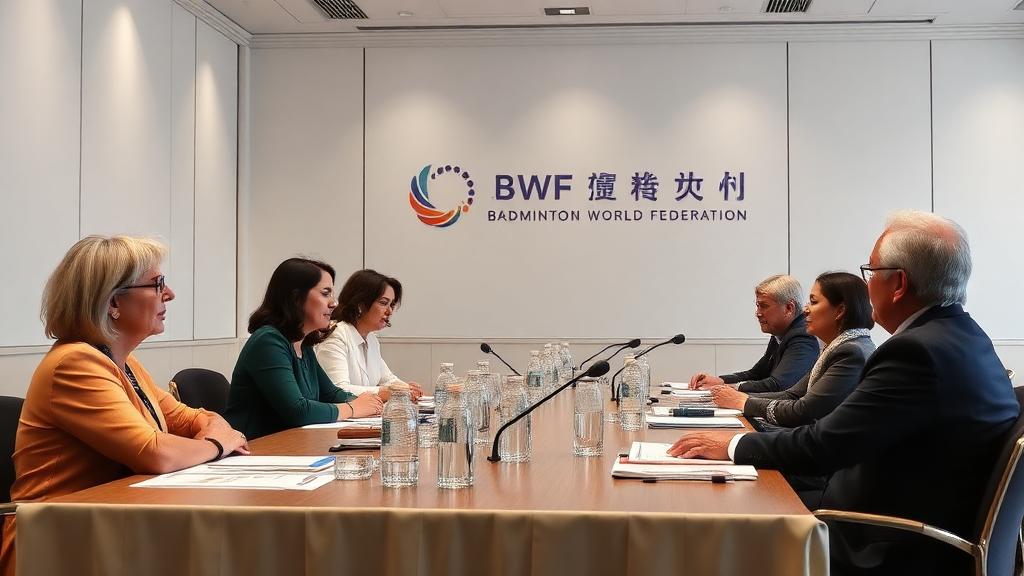
The Badminton World Federation (BWF) took a significant step forward in its governance structure at the 81st BWF Annual General Meeting, held virtually from Copenhagen. Among several important constitutional amendments passed during the meeting, the most widely discussed was the approval of a framework guaranteeing minimum gender and geographical representation across the BWF Council.
The decision marked a genuine shift in how the global governing body of badminton structures its leadership - moving from an informal aspiration toward a constitutionally enshrined requirement.
For the millions of badminton players, coaches, administrators, and fans across India and the world, decisions like this shape the long-term direction of the sport - from how international tournaments are governed to how development resources are allocated across regions and demographic groups.
What Was Approved: The Key Constitutional Changes
30% Gender Representation Guarantee
The central measure approved by BWF membership was a constitutional change ensuring "at least 30 percent of each gender on Council and among the representatives from each continental region."
This means that neither men nor women can hold fewer than 30% of seats on the BWF Council - a binding requirement rather than a target. The change applies both to the Council as a whole and to the representative contingents from each continental badminton confederation.
Previously, the BWF Council composition was not subject to formal gender minimums. The approved change brings the BWF in line with the direction set by the International Olympic Committee (IOC), which issued directives to National Olympic Committees (NOCs) to achieve gender equality in decision-making positions by 2020.
Presidential Term Limits
Alongside the gender representation framework, the membership also approved a four-year term limit on the BWF President's position - a governance reform aimed at ensuring regular renewal of leadership at the highest level of the federation.
This type of term limit reform has been widely adopted across major international sports federations in recent years as part of broader governance improvement initiatives driven by the IOC and international anti-corruption bodies.
Para-Badminton Athletes' Commission Inclusion
The BWF membership also passed a proposal to include the Chair of the Para-Badminton Athletes' Commission on the BWF Council - giving Para-Badminton athletes direct representation at the governing body's decision-making table for the first time.
This inclusion reflects the growing recognition of Para-Badminton as an integral part of the sport's global identity, rather than a peripheral category.
Judicial Structure Reform
Additional constitutional amendments were passed to align the BWF Constitution with the updated 2020 Judicial Procedures - a reorganisation of the federation's judicial structure designed to improve clarity, fairness, and procedural consistency in governance matters.
BWF President's Response
BWF President Poul-Erik Høyer congratulated the membership on passing what he described as a landmark vote:
The President acknowledged the gender equality constitutional change as a significant milestone and highlighted an additional governance achievement - the introduction of a vetting process for BWF officials, designed to strengthen accountability and transparency in appointments across the federation.
Høyer also shared a broader governance context, noting that the BWF had been ranked third among 31 Summer International Federations in the Association of Summer Olympic International Federations (ASOIF) review of International Federation governance.
"This is fantastic news for badminton that we are doing very well in this area," he stated. "It's a great sign for the future of badminton and I congratulate everyone on these outstanding results."
A third-place governance ranking among 31 Olympic sport federations represents a significant achievement - placing badminton among the best-governed international sports organisations in the world.
Why This Decision Matters
Alignment with Olympic Movement Standards
The IOC has been progressively pushing all Olympic sport federations toward greater gender equality in governance since 2014, with a 2020 target for meaningful representation in decision-making roles. The BWF's constitutional change aligns it formally with this Olympic-level standard.
For a sport as globally popular as badminton - particularly in Asia, where women's badminton has historically been as prominent as men's at the highest competitive levels - gender representation in governance is not simply an administrative question. It affects how resources are allocated, how development programmes are designed, and how the sport presents itself to sponsors, broadcasters, and new audiences.
Representation Across Continental Regions
The requirement extends beyond the Council as a whole to continental representations - meaning that each regional federation's nominees to the BWF Council must also meet the 30% minimum. This prevents a scenario where the global total is achieved by concentrating women's representation in one or two regions while others remain without female representation.
A Foundation for Future Development
Governance structures shape the long-term culture and direction of a sport. When governing bodies reflect gender diversity at the leadership level, the policies, priorities, and programmes they develop are more likely to reflect the needs and perspectives of the sport's full participant base - including the growing number of women playing and coaching badminton professionally and recreationally across India and globally.
The International Calendar Context
At the time of this General Meeting, the International Badminton Calendar was suspended due to the COVID-19 pandemic. While the BWF had disclosed a revised calendar in May, the evolving global situation resulted in the cancellation of numerous events from that revised schedule as well.
The governance decisions made at this meeting were therefore particularly significant - taking place at a moment when the federation had to look beyond immediate tournament management and focus on the structural foundations that would support the sport's recovery and long-term development once international competition resumed.
Badminton in India: The Broader Context
India has been one of badminton's fastest-growing major nations, producing world-class players across both the men's and women's categories. The governance decisions made at BWF level - including gender representation frameworks - have downstream effects on how national federations structure their own governance, and how development resources flow from the international level to national programmes.
For players, coaches, and administrators building careers in badminton across India, the BWF's governance direction matters - shaping the international framework within which all national development sits.
Whether you are a player developing your game at a club level, a coach building the next generation of competitive players, or a fan following the sport, the structures that govern international badminton affect the sport you love.
If you are looking to develop your badminton further - from beginner foundations to competitive play - Rackonnect's coaching programmes provide structured development pathways for players at every level across Delhi NCR and North India. You can also explore upcoming badminton tournaments to experience competitive badminton in a structured, well-organised environment.
Summary: Key Decisions from the 81st BWF Annual General Meeting
Constitutional change approved: Minimum 30% gender representation guaranteed on the BWF Council and among continental regional representatives.
Presidential term limit: Four-year limit established on the BWF President's position.
Para-Badminton inclusion: Chair of the Para-Badminton Athletes' Commission added to the BWF Council.
Judicial reform: BWF Constitution aligned with updated 2020 Judicial Procedures.
Governance ranking: BWF confirmed as third among 31 Summer Olympic International Federations in ASOIF governance review.
Stay Connected with Badminton
The BWF's governance decisions reflect the sport's growth and ambition on the global stage. As badminton continues to develop - in India and worldwide - staying connected with the sport at every level matters.
Explore everything Rackonnect offers for badminton players, coaches, and fans across India: