Key Takeaways
Mental toughness in badminton is a trainable skill that directly impacts performance in high pressure matches.
Players with strong psychological resilience handle momentum shifts, errors, and match pressure more effectively.
Focus control, emotional regulation, and confidence are core components of mental toughness.
Structured mental training should be integrated with on-court practice for best results.
Supportive training environments at professional academies accelerate mental skill development.
Introduction
High pressure badminton matches are often decided not by technique alone, but by how well a player manages stress, focus, and emotions during critical moments. Long rallies, unforced errors, crowd presence, and scoreline pressure can quickly disrupt performance if mental preparation is weak.
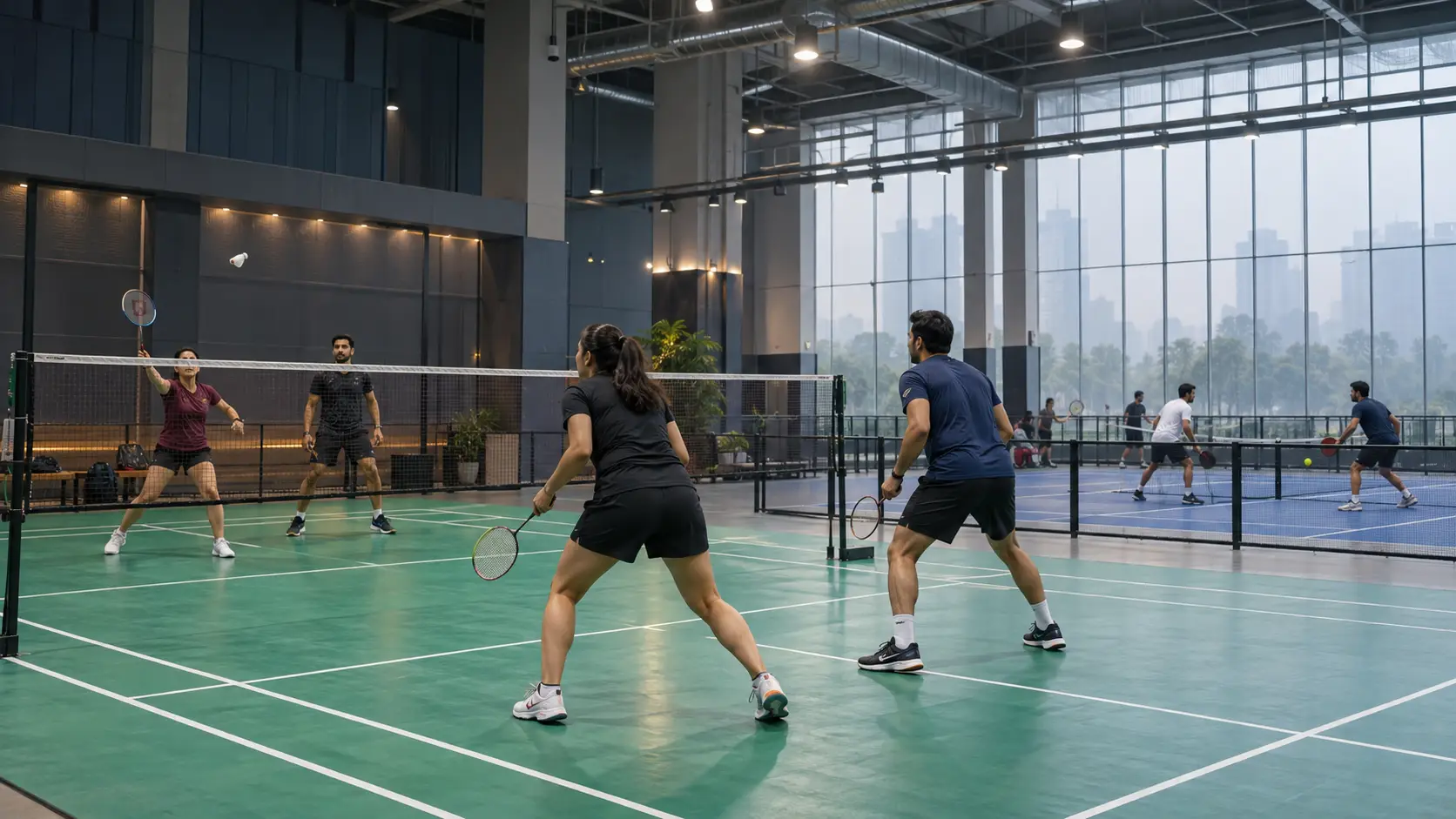
For players training seriously at competitive environments such as a badminton academy in Faridabad or advanced match settings like the Rackonnect Pro Badminton Arena Ghaziabad, developing mental toughness becomes as important as footwork, stamina, and shot accuracy.
This article explains what mental toughness means in badminton, why it plays a decisive role in high pressure matches, and how players can systematically build it through proven sport psychology techniques.
What Mental Toughness Means in Badminton
Mental toughness in badminton refers to the ability to stay composed, confident, and focused under competitive stress. It allows players to execute skills effectively despite pressure, fatigue, or external distractions.
Unlike physical attributes, mental toughness is not fixed. Research in sport psychology shows that psychological resilience, emotional control, and concentration can be developed through deliberate training and structured practice.
Key Elements of Mental Toughness in Badminton
Focus control: Maintaining attention on the shuttle and tactics rather than the score or opponent.
Emotional regulation: Managing frustration after mistakes and avoiding emotional swings.
Confidence under pressure: Trusting training and decision-making during critical points.
Resilience: Recovering quickly after lost rallies or momentum shifts.
Players exposed to match simulations, pressure drills, and competitive environments at professional venues such as the Rackonnect Pro Badminton Arena Ghaziabad often develop these traits faster due to consistent exposure to realistic match stress.
Why Mental Toughness Matters in High Pressure Badminton Matches
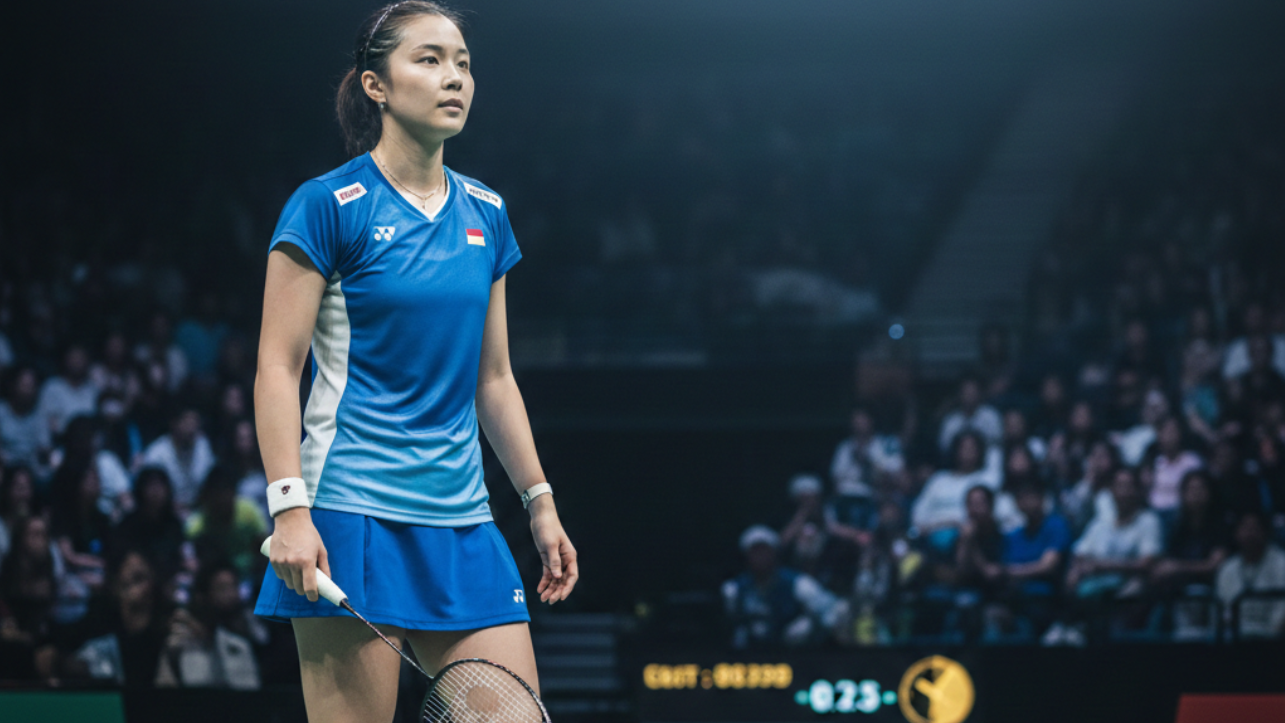
High pressure situations in badminton often emerge during close scorelines, long deuce rallies, or decisive final games. In these moments, physical skill levels between opponents are usually similar, making psychological strength the key differentiator.
Players with strong mental toughness are better equipped to manage competitive anxiety, maintain tactical discipline, and execute shots with clarity under stress. Instead of reacting emotionally to mistakes or external pressure, they stay present and focused on each rally.
Regular exposure to competitive match environments, such as training sessions and tournaments hosted at professional venues like the Rackonnect Pro Badminton Arena Ghaziabad, helps players adapt to pressure and normalise high-stakes situations.
Core Psychological Skills That Build Mental Toughness
Focus and Concentration Control
Sustained focus is essential in badminton, where even a brief lapse can result in lost points. Mental toughness allows players to direct attention toward controllable factors such as footwork, shot selection, and positioning rather than the score or opponent behaviour.
Training focus through rally-based drills, distraction simulations, and point-specific routines strengthens concentration during match play.
Emotional Regulation Under Stress
High pressure matches often trigger frustration, anger, or self-doubt after unforced errors. Mentally tough players acknowledge mistakes without letting emotions dictate subsequent decisions.
Developing emotional regulation skills helps players reset quickly, preventing one error from turning into a series of lost points.
Confidence and Self-Belief
Confidence under pressure comes from preparation and trust in training. Players who believe in their ability to handle difficult situations are more likely to take decisive shots rather than playing passively.
This confidence is reinforced through structured practice and competitive exposure at performance-focused environments such as a badminton academy in Faridabad, where match realism and feedback are emphasised.
Proven Mental Training Strategies for Badminton Players
Pressure Simulation in Training
One of the most effective ways to build mental toughness is to recreate match pressure during practice. This includes playing conditioned games, score-based challenges, or time-restricted rallies that force decision-making under stress.
Consistent exposure to pressure scenarios helps players become comfortable performing when the outcome matters.
Positive Self-Talk and Thought Control
Internal dialogue influences performance more than many players realise. Negative self-talk during high pressure moments increases anxiety and reduces confidence.
Replacing unproductive thoughts with constructive cues such as focusing on technique or strategy supports mental stability throughout matches.
Pre-Point and Pre-Match Routines
Simple routines before serves, returns, or matches help players regain focus and control breathing. These routines act as psychological anchors, providing consistency even when external conditions change.
Over time, routines become automatic responses that support calm and confident performance during decisive points.
The Role of Coaches and Training Environment in Mental Toughness
Creating Pressure-Ready Training Conditions
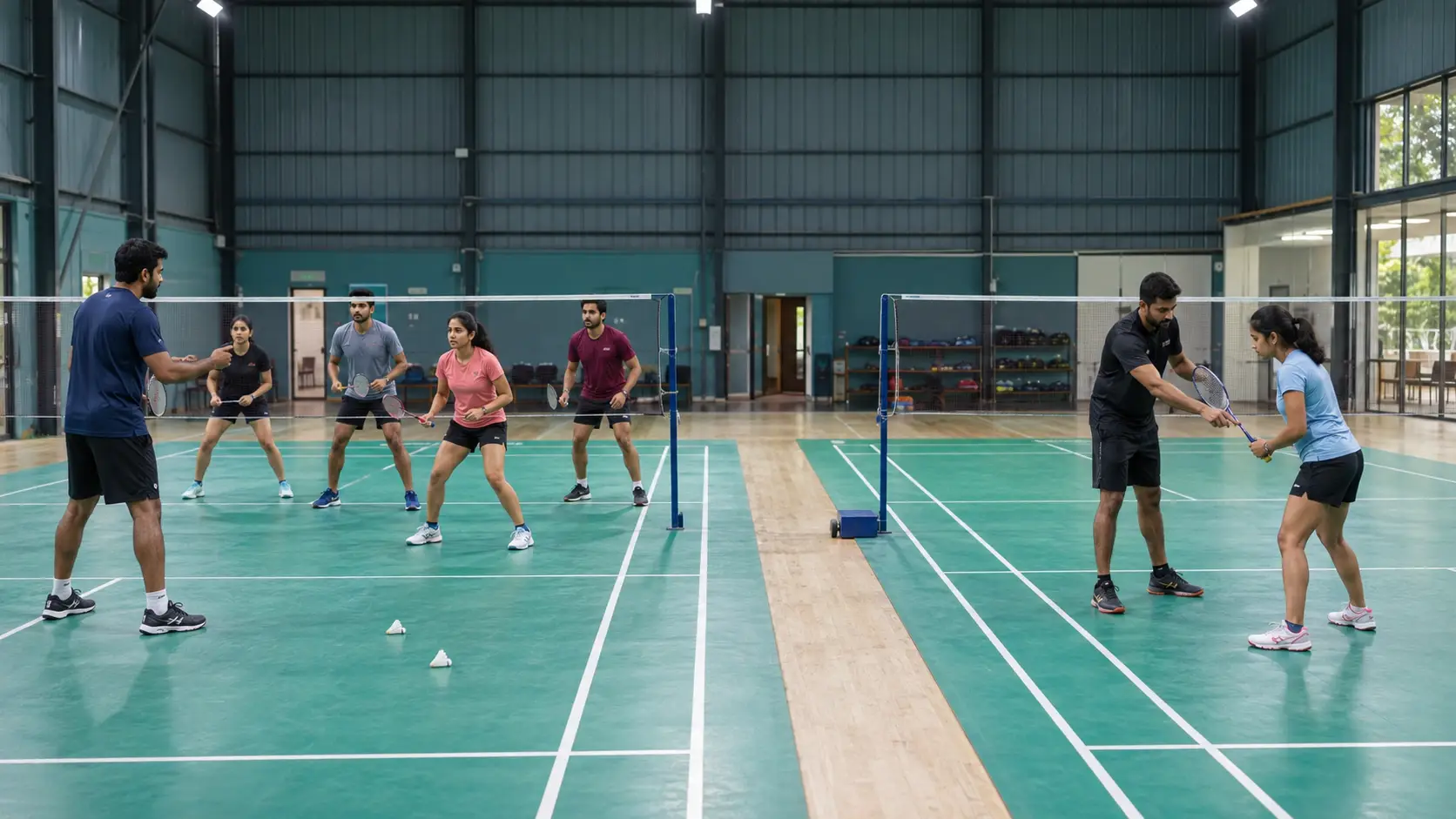
Mental toughness is not developed in isolation. Training environments that regularly expose players to competitive scenarios help normalise pressure and reduce anxiety during real matches.
Coaches who design sessions with score-based drills, consequence-driven games, and competitive match simulations prepare players to handle stress as a routine part of performance rather than an exception.
Constructive Feedback and Psychological Safety
How feedback is delivered plays a critical role in mental development. Constructive, process-focused feedback encourages learning and confidence, while overly critical responses can increase fear of failure.
Supportive coaching environments allow players to take calculated risks, recover from mistakes, and build long-term psychological resilience.
Leadership and Emotional Modeling
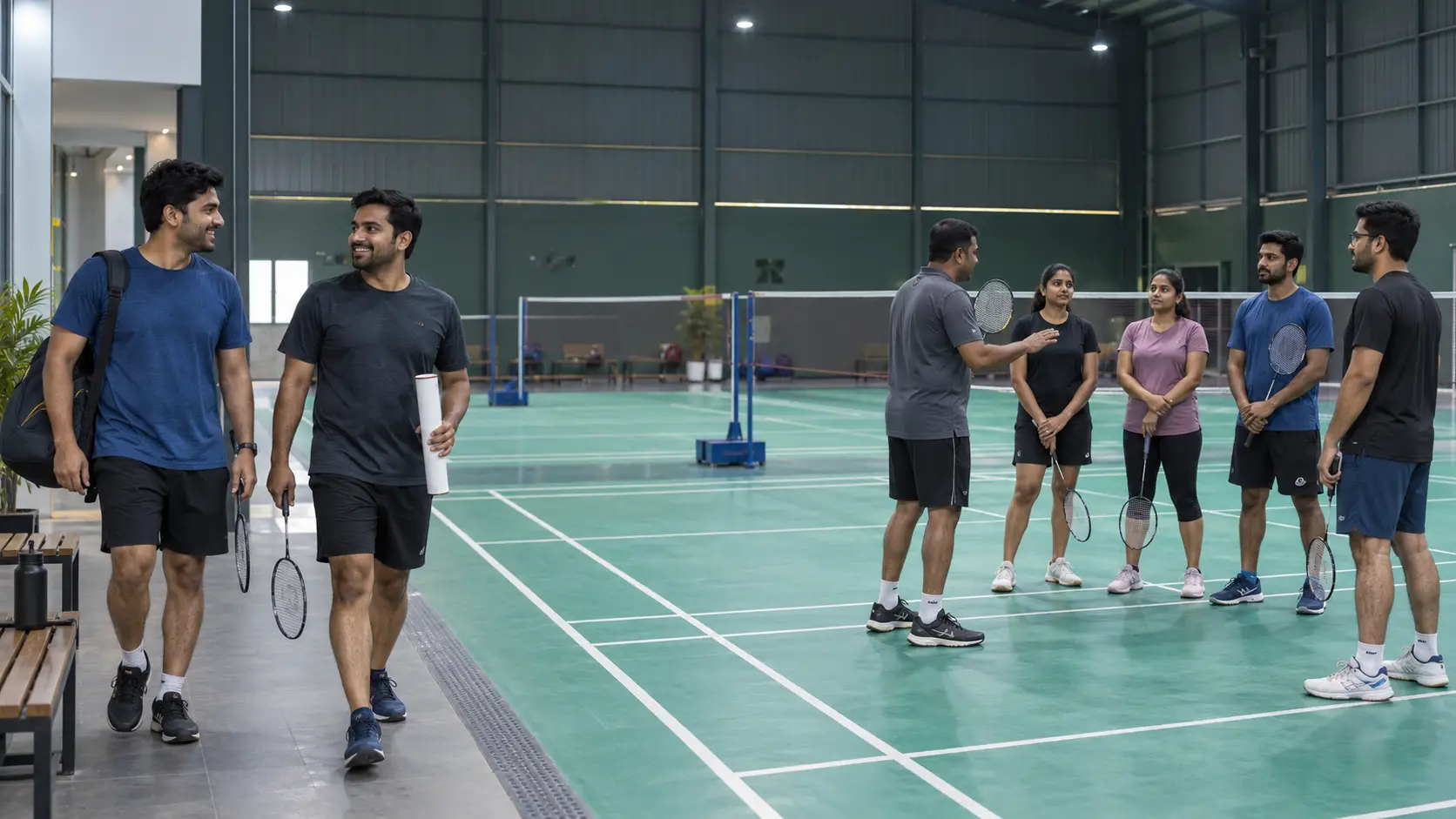
Coaches and senior players influence mental toughness through their own behaviour. Calm decision-making, emotional control, and consistency under pressure set psychological standards for the entire training group.
Common Mental Mistakes Players Make Under Pressure
Over-Focusing on the Score
Fixating on the scoreline shifts attention away from controllable actions such as footwork and shot execution. This often leads to rushed decisions and unforced errors.
Fear of Making Mistakes
Playing not to lose rather than playing to win is a common mental trap. Fear-based decision-making limits shot selection and reduces confidence during crucial rallies.
Emotional Carryover Between Points
Allowing frustration from previous points to influence the next rally disrupts focus. Mentally tough players treat each rally as a fresh opportunity, regardless of what happened earlier.
Lack of Mental Recovery Between Matches
Tournament play often involves multiple matches in a short period. Without mental recovery strategies, players may experience cognitive fatigue that affects decision-making and concentration.
How to Build Mental Toughness Into Weekly Training
Integrate Mental Skills With Physical Drills
Mental training is most effective when paired with on-court activity. Combining footwork drills with decision-making constraints or pressure scoring enhances psychological engagement.
Schedule Regular Match Simulation Sessions
Weekly match play with realistic scoring, umpiring, and time constraints helps players practice emotional control and focus under competitive conditions.
Use Reflection and Review
Post-session reflection allows players to identify emotional triggers, effective coping strategies, and areas for improvement. This reinforces learning and self-awareness.
Gradually Increase Psychological Load
Mental toughness improves progressively. Starting with manageable pressure scenarios and increasing complexity over time prevents overload and supports sustainable development.
Key Takeaways for Building Mental Toughness in Badminton
Mental toughness is a trainable skill, not an innate trait.
Psychological strength often determines outcomes in high pressure matches.
Focus control, emotional regulation, and confidence are core components.
Training environments and coaching approaches significantly influence mental development.
Consistent exposure to pressure scenarios builds long-term resilience.
Conclusion
Building mental toughness is essential for success in high pressure badminton matches. While physical conditioning and technical skill remain important, psychological readiness often determines how well a player performs when the stakes are highest.
By integrating mental training strategies into regular practice, players can improve focus, manage emotions, and maintain confidence under stress. Over time, these skills lead to more consistent performance and better outcomes in competitive play.
Mental toughness should be viewed as an ongoing development process. With structured training, supportive coaching, and deliberate practice, players at all levels can strengthen their psychological resilience and perform with greater control and confidence.
Frequently Asked Questions
Can mental toughness be trained in badminton
Yes, mental toughness can be developed through structured training that includes pressure simulations, focus exercises, and emotional regulation strategies.
How long does it take to build mental toughness
Mental toughness develops gradually. Consistent practice over several weeks or months is typically required to see noticeable improvement.
Does mental toughness reduce match anxiety
Strong mental skills help players manage anxiety by improving focus, confidence, and emotional control during competition.
Are mental routines important in badminton
Yes, pre-point and pre-match routines help players reset focus, regulate breathing, and stay composed under pressure.
Should junior players train mental toughness
Yes, age-appropriate mental training helps junior players develop confidence, resilience, and healthy competitive habits early in their development.