Badminton may be played indoors, but weather still plays a significant role in performance. Temperature, humidity, and air circulation directly affect shuttle speed, string tension, player stamina, and even injury risk. Over years of observing competitive and recreational play across North India, one pattern is clear: seasonal transitions change the way badminton feels on court.
Understanding how weather influences gameplay helps players adapt smarter, train efficiently, and choose better facilities. Selecting professional indoor courts listed on Rackonnect Venues reduces environmental inconsistencies and supports more stable performance throughout the year.
How Temperature Affects Shuttle Speed and Control
Temperature has a direct impact on shuttle aerodynamics.
Higher temperatures make the shuttle fly faster due to lower air density.
Lower temperatures slow down shuttle flight and reduce carry distance.
String tension behaves differently in heat versus cold conditions.
During summer, players often find smashes traveling long and clears overshooting baseline. In winter, shots may fall shorter than expected. These differences require timing adjustments and tactical awareness.
Modern indoor facilities equipped with structured airflow systems and climate considerations, such as those highlighted under Rackonnect Technology, help maintain more predictable conditions.
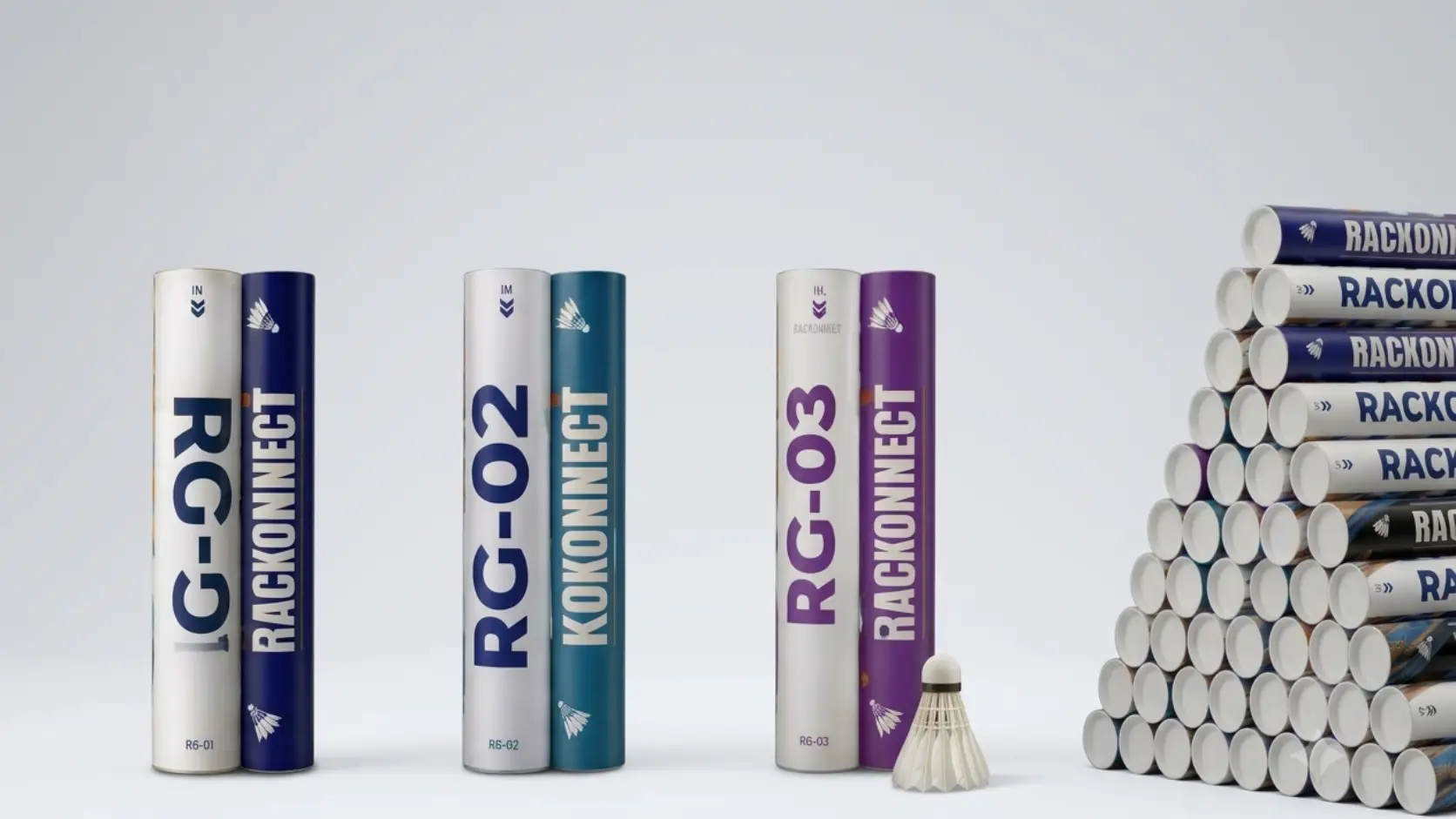
Humidity and Shuttle Durability
Humidity significantly affects feather shuttle performance.
High humidity slightly increases shuttle weight.
Dry air makes feathers brittle and prone to cracking.
Winter months often reduce shuttle durability.
In cities like Delhi and Jaipur, dry winter air can cause feather shuttles to break quickly. Playing at professionally managed venues such as Badminton Court in Delhi or Rackonnect Royal Badminton Arena Jaipur ensures better court management and controlled indoor settings.
Similarly, players in Punjab can benefit from regulated environments at Rackonnect Badminton Arena Amritsar where indoor structure reduces extreme humidity swings.
Wind and Air Circulation Impact
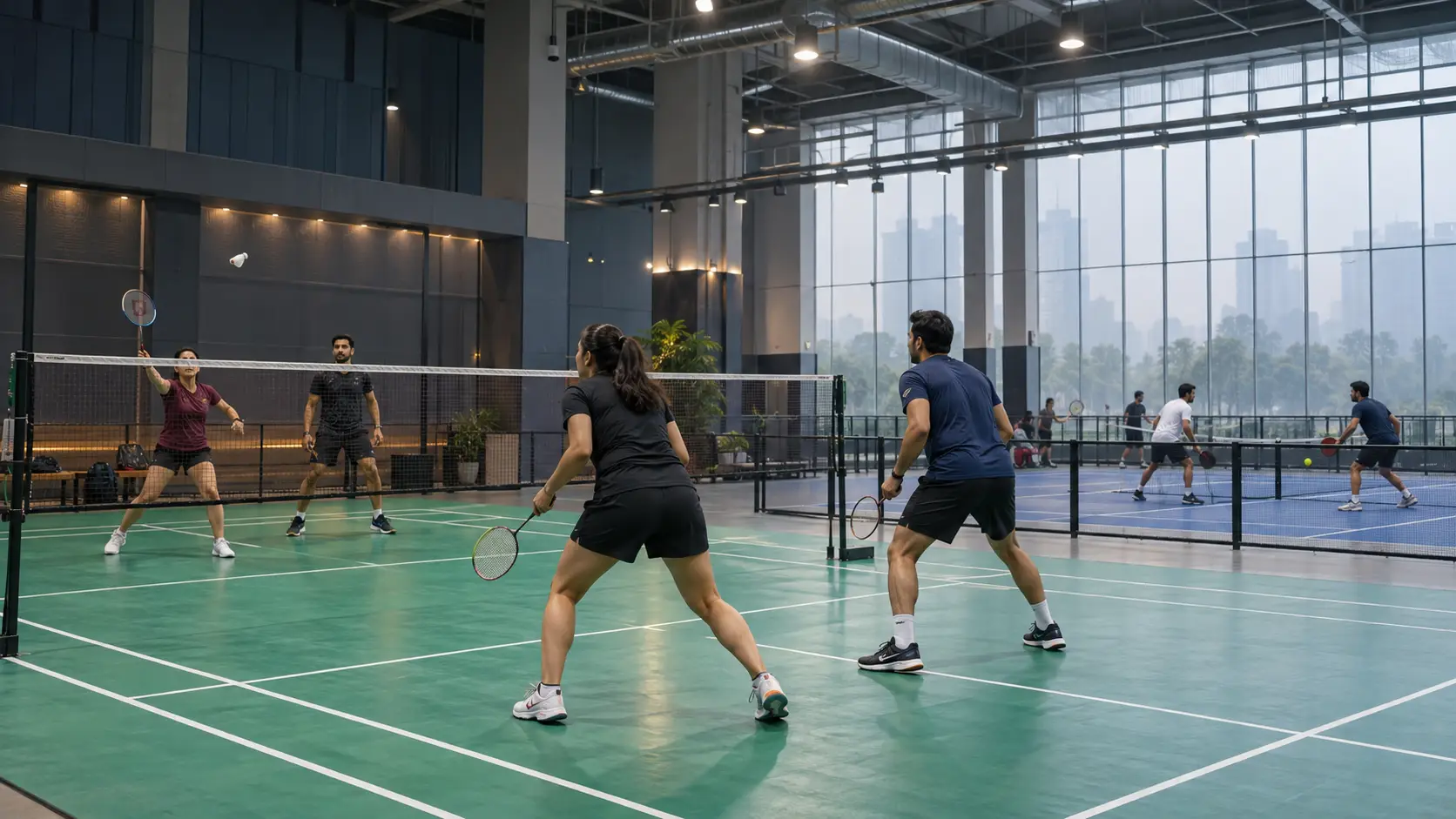
Even indoor badminton is sensitive to airflow direction.
Strong cross ventilation can shift shuttle trajectory.
Air conditioning vents may influence lift shots.
Improper fan alignment can disturb net play accuracy.
High-quality indoor stadiums such as Noida Indoor Stadium and Rackonnect Next Level Badminton Arena Noida Sector 45 are designed to minimize airflow disruption.
Other climate-conscious facilities including Rackonnect Next Level Badminton Arena Noida Sector 141 and Rackonnect Unwind Badminton Arena Noida Sector 149 offer stable indoor playing conditions.
Seasonal Changes and Player Performance
Summer
Shuttle speed increases.
Players fatigue faster.
Hydration becomes critical.
Winter
Shuttle slows down.
Muscles feel tighter.
Extended warm-up becomes necessary.
Monsoon
Humidity spikes.
Floor grip may fluctuate.
Professional training programs available through Rackonnect Coaching adjust drills and conditioning based on seasonal impact.
Weather Impact on String Tension and Equipment
Temperature influences racquet string behavior.
Heat may reduce effective tension.
Cold can make strings feel tighter and less forgiving.
Grip moisture changes based on humidity.
Facility management and surface technology, as described on Rackonnect Technology, help maintain consistent flooring grip and lighting standards.
Why Indoor Climate-Controlled Courts Matter
Climate-managed indoor arenas provide:
Consistent shuttle speed.
Reduced injury risk.
Improved fairness in competitive play.
Better lighting and airflow balance.
Players looking for professionally maintained courts can explore options through Rackonnect Venues and participate in structured events listed under Rackonnect Tournaments.
Weather Differences Across North Indian Cities
Faridabad experiences temperature swings and humidity variation. Indoor setups like Badminton Academy in Faridabad provide stable training environments.
Ghaziabad faces dry winter air, making indoor venues such as Rackonnect Pro Badminton Arena Ghaziabad more suitable year-round.
Gurugram sees rapid seasonal changes. Courts like Rackonnect 63 Badminton Arena Gurugram maintain reliable playing conditions.
Sonipat experiences temperature extremes. Indoor facilities such as Rackonnect Badminton Arena Sonipat help reduce performance variability.
Specialized academies including Rackonnect Strings & Feathers Badminton Academy and multi-sport setups like Players Den Rackonnect Sports Turf also offer structured indoor environments.
Tournament Play and Weather Stability
Official tournaments require stable conditions to ensure fairness. Shuttle testing, court inspections, and controlled airflow are essential before competitive matches. Explore structured events through Rackonnect Tournaments for organized competitive play.
Practical Tips to Adapt to Weather Changes
Adjust string tension seasonally.
Carry different shuttle speeds.
Increase warm-up duration during winter.
Hydrate consistently in summer.
Train in climate-managed indoor courts.
To maintain consistent performance across seasons, consider booking verified indoor courts through Rackonnect and explore nearby facilities via the venues directory.
Common Myths About Weather and Badminton
Indoor courts eliminate all weather impact.
Shuttle speed depends only on brand.
Air conditioning does not affect gameplay.
Weather influences badminton more than most players realize. Temperature, humidity, and airflow shape shuttle behavior and player endurance. Understanding these factors allows smarter preparation, better training adaptation, and more consistent match performance throughout the year.