Key Takeaways
A world class badminton training facility goes beyond courts and focuses on complete athlete development.
High quality court surfaces, lighting, and ventilation directly impact performance and injury prevention.
Structured coaching systems are more important than individual star coaches.
Integration of strength training, recovery, and sports science separates elite facilities from average academies.
A professional training environment and culture play a major role in long term player success.
Introduction
In modern competitive badminton, talent alone is rarely enough to reach elite levels. The quality of the training environment plays a decisive role in how skills are developed, refined, and sustained over time.
World class badminton training facilities are designed to support every aspect of player development, including technical skill, physical conditioning, mental resilience, and injury prevention. These facilities operate as high performance ecosystems rather than simple practice halls.
As badminton becomes more competitive globally, players and parents are increasingly seeking training environments that meet international standards. Understanding what truly defines a world class badminton training facility helps athletes make informed decisions that shape long term performance and career growth.
Court Infrastructure and Playing Conditions
Court Surface Quality and Shock Absorption
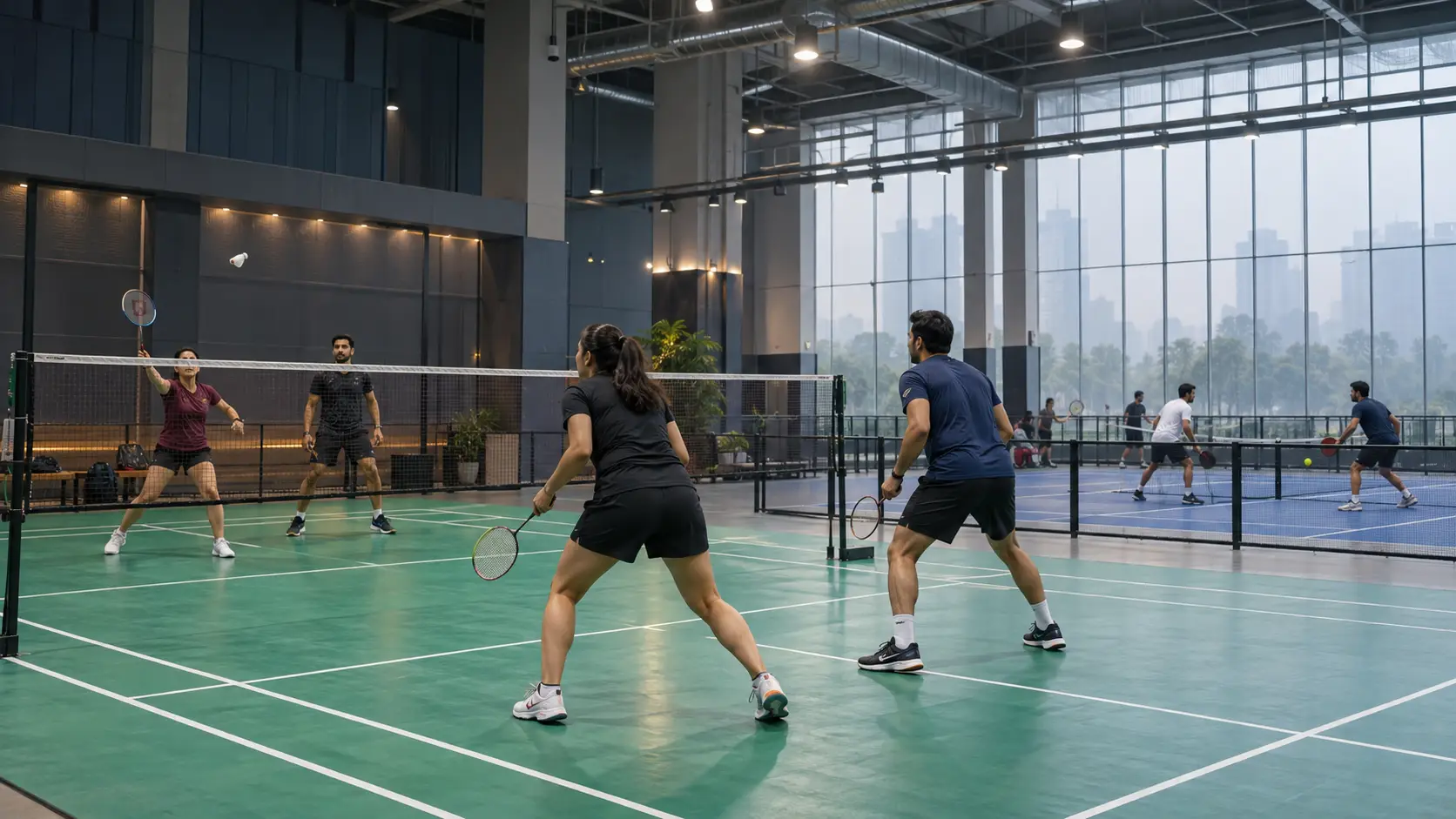
The foundation of any elite badminton training facility is the quality of its court surfaces. World class facilities use professional grade synthetic or wooden courts that provide optimal grip, controlled slide, and effective shock absorption.
Proper shock absorption reduces stress on ankles, knees, and lower back, lowering the risk of overuse injuries. It also allows players to train at high intensity with consistent footwork mechanics and confidence in movement.
Lighting, Ceiling Height, and Visual Clarity
Elite badminton facilities maintain uniform, glare free lighting across all courts. Proper lighting improves shuttle visibility, reaction time, and decision making during fast rallies.
Adequate ceiling height is equally important. High clearances allow players to execute attacking shots such as clears and lifts without hesitation, supporting realistic match play conditions during training.
Space, Ventilation, and Climate Control
World class training environments prioritise airflow and temperature control to maintain consistent playing conditions. Poor ventilation can lead to early fatigue, reduced focus, and discomfort during long sessions.
Controlled climate and spacious layouts help players sustain training intensity while supporting recovery between drills and matches.
Coaching Systems and Training Methodology
Structured Coaching Frameworks for Long Term Development
A defining characteristic of a world class badminton training facility is the presence of a structured coaching framework rather than isolated coaching sessions. Elite facilities follow long term athlete development models that outline clear progression pathways for beginners, intermediate players, and high performance athletes.
Training plans are periodised, goal oriented, and aligned with competition calendars. This structured approach ensures that technical skills, physical conditioning, and tactical understanding develop together instead of in isolation.
Coach Quality Versus Coaching Systems
While experienced coaches are essential, world class facilities do not rely solely on individual expertise. Instead, they operate with standardised methodologies, shared training principles, and consistent evaluation systems.
This allows players to receive uniform guidance across sessions and reduces dependency on a single coach. Facilities that combine expert coaches with system-driven training environments create more reliable and scalable performance outcomes.
Exposure to Competitive Training Environments
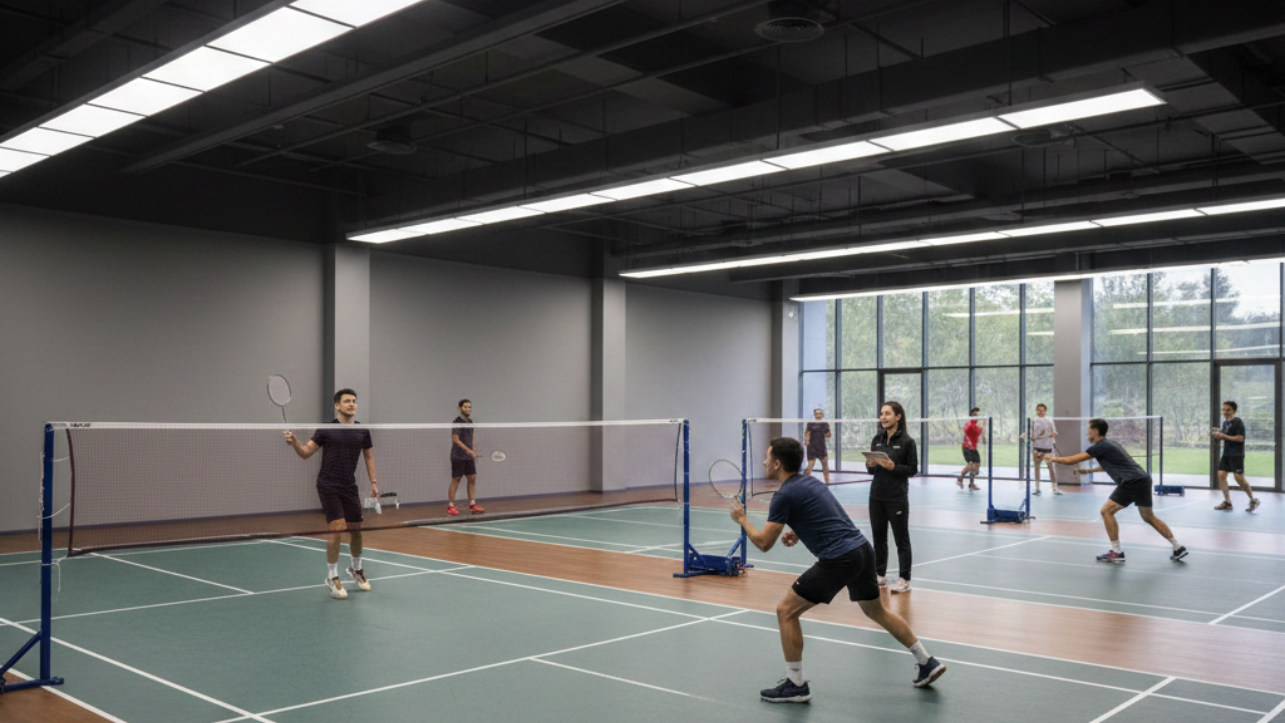
Elite badminton facilities replicate match intensity during regular training through internal competitions, challenge matches, and performance-based groupings. This exposure helps players adapt to pressure and maintain composure during competitive play.
Large multi-court venues such as the Noida Indoor Stadium badminton facility provide the space and match-like environment needed for structured group training, internal leagues, and tournament simulations.
Coach to Player Ratio and Personalised Feedback
World class training facilities maintain an optimal coach to player ratio to ensure quality supervision and individual feedback. Personalised correction of footwork, stroke mechanics, and tactical decisions accelerates learning and reduces the risk of ingrained errors.
High performance centres like the Rackonnect Next Level Badminton Arena in Noida Sector 45 support this approach by offering dedicated training zones, structured batches, and controlled session flow that allow coaches to focus on athlete development rather than crowd management.
Strength, Conditioning, and Injury Prevention
Badminton Specific Strength Training
World class badminton training facilities integrate strength and conditioning programs designed specifically for the physical demands of the sport. Unlike generic gym routines, badminton focused strength training targets explosive power, agility, balance, and joint stability.
Exercises are tailored to support rapid changes of direction, repeated lunging, jumping, and deceleration. This improves on-court efficiency while reducing unnecessary strain on muscles and joints.
Load Management and Periodisation
Elite facilities carefully manage training load to balance performance improvement and injury prevention. Sudden spikes in training intensity or volume are a leading cause of overuse injuries in badminton.
World class environments follow structured periodisation models that adjust training stress across weeks and months. This ensures athletes peak at the right time while maintaining long-term physical health.
Injury Prevention as a Core Training Principle
Rather than reacting to injuries, top training centres prioritise prevention. Regular mobility work, stability exercises, and corrective training help identify and address movement imbalances before they lead to breakdowns.
Warm-up protocols, cooldown routines, and recovery sessions are treated as essential components of training rather than optional add-ons.
Access to Recovery and Rehabilitation Support
World class badminton facilities provide access to recovery resources such as physiotherapy, massage, and guided rehabilitation programs. This allows athletes to address minor issues early and maintain training consistency.
Efficient recovery systems reduce downtime, support faster return to play, and help athletes sustain high training loads over extended periods.
Sports Science and Performance Monitoring
Data Driven Physical and Technical Assessment
World class badminton training facilities rely on sports science to move beyond guesswork. Regular fitness testing, movement screening, and technical assessments help coaches understand each athlete’s strengths, limitations, and injury risk profile.
Performance data allows training plans to be adjusted objectively, ensuring that players receive the right stimulus at the right time rather than following a one-size-fits-all approach.
Match Analysis and Tactical Development
Elite facilities use match analysis and video review to improve decision making and tactical awareness. Analysing shot selection, rally patterns, and opponent tendencies helps players develop smarter game plans.
This structured review process accelerates learning and allows athletes to correct mistakes more effectively than relying on memory or subjective feedback alone.
Monitoring Fatigue and Recovery
Tracking workload, recovery markers, and perceived exertion helps prevent overtraining. World class environments recognise that consistent performance depends on managing fatigue as carefully as training intensity.
By monitoring these variables, facilities ensure players remain physically and mentally fresh across long training cycles and competitive seasons.
Athlete Environment and Training Culture
Discipline, Accountability, and Professional Standards
World class training facilities establish clear expectations around punctuality, effort, behaviour, and commitment. These standards create a professional environment that mirrors elite competition settings.
Consistency in discipline helps athletes develop habits that translate directly to match situations and long-term performance.
Psychological Safety and Mental Development
Elite facilities balance high standards with psychological safety. Athletes are encouraged to make mistakes, learn from them, and improve without fear of excessive criticism.
This environment supports confidence, resilience, and long-term motivation, which are essential for sustained development.
Internal Competition and Performance Exposure
Regular internal matches, ranking ladders, and challenge sessions expose athletes to pressure in a controlled environment. This helps players develop match toughness and adaptability.
Such exposure ensures that competitive stress becomes familiar rather than overwhelming when athletes enter tournaments.
Operational Excellence in Elite Training Facilities
Scheduling, Session Flow, and Court Availability
Operational efficiency is a defining feature of world class facilities. Well-planned schedules minimise downtime and ensure smooth transitions between sessions.
Reliable court availability allows athletes to maintain consistent training routines without disruption, supporting long-term progression.
Equipment Quality, Hygiene, and Maintenance
Elite facilities maintain high standards of cleanliness, equipment quality, and court maintenance. Poor hygiene or damaged equipment can distract athletes and increase injury risk.
Attention to these details reflects a commitment to athlete wellbeing and professionalism.
How to Identify a World Class Badminton Training Facility
Professional grade courts with proper lighting, ceiling height, and ventilation.
Structured coaching systems with clear development pathways.
Integrated strength, conditioning, and injury prevention programs.
Use of sports science and performance monitoring tools.
A disciplined yet supportive training culture.
Efficient operations that allow uninterrupted training cycles.
Conclusion
A world class badminton training facility is defined by more than physical infrastructure. It represents a complete performance ecosystem where coaching systems, sports science, athlete culture, and operational excellence work together.
Choosing the right training environment can significantly influence an athlete’s development, consistency, and long-term success. Facilities that prioritise holistic development provide players with the foundation needed to reach their full potential.
For players and parents, understanding these defining factors makes it easier to evaluate training options and invest in environments that truly support high performance badminton.
Frequently Asked Questions
What is the most important feature of a world class badminton training facility
The most important feature is an integrated training system that combines quality infrastructure, structured coaching, sports science, and a professional athlete environment.
Do world class facilities only cater to elite players
No, many elite facilities support players at different stages while following structured development pathways suited to each level.
How does facility quality affect injury prevention
Proper court surfaces, lighting, conditioning programs, and recovery systems significantly reduce injury risk and support long-term athlete health.
Is sports science necessary for badminton training
Sports science enhances training efficiency, load management, and performance tracking, making it a key component of elite development.
Can a facility make a difference even for young players
Yes, early exposure to structured environments and good training habits plays a major role in long-term skill development and performance consistency.