Key Takeaways
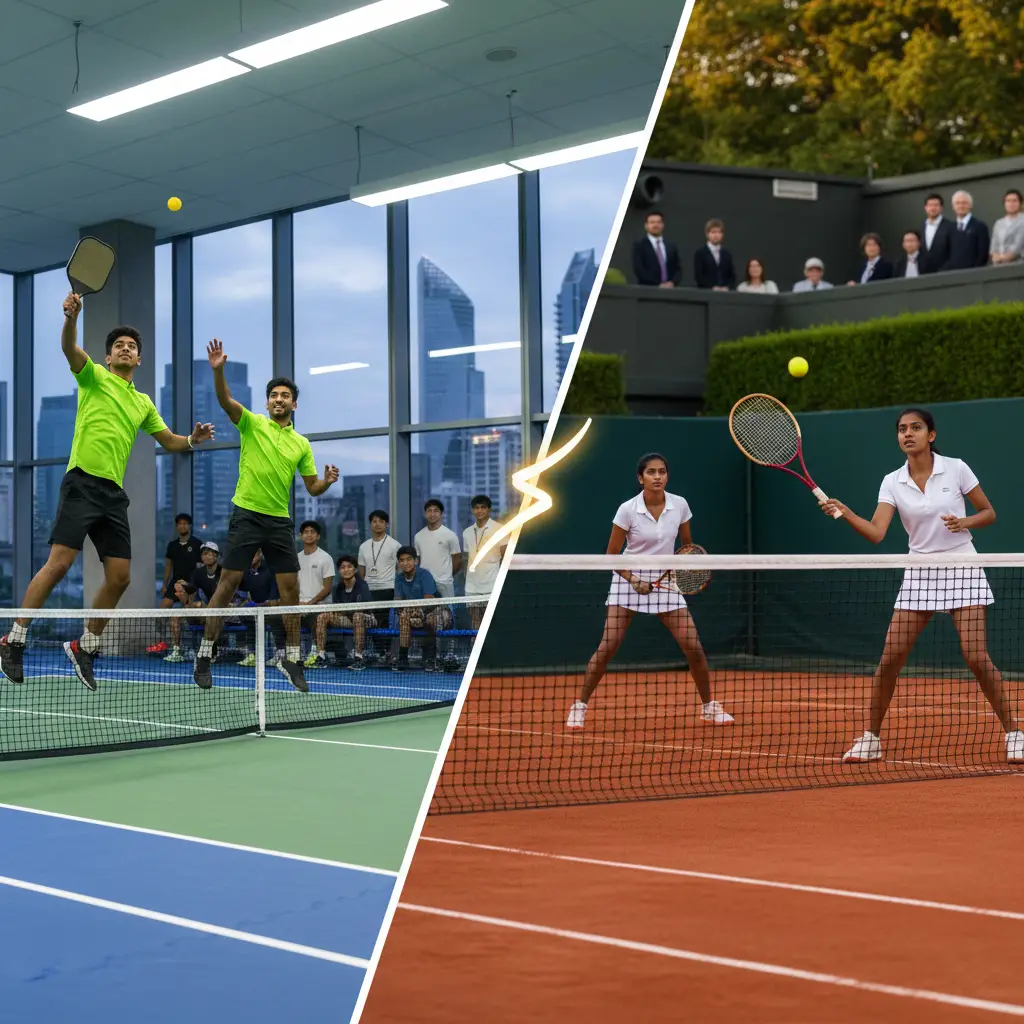
Pickleball is growing faster than tennis among Indian youth due to lower cost, smaller court size, and faster learning curve.
Short session formats and social doubles play appeal strongly to Gen Z and millennials.
Rapid infrastructure expansion has made pickleball courts more accessible across metros.
Venue flexibility allows schools, clubs, and indoor facilities to adopt pickleball quickly.
Organised tournaments and ranking pathways are accelerating youth participation.
Introduction
India’s sports landscape is evolving rapidly, and one of the most noticeable shifts is the explosive rise of pickleball among young players. While tennis has long been established as a premium racket sport, pickleball is expanding at a significantly faster rate across urban centres, residential societies, schools, and sports complexes.
The question is no longer whether pickleball is growing. The real question is why it is growing faster than tennis among Indian youth. The answer lies in accessibility, cost efficiency, social appeal, and ease of adoption.
The Growth Numbers Tell the Story
Over the past two years, India has witnessed a rapid increase in pickleball courts across major cities. Multi-sport complexes, indoor arenas, and community facilities are converting existing spaces to accommodate pickleball due to its compact court dimensions and lower setup cost.
This rapid expansion has made it easier for young players to discover and try the sport. Unlike tennis, which requires larger infrastructure investment and dedicated courts, pickleball can be introduced quickly within existing sports ecosystems.
Why Pickleball Is Easier to Start Than Tennis
Shorter Learning Curve
Pickleball allows beginners to rally within the first session. The paddle design, lighter ball, and smaller court make it less technically demanding at the entry level.
In contrast, tennis often requires longer coaching cycles before players feel confident sustaining rallies. For youth who prefer instant engagement and visible progress, pickleball delivers faster gratification.
Lower Equipment and Entry Cost
The cost of starting pickleball is significantly lower than tennis. Paddles are affordable, and court time is often more accessible in urban centres.
For players searching for accessible playing options, platforms like pickleball courts in Delhi make it easier to book sessions without long waiting lists or high membership fees.
Accessibility and Venue Flexibility
Smaller Court, Bigger Opportunity
A pickleball court occupies less space than a tennis court. This allows schools, societies, and indoor facilities to integrate multiple courts within limited areas.
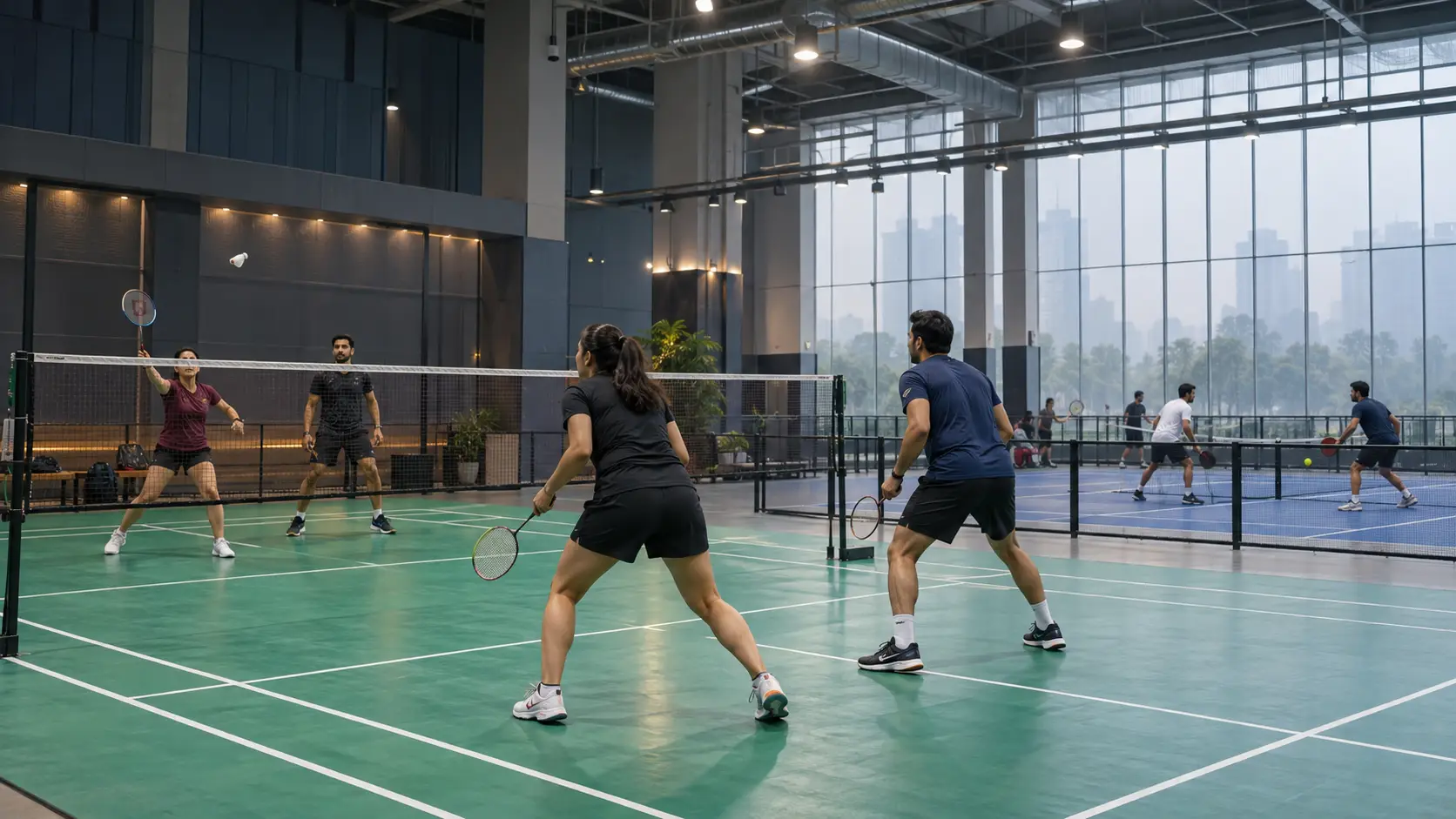
Sports complexes that already host badminton or multi-use courts can adapt quickly. This flexibility accelerates growth compared to tennis, where infrastructure limitations slow expansion.
Indoor and All-Weather Play
Many youth players prefer indoor environments that allow consistent play throughout the year. Indoor venues listed on Rackonnect provide structured booking systems and accessible time slots, supporting regular participation.
Social Appeal and Community Culture
Designed for Social Interaction
Pickleball is inherently social. Doubles play is common, rotations are frequent, and players of varying skill levels can participate together. This aligns perfectly with youth culture that values community-driven activities.
Short Sessions Fit Urban Lifestyles
Matches are shorter and less physically draining than full tennis matches. This allows students and working professionals to integrate the sport into busy schedules.
Booking quick sessions through organised platforms such as premium pickleball venues simplifies access and encourages repeat play.
Organised Events and Competitive Pathways
India has seen a surge in pickleball tournaments, corporate leagues, and youth competitions. These structured events provide aspirational pathways for young athletes without requiring years of foundational training.
The rapid establishment of ranking systems and championships has given youth clear performance milestones, further accelerating adoption.
Barriers Slowing Tennis Growth Among Youth
Higher Skill Barrier
Tennis demands advanced coordination, strength, and endurance even at beginner levels. This can discourage early-stage players who seek quicker progress.
Infrastructure Constraints
Tennis courts require more land, higher maintenance, and structured memberships. This limits spontaneous play and reduces accessibility in densely populated cities.
Longer Development Timeline
Youth players often need months of coaching before feeling competitive in tennis. Pickleball compresses this timeline significantly.
What Clubs and Schools Should Do
Introduce pilot pickleball courts within existing sports facilities.
Host weekend youth festivals and beginner workshops.
Leverage structured booking platforms to manage participation efficiently.
Create ladder systems and mini-leagues to sustain engagement.
Future Outlook: Coexistence or Competition
Pickleball’s rapid rise does not eliminate tennis. Instead, it introduces a complementary entry point into racket sports. Many youth players may begin with pickleball and later transition into tennis or badminton.
However, current momentum suggests pickleball will continue expanding faster in urban youth segments due to its operational flexibility and social appeal.
Conclusion
Pickleball growth is faster than tennis among Indian youth because it lowers barriers to entry while maximising enjoyment and accessibility. Smaller courts, lower costs, social play formats, and organised competition pathways create a compelling ecosystem for young players.
For those looking to explore the sport, discover and book courts easily through Rackonnect and start playing at verified venues across major cities
Frequently Asked Questions
Why is pickleball more popular than tennis among youth in India
Pickleball is easier to learn, requires less space, and is more affordable, making it highly accessible to young players.
Is pickleball cheaper than tennis in India
Yes, equipment and court booking costs are generally lower compared to tennis.
Can tennis courts be converted into pickleball courts
Yes, tennis courts can be adapted to accommodate pickleball with minimal modifications.
Where can youth players book pickleball courts
Youth players can find and book courts through structured venue platforms offering verified listings and easy scheduling options.
Will pickleball replace tennis in India
Pickleball is expanding rapidly, but both sports are likely to coexist and serve different segments of players.