
You have probably seen it by now. A court that looks like tennis shrunk and put inside a glass box, players smashing balls off the walls, and half your Instagram feed suddenly calling themselves padel people. Padel is the fastest growing sport in the world right now, and India has caught the bug properly, with new courts opening across Delhi, Mumbai and Bangalore every few months.
So what exactly is this sport, how do the walls work, and how do you actually try it? This guide covers everything, from the rules and court to booking your first game at the padel courts in Delhi.
What Is Padel, Exactly?
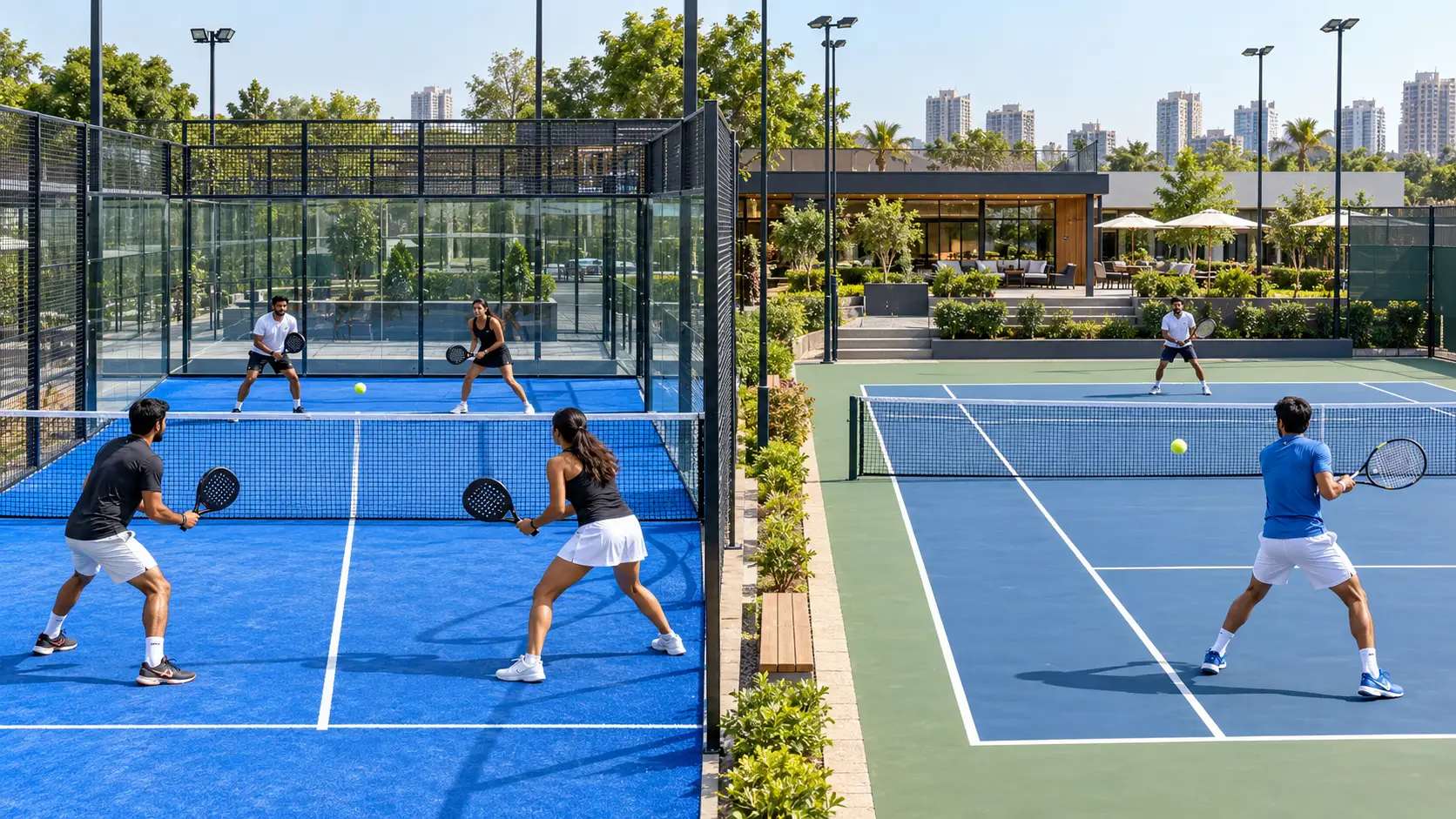
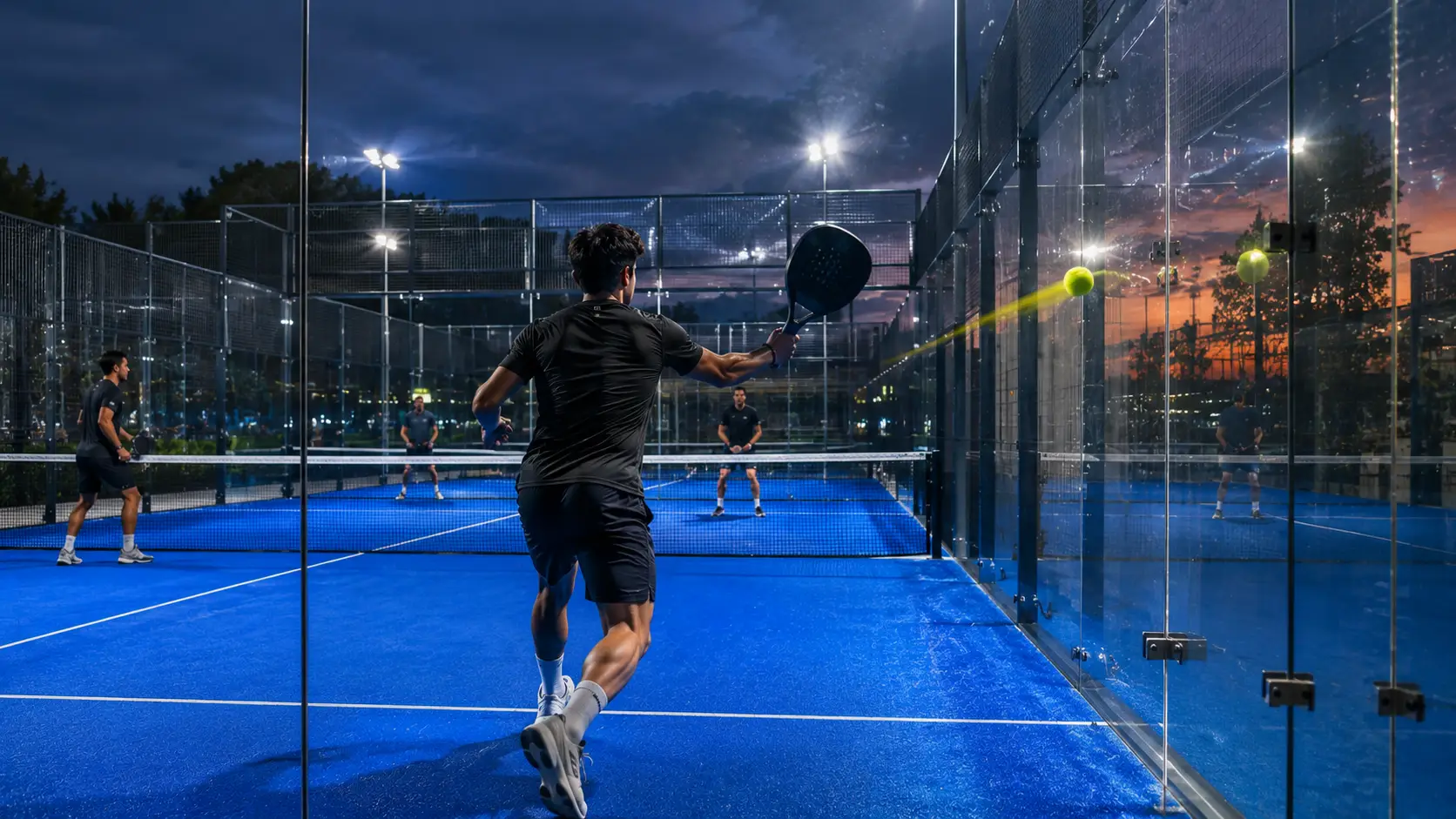
Padel is a racket sport that sits somewhere between tennis and squash. It is almost always played in doubles, on an enclosed court about a third the size of a tennis court, surrounded by glass and mesh walls. Here is the twist that makes it addictive. The walls are part of the game. A ball that bounces on your side and hits the back glass is still live, so rallies keep going long after they would have ended in tennis.
The sport was born in Mexico in the late 1960s, exploded across Spain and Argentina, and is now played by tens of millions of people worldwide. It reached India properly in the last few years, and the growth curve here looks exactly like Spain's did, which tells you where this is heading.
The Padel Court
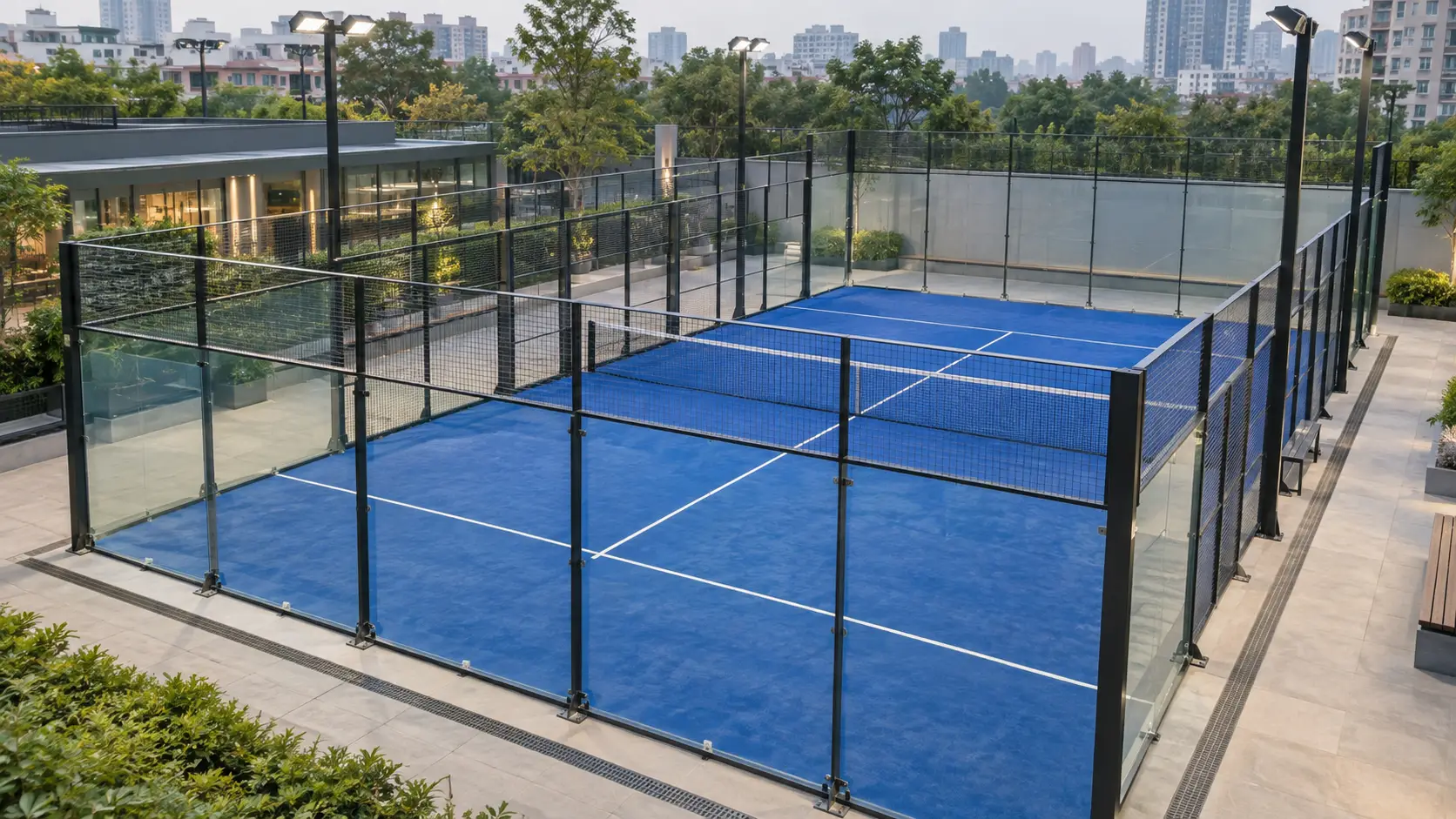
A padel court is 20 metres long and 10 metres wide, roughly a third of a tennis court's area, enclosed by glass walls at the back and a mix of glass and metal mesh on the sides. The surface is artificial turf with a sand infill, softer on the knees than hard courts, and the net sits slightly lower than a tennis net. Good courts, like the panoramic imported ones at REPPP in Mehrauli, use full glass backs so spectators can watch rallies from courtside, which is half the fun of the sport's social culture.
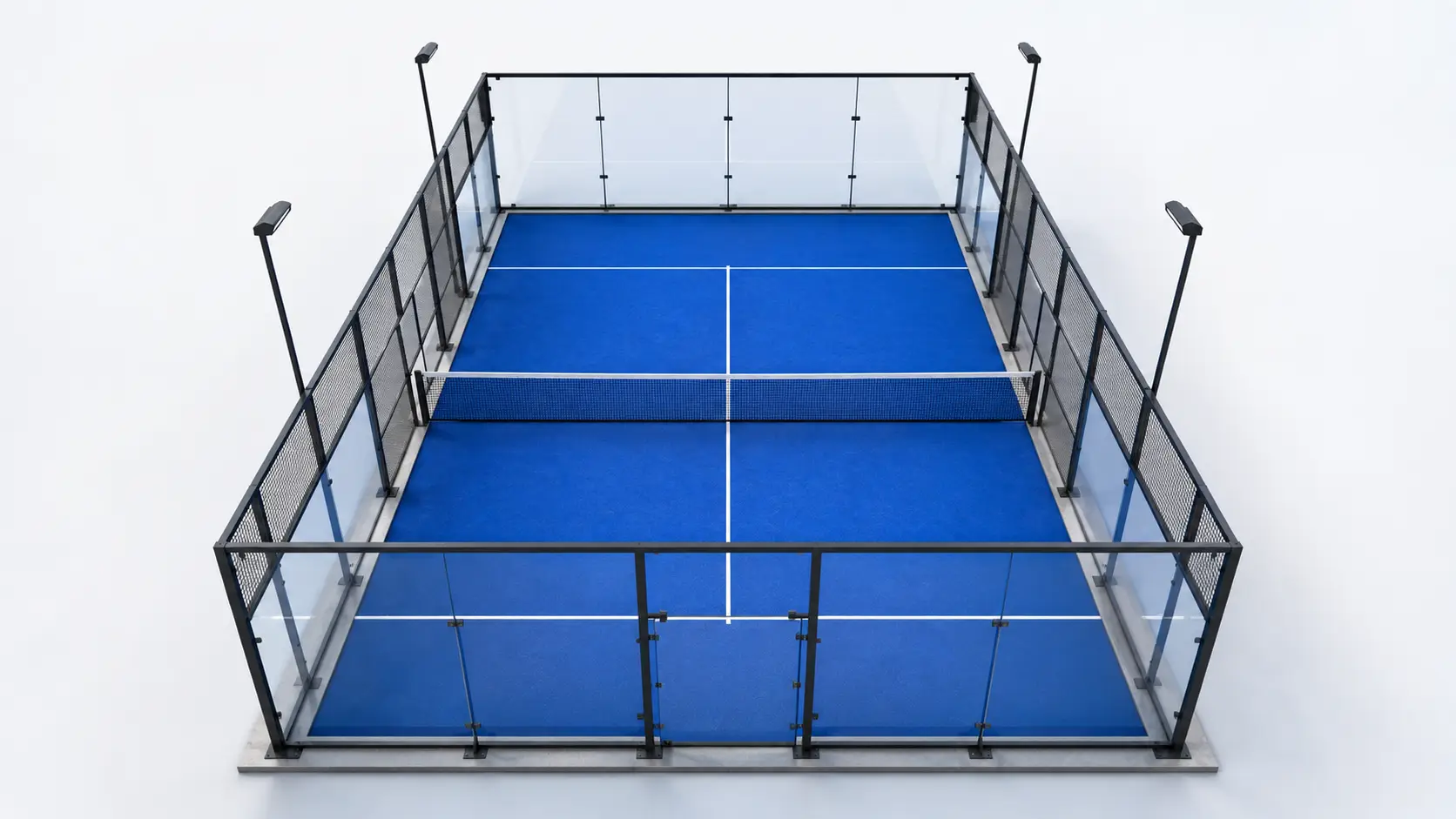
The Equipment: No Strings Attached
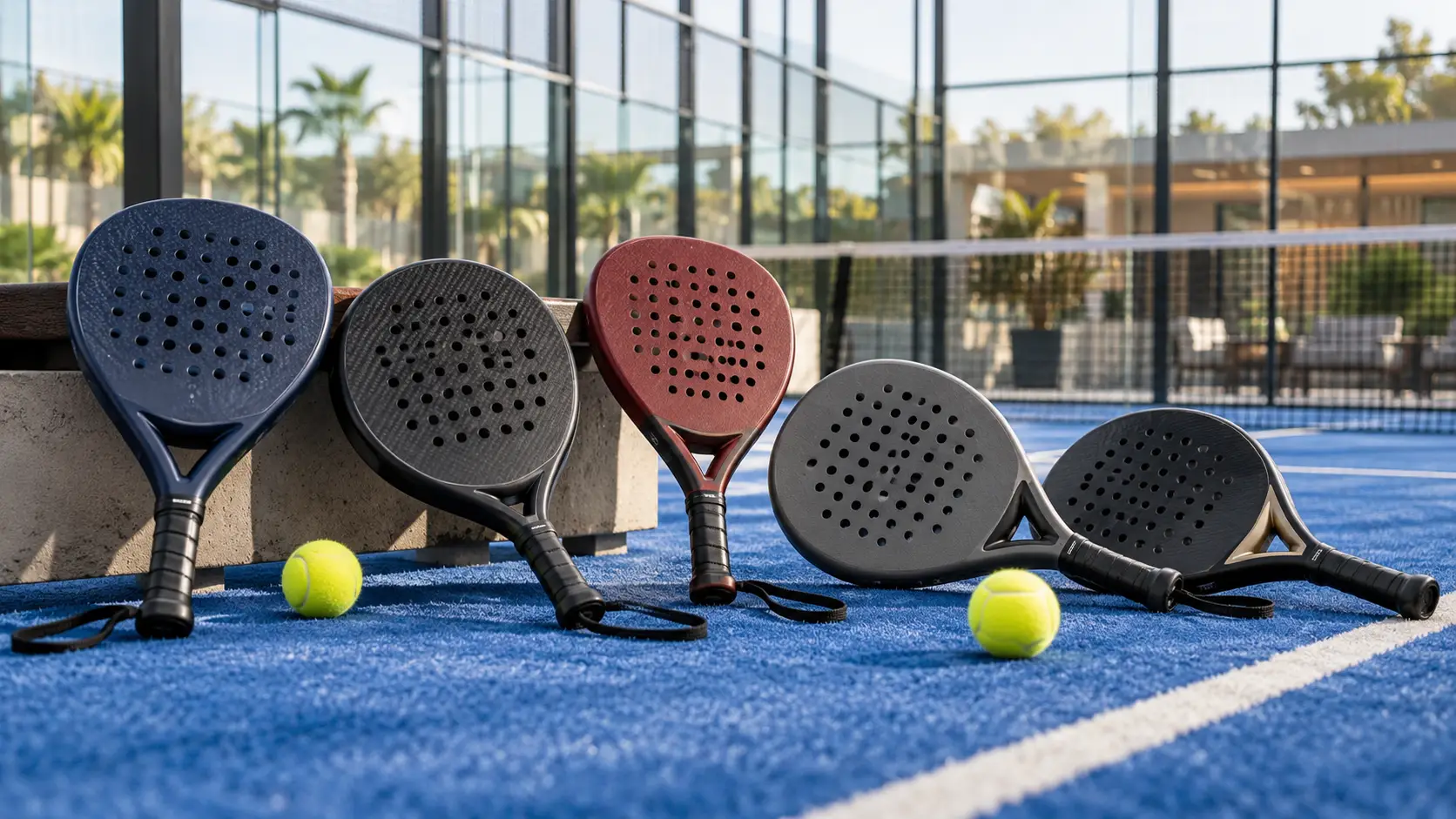
Padel rackets look nothing like tennis rackets. They are solid, stringless bats with a perforated foam and carbon face, shorter and easier to control than a tennis racket. The ball looks like a tennis ball but has slightly lower pressure, which keeps bounces manageable inside the enclosed court. As a beginner you need to buy nothing, since rental rackets and balls are available at the venue.
Padel Rules Made Simple
Doubles only, almost always. Four players, two per side, which is a big part of why the sport is so social.
Underarm serve. Bounce the ball once and serve below waist height, diagonally, like in tennis. No overhead smashed serves, so rallies start gently.
Tennis scoring. 15, 30, 40, game. Sets and matches work like tennis, so if you have ever watched Wimbledon you already know the scoreboard.
One bounce, then walls are live. The ball must bounce on the ground first, after which it can rebound off the glass and stay in play. Hitting the ball directly into your opponent's wall before it bounces is a fault.
Volleys are allowed everywhere except on the serve return. Net play is where padel points are won.
That is genuinely most of it. The wall rebounds feel strange for about fifteen minutes, and then something clicks and you start using the glass on purpose. That moment is when most people get hooked.
Why Padel Is Exploding in India
Three reasons. First, the learning curve is kind. The underarm serve, smaller court and stringless racket mean complete beginners enjoy their very first game, unlike tennis where the first month is mostly collecting balls. Second, it is social by design. Doubles format, enclosed court, constant chatter and rallies long enough to laugh mid-point. Third, it carries a certain style. The sport arrived in India through a wave of well designed venues, and playing padel has become as much a social plan as a workout.
If you are wondering how it compares with the other sport everyone is suddenly playing, our breakdown of padel vs pickleball in India settles the dinner table debate.
How to Start Playing Padel in India
1. Book a court online. In Delhi, REPPP in Mehrauli runs three panoramic international standard courts near Qutub Minar Metro, and REPPP Vamoss in South Extension covers the other side of South Delhi. Slots are booked per court, so gather three friends and split the cost four ways.
2. Rent gear at the venue. Rackets and balls are available, so your first sessions cost nothing beyond the court.
3. Take one coaching session early. Padel technique is easy to learn and easy to learn wrong. A single session with a coach on grip, wall play and positioning through the venue's coaching programs accelerates you past months of trial and error.
4. Join the community. Social play evenings and tournaments run regularly, and padel communities are famously welcoming to new players hunting for a fourth.
FAQs: Padel in India
Is padel the same as pickleball?
No. Padel is played on an enclosed glass court with a stringless racket and tennis scoring, while pickleball uses an open court, a flat paddle and its own scoring system. Both are easy to learn, but they feel very different to play.
Is padel hard for beginners?
It is one of the easiest racket sports to start. The underarm serve and enclosed court keep rallies alive from your first game, and most beginners play full matches in their first session.
How many players do you need for padel?
Four. Padel is a doubles sport, though venues and coaches can help solo players find groups through social play sessions.
What does padel cost in India?
Courts are booked per slot and split between four players, which keeps the per person cost reasonable. Live slot prices are shown at booking, and daytime slots are usually the cheapest.
Where can I play padel in Delhi?
REPPP by Rackonnect in Mehrauli has three panoramic international standard courts about 250 metres from Qutub Minar Metro, and REPPP Vamoss in South Extension serves the South Ex and GK side of the city.
Try It Once. That Is All It Takes
Every padel regular has the same story. A friend dragged them for one game, the wall rebounds felt weird, then something clicked, and now their week is planned around court slots. Book a padel court in Delhi, bring three friends, and find out why the whole world is building glass boxes.