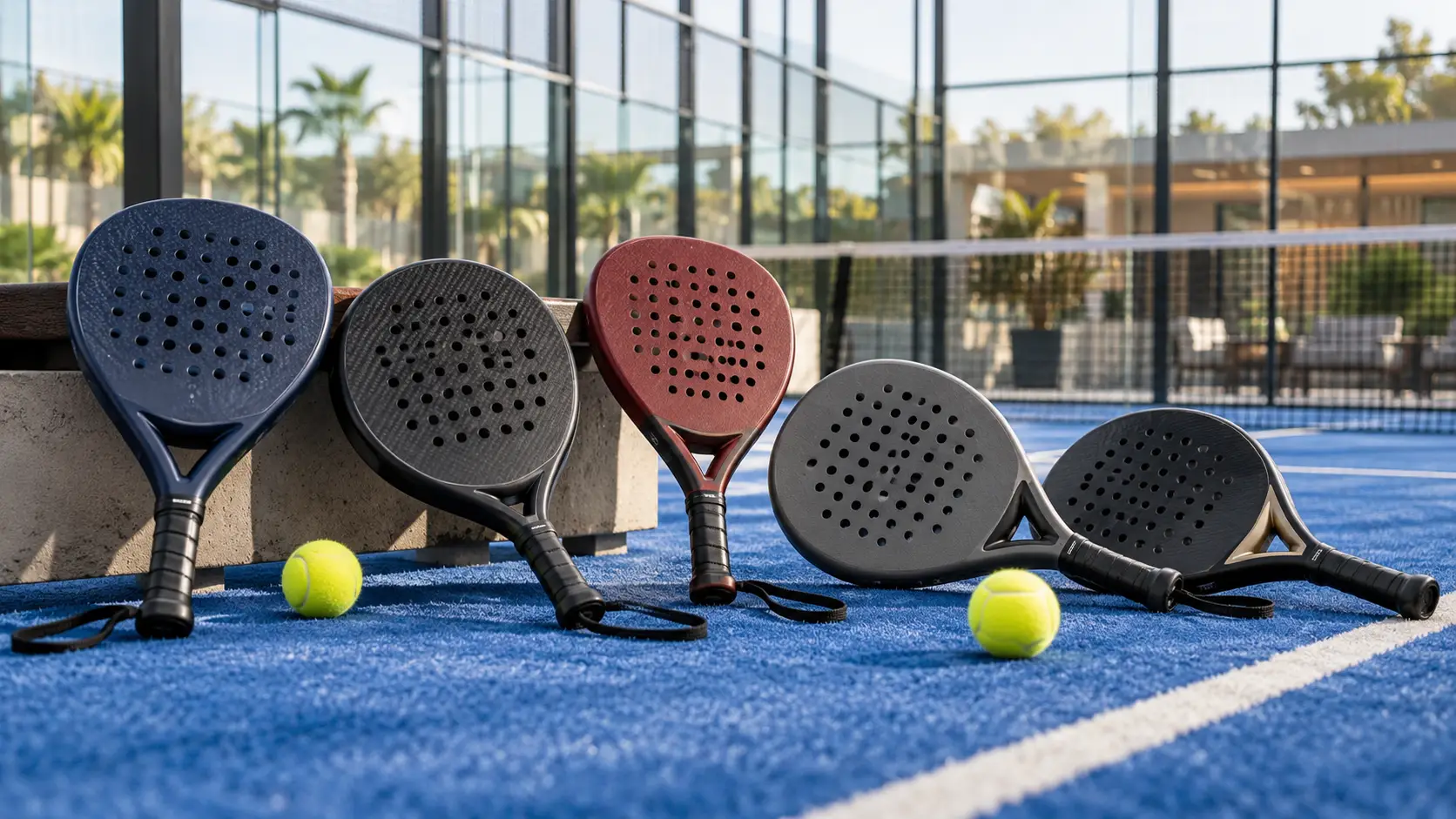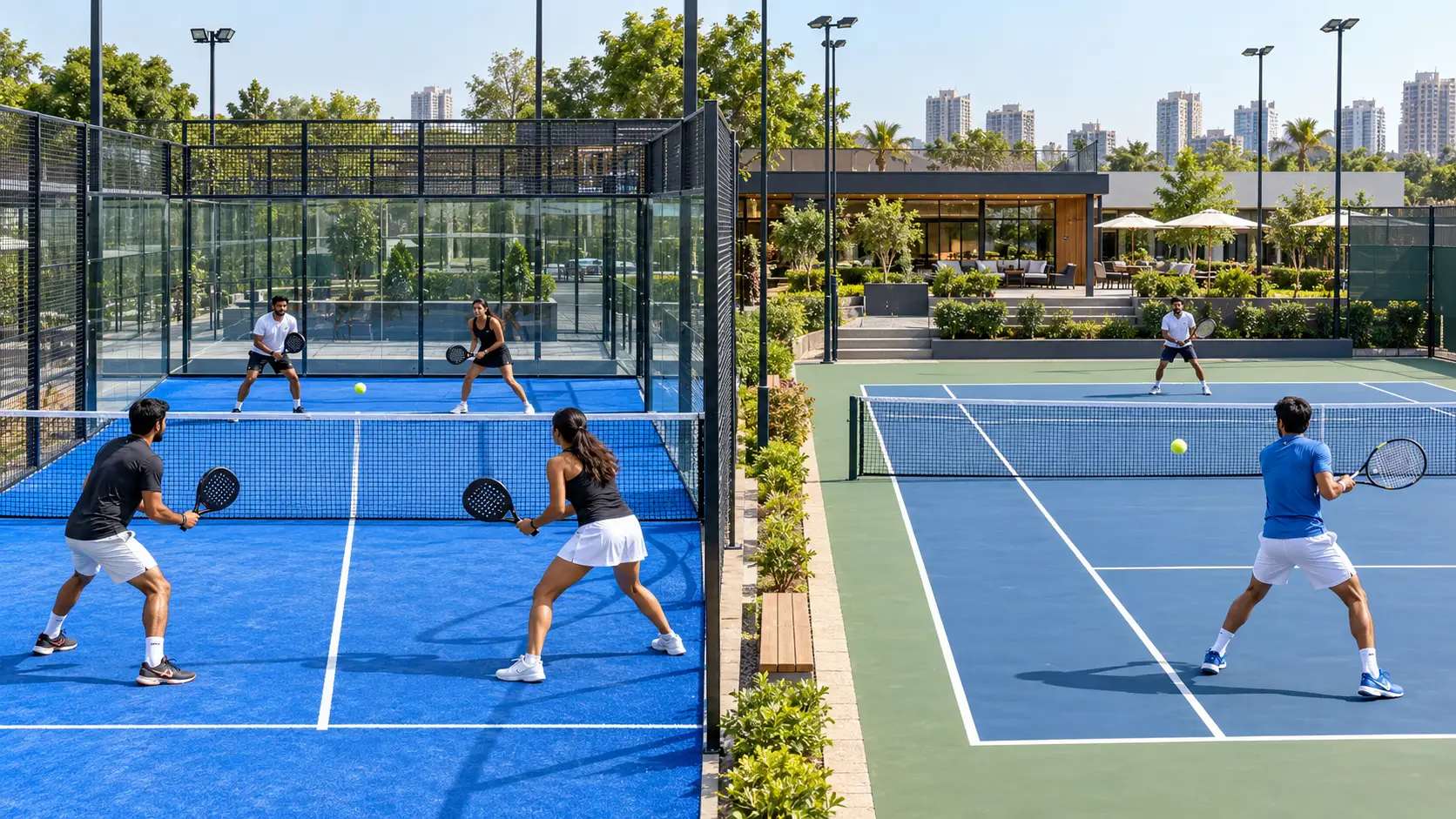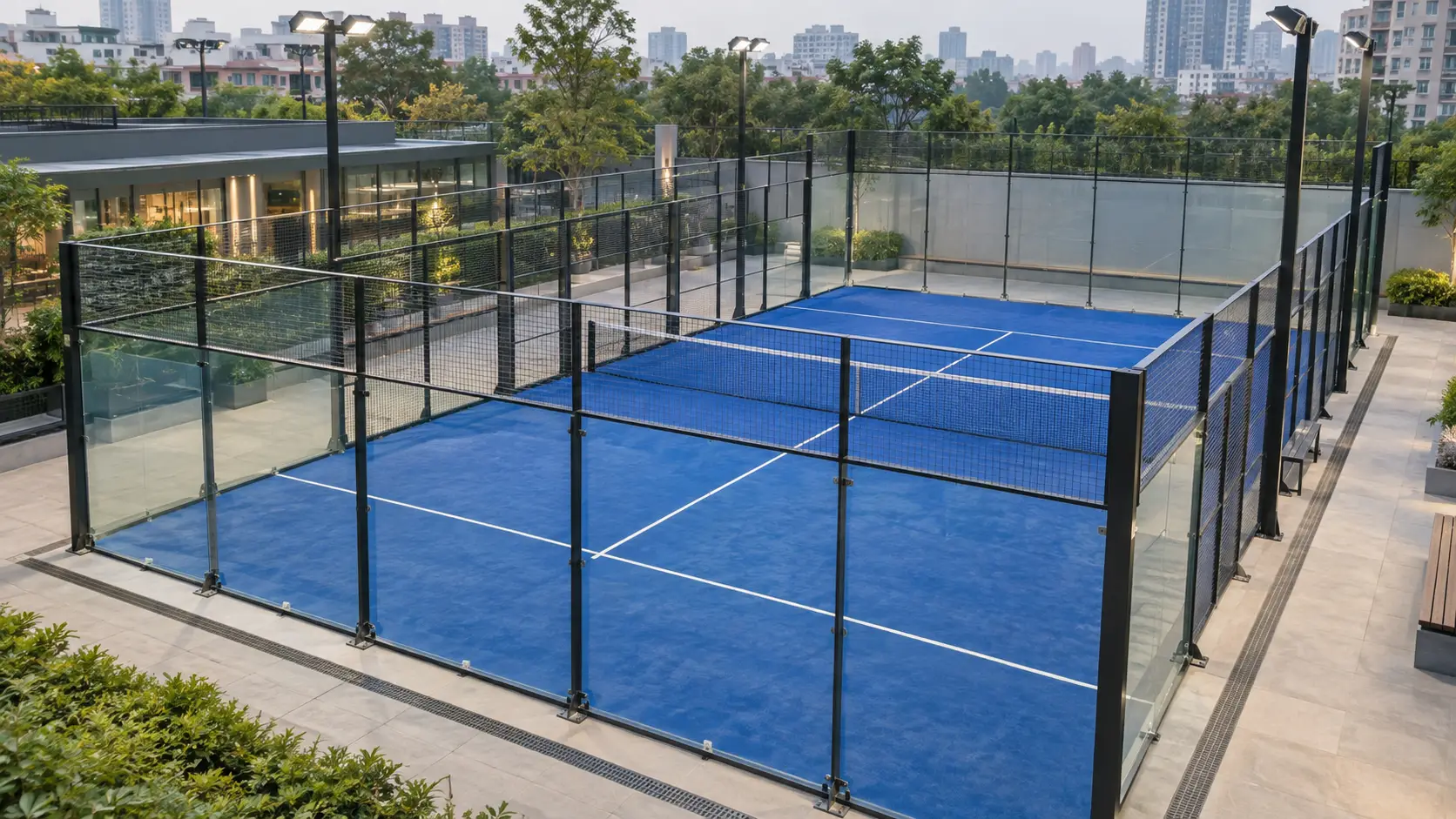
Padel is one of the fastest, most dynamic racket sports in the world, but stepping onto the court with the wrong gear can severely limit your control, power, and playing comfort. Unlike tennis or badminton rackets, padel rackets have no strings; they are solid composite structures featuring a perforated face and an internal foam core.
When shopping for a padel racket (or selecting rental gear at REPPP padel courts), the two most critical material choices you'll face are Carbon Fiber vs. Fiberglass.
In this equipment masterclass, we break down the engineering differences between racket face materials, racket head shapes, internal EVA foam densities, and why padel ball internal pressure dictates the speed and rebound of every match.
1. Carbon Fiber vs. Fiberglass Padel Rackets: What's the Difference?
The surface material (face) of a padel racket directly controls how much energy transfers from your swing into the ball and how much vibration reaches your arm.
Material Comparison Breakdown:
Fiberglass Rackets (Soft & Flexible): Flexible material that creates a "trampoline effect." Ideal for beginners and intermediate players seeking a forgiving sweet spot, arm comfort, and effortless ball output at low swing speeds.
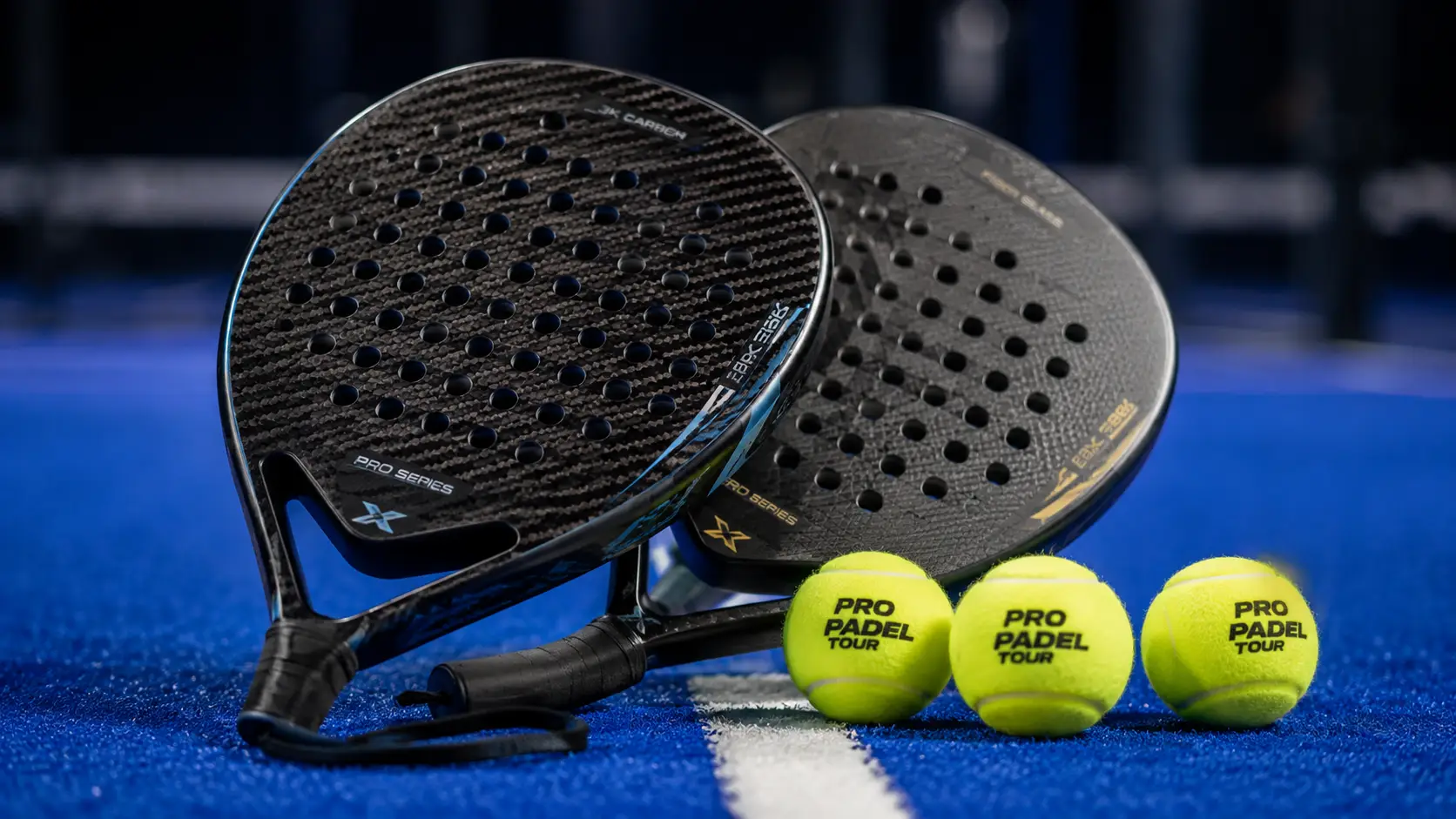
Carbon Fiber Rackets (Stiff & Explosive): Rigid, ultra-light material (ranging from 3K to 12K/18K carbon weaves). Designed for advanced players who demand maximum precision, structural durability, and explosive smash power.
Understanding Carbon Weaves (3K, 12K, 18K Explained)
When researching carbon fiber rackets, you'll notice ratings like 3K, 12K, or 18K. This refers to the number of carbon filaments woven into each thread (3K = 3,000 filaments per thread):
3K Carbon: Stiffer and more compact. Provides max control and firm ball contact.
12K Carbon: A balanced hybrid offering a medium-firm touch with good power output.
18K Carbon: Ultra-dense weave delivering maximum rigidity for high-level power hitters.
New to the Sport? Before picking an advanced racket, make sure you've mastered basic rules and court boundaries. Check out our beginner guide on what is padel, rules, and how to play in India.
2. Racket Geometry: Round, Teardrop, or Diamond Shape?
In addition to face material, the physical shape of a padel racket determines its weight distribution (balance) and sweet spot location:
Racket Shape | Weight Balance | Sweet Spot Location | Best Player Profile |
|---|---|---|---|
Round Shape | Low Balance (Handle-heavy) | Large & Centered | Beginners & Defensive Control Players |
Teardrop Shape | Medium Balance (Even) | Mid-Upper Face | Intermediate All-Around / Versatile Players |
Diamond Shape | High Balance (Head-heavy) | Small & High on Head | Advanced Power Attackers (Bandejas & Smashes) |
3. The Core Foam: Soft EVA vs. Hard EVA vs. FOAM
Inside the racket frame lies the core foam, which absorbs or reflects impact energy when striking the ball:
Soft EVA / FOAM Core: High vibration absorption, soft feel, and excellent ball exit speed on defensive shots. Highly recommended for players recovering from tennis elbow or joint wrist soreness.
Hard EVA Core: Denser rubber that absorbs less impact. Requires more physical swing effort, but rewards clean hits with immense power, placement accuracy, and high overhead control.
Shot Precision Tip: Ready to take your technical game to the next level with the right racket? Learn how to execute advanced overheads in our guide on how to use glass walls and master the Bandeja in padel.
4. Padel Balls vs. Tennis Balls: Internal Pressure Matters
At first glance, a padel ball looks identical to a standard yellow tennis ball, but using a tennis ball on a padel court is a major mistake!
Why Padel Ball Pressure is Unique:
Padel balls are engineered with lower internal gauge pressure (10–11 psi) compared to tennis balls (14+ psi). Lower internal pressure makes the padel ball bounce lower, travel slightly slower, and remain controllable inside an enclosed glass court environment.
Key Differences: Padel Balls vs. Tennis Balls
Internal Pressure: Padel balls (approx. 10–11 psi) vs. Tennis balls (approx. 14–15 psi).
Rebound Height: When dropped from a height of 2.54 meters onto concrete, an official padel ball must bounce between 135 cm and 145 cm. A tennis ball bounces much higher and faster, making glass wall play dangerously unpredictable.
Ball Diameter & Felt: Padel balls are slightly smaller in diameter and feature thicker felt hair to increase air resistance during rallies.
Curious how padel compares to other popular racket sports in India? Read our full breakdown comparing padel vs pickleball in India.
Test & Rent Premium Padel Gear at REPPP
Not sure whether a round fiberglass racket or a teardrop carbon fiber racket suits your playing style best? At REPPP by Rackonnect, you can rent pro-grade demo rackets and play with fresh, official pressurized padel balls on panoramic indoor courts.
Check out our guide on padel court booking prices in Delhi NCR to reserve court time, test different equipment, and elevate your game today!
Frequently Asked Questions (FAQs)
Q1. Which padel racket is best for a complete beginner?
A round-shaped fiberglass racket with a soft EVA foam core is best for beginners. It provides a large sweet spot, comfortable ball exit speed, and minimizes joint vibration on off-center hits.
Q2. How long does a carbon fiber padel racket last?
With regular play (2–3 times a week), a quality carbon fiber racket lasts between 12 to 18 months. Carbon fiber maintains structural stiffness much longer than fiberglass, though intense glass wall clashes can shorten its lifespan.
Q3. Can I play padel using a standard tennis ball?
No. Standard tennis balls have higher internal pressure, making them bounce too high and fly too fast off the glass walls. Always use official pressurized padel balls for proper game safety and bounce predictability.
Q4. How often should padel balls be replaced?
For optimal pressure and felt quality, competitive players change padel balls every 3 to 4 matches. Pressurized ball saver canisters can help extend ball life for casual recreational games.
Gear Up & Hit the Courts
Experience top-tier padel rackets, official pressurized balls, and panoramic glass courts at REPPP by Rackonnect!