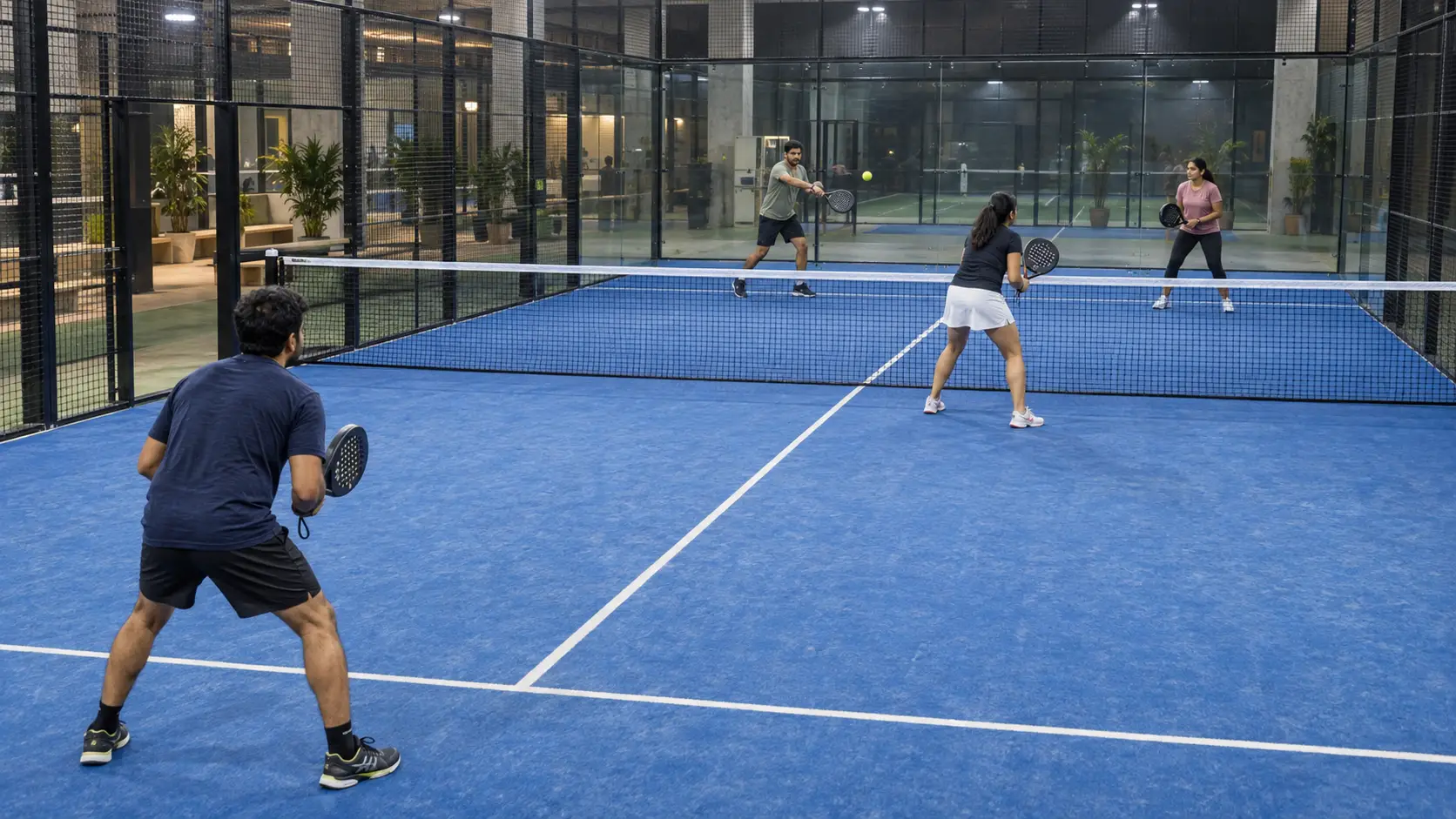
Your first few padel matches can feel wonderfully chaotic. The ball rebounds from the glass, both players chase the same shot, and a gentle lob somehow causes more trouble than the hardest smash of the evening.
That confusion is normal. Padel looks familiar to anyone who has played tennis, badminton or pickleball, but the court rewards different decisions. Beginners often bring habits from other racket sports and discover that power alone does not solve much inside a glass enclosure.
This guide covers 11 common padel mistakes beginners make during their first few matches. More importantly, it explains how to correct them without turning every casual game into a tactical lecture.
1. Trying to Hit Every Ball as Hard as Possible
The most common beginner mistake is treating every comfortable ball as an invitation to smash. Hard shots can be useful, but uncontrolled power creates errors and gives opponents easy rebounds from the back glass.
Padel often rewards placement, patience and changes of pace. A slower shot directed towards an opponent’s feet can be more effective than a flat drive hit directly into their racket.
How to improve: Aim for control before speed. Practise keeping ten consecutive balls in play using a compact swing. Once you can direct the ball consistently, add power when the position genuinely supports it.
2. Standing Too Close to the Net
Moving forward is important because teams at the net can volley and apply pressure. The problem begins when beginners stand almost on top of the net.
From that position, you have little time to react to a fast shot. You also leave a large area behind you for an opponent to exploit with a lob.
How to improve: Keep enough distance from the net to move forward for a low ball or backwards for a lob. The correct position changes during the rally, so avoid treating one spot as permanent.
3. Leaving Your Partner Behind
Padel doubles works best when partners move as a unit. One player should not charge towards the net while the other remains near the back wall unless the rally creates a temporary exception.
A split formation leaves a large diagonal gap. Opponents can direct the ball between both players, and neither person is certain who should take it.
How to improve: Imagine an invisible rope connecting you and your partner. When one player moves forward, backwards or sideways, the other should adjust in the same general direction while maintaining useful spacing.
4. Ignoring the Back Glass
Beginners often try to strike every ball before it reaches the back wall. This leads to hurried contact, awkward swings and poor balance.
The glass is not an obstacle to fear. It can give you more time by slowing or redirecting a deep shot after the bounce. Allowing the ball to reach the wall can produce a more comfortable contact point.
How to improve: During practice, let selected deep balls bounce and rebound from the back glass. Move away from the wall, watch the ball’s path and prepare a controlled return. Do not stand directly against the glass and hope geometry becomes charitable.
For a deeper explanation of rebound play, read Rackonnect’s guide to using the glass walls and playing the bandeja.
5. Running Backwards to Chase a Lob
When an opponent sends a lob overhead, many beginners face the net and run backwards. This is slow, unstable and makes it difficult to judge the ball.
It also increases the risk of losing balance or colliding with the glass. A safer and more effective response is to turn your body and move towards the back court with controlled side steps or a crossover pattern.
How to improve: Practise turning as soon as you recognise a deep lob. Move to the side of the ball and let it bounce or rebound when an overhead return is not comfortable.
6. Staying in the Middle of the Court
The area between the net position and the defensive back-court position is often called the transition zone. Beginners frequently remain there because it feels safely distant from both the net and the walls.
Unfortunately, it is often the least comfortable place to defend. Balls arrive near your feet, volleys become difficult, and deep shots force hurried retreats.
How to improve: Make a clear decision. Move forward with your partner when your team has created time, or recover behind the service line when opponents are attacking. Pass through the middle area instead of setting up camp there.
7. Serving for Power Instead of Position
A padel serve is underarm and must follow specific bounce and contact rules. Beginners sometimes try to produce maximum speed and sacrifice placement in the process.
An inconsistent first serve creates unnecessary pressure. A well-placed serve towards the side glass or the receiver’s body can be more useful because it gives the serving team time to approach the net.
How to improve: Develop a repeatable service motion. Choose a target, keep the contact controlled and move forward after serving. The serve begins the tactical sequence. It is not an audition for the fastest shot of the evening.
If you are still learning the basic rules, start with Rackonnect’s guide on what padel is and how to play it.
8. Watching Your Own Shot
Beginners often remain still after making contact because they want to see whether the shot was successful. During that pause, the opponents are already preparing their reply.
Every shot should be followed by recovery. Your position must reflect where the ball has gone and what return is likely to come next.
How to improve: After hitting, return the racket to a ready position and adjust with your partner. If your shot pushes the opponents deep, move forward together. If you have played a weak ball, prepare to defend rather than admiring it.
9. Using a Large Tennis-Style Swing
Players with tennis experience often use a long backswing and heavy follow-through. On a compact padel court, that movement can be too slow and difficult to control.
Fast exchanges near the net leave little time for elaborate preparation. A shorter swing helps you react quickly and direct the ball with greater precision.
How to improve: Keep the racket prepared in front of your body. Use compact movements for volleys and defensive returns. Let the pace of the incoming ball do part of the work.
10. Failing to Communicate
A ball travelling between two beginners often produces one of two outcomes. Both players attempt it and nearly collide, or both assume the other person will play it and watch it pass untouched.
Communication becomes even more important when one player is facing the back wall and cannot see the opponents. Their partner has a better view and can help them understand where the open space is.
How to improve: Use short, clear calls such as “mine,” “yours,” “leave” or “lob.” Agree on who normally takes balls through the middle. Communicate early enough for your partner to react.
11. Choosing the Wrong Shot Under Pressure
Beginners often attempt a winner from a defensive position. A difficult ball near the back glass becomes a rushed drive, and the point ends before the team can recover.
When you are defending, the objective is often to regain time and improve your position. A controlled lob can push the opponents away from the net and allow your team to move forward.
How to improve: Match the shot to your position:
Use a lob when opponents are close to the net.
Play low towards their feet when they are moving forward.
Use the centre when you want to create confusion.
Return safely when you are stretched or off balance.
Attack only when the ball and your position support it.
A Simple Plan for Your First Five Padel Matches
You do not need to correct all 11 mistakes in one session. Choose one or two priorities for each match.
Match | Main Focus |
Match 1 | Keep the ball in play and learn the scoring system |
Match 2 | Move forward and backwards with your partner |
Match 3 | Allow suitable balls to rebound from the back glass |
Match 4 | Use clear communication and protect the middle |
Match 5 | Use lobs, controlled volleys and better shot selection |
This approach keeps improvement manageable. It also stops you from thinking about eleven instructions while a yellow ball approaches your forehead.
How Beginners Can Improve Faster
Play with the Same Partner Regularly
Consistent partnerships make movement and communication easier to develop. You begin to understand who prefers the forehand through the middle, who handles lobs and how quickly each person moves forward.
Practise Wall Rebounds Separately
Do not wait for a match to learn how the glass behaves. Ask a partner to feed slow balls towards the back wall and practise judging the rebound without trying to win the point.
Record a Few Rallies
A short video can reveal spacing and movement problems that are difficult to notice while playing. You may discover that you stand too close to your partner, stop after every shot or spend most of the rally in the transition zone.
Choose Control Before Advanced Shots
Beginners do not need to master every specialised padel shot immediately. A reliable serve, lob, volley and glass return will help you more than an occasional spectacular smash surrounded by ten errors.
Where to Play Padel in Delhi
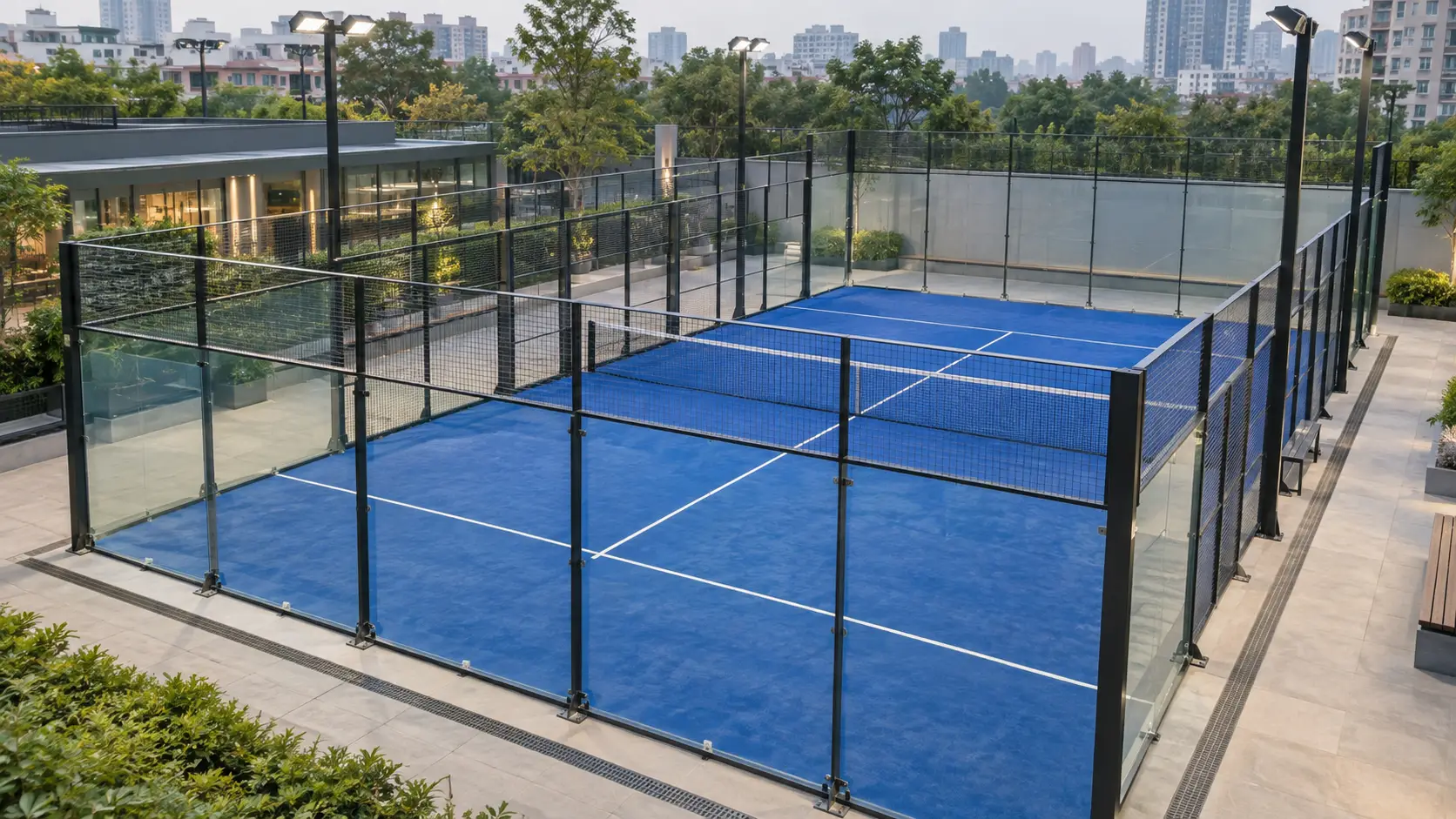
Playing on a properly enclosed court is essential because the glass rebounds and fencing are central to the sport. Players in Delhi can explore padel courts available through Rackonnect.
You can also discover REPPP by Rackonnect, a dedicated destination for padel, pickleball and other racket-sport experiences.
Before choosing a slot, review Rackonnect’s guide to padel court booking prices in Delhi and confirm the current venue price, duration and equipment policy.
Frequently Asked Questions
What is the most common mistake in beginner padel?
Overhitting is one of the most common mistakes. Beginners often use excessive power when a controlled shot, lob or ball directed towards the opponents’ feet would be more effective.
Should beginners let the ball hit the glass?
Yes, when the ball has first bounced on the court. Allowing a deep shot to rebound from the back glass can provide more time and a better position for the return.
Where should beginners stand in padel doubles?
Partners should generally move together. They may defend behind the service line or attack near the net, depending on the rally. Avoid leaving one player forward while the other stays deep.
How many matches does it take to understand padel?
Many beginners understand the basic rules after a few matches. Reading rebounds, choosing shots and moving effectively with a partner require continued practice.
Is padel easier for tennis players?
Tennis experience can help with coordination and racket control, but tennis players may need to shorten their swings, reduce power and learn to use the glass walls.
Make Fewer Mistakes, Not More Complicated Shots
Your first five padel matches should be about understanding the court, keeping rallies alive and learning to move with your partner. Do not judge progress only by how many points you win.
Control the ball, respect the glass, communicate early and recover after every shot. Once these habits become natural, attacking opportunities become easier to recognise and far more satisfying to finish.
Ready to put these lessons into practice? Find padel courts in Delhi or plan your next game at REPPP.